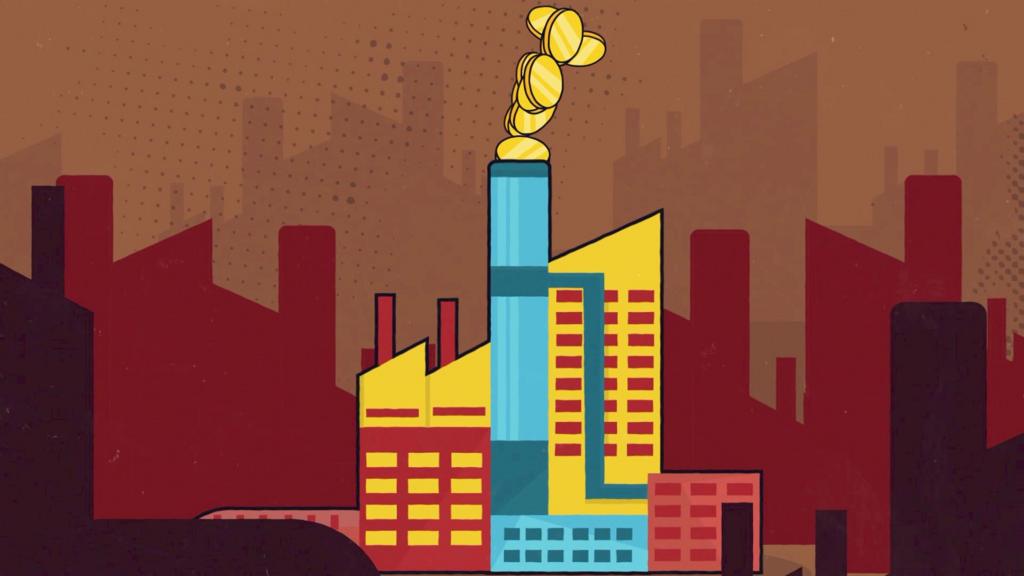
Capitalism, often portrayed through its relentless pursuit of profit and market dominance, harbors within its complex framework a crucible for innovation. The very mechanics of competition and the promise of financial reward have catalyzed breakthroughs which might otherwise have remained dormant in more rigid economic systems. This exploration delves into three groundbreaking innovations that owe their very existence to the distinctive impulses and incentives forged by capitalism. Far from mere inventions, these advancements represent shifts in human capability and societal structure, each promising a radical reimagining of what we deem possible.
The Automobile: Revolutionizing Mobility Through Market Competition
The automobile is more than just a mode of transport; it is a transformative engine that redefined society’s relationship with distance, time, and opportunity. While the concept of self-propelled vehicles predates capitalism’s modern form, the automobile’s explosive development and mass adoption are inextricably linked to the forces of capitalist enterprise. The early inventors and entrepreneurs, vying to capture an untapped market, intensified innovation through fierce competition. Henry Ford’s introduction of the assembly line was a masterstroke not only in manufacturing efficiency but in realizing capitalism’s potential for scaling innovation rapidly.
This innovation transcended the mechanical. Capitalism spurred relentless improvements in design, engineering, and infrastructure, transforming cars from luxury items into essential commodities. The competition fostered by a capitalist marketplace pressured manufacturers to innovate continuously—be it safety features, fuel efficiency, or affordability—propelling the automobile into a ubiquitous element of modern life. This persistent drive to outpace rivals birthed the modern transportation ecosystem, setting in motion urban sprawl, global trade, and cultural shifts that would be unimaginable without capitalism’s unique incentives.
Personal Computing: Empowering the Individual in the Marketplace of Ideas
In the realm of technology, the advent of personal computing symbolizes a profound pivot catalyzed by capitalism’s demand for personalized utility and ease of access. The concept of computers was long confined to large corporations and academic institutions until the capitalist drive recognized the latent market yearning for individualized technology. Innovators in Silicon Valley, fueled by venture capitalism and entrepreneurial zeal, transformed bulky, inaccessible machines into sleek, personal devices that democratized information processing.
Capitalism’s framework created a fertile ground for unprecedented experimentation and risk-taking among startups eager to challenge the status quo dominated by titans in technology. The vibrant competition led to rapid iterations in hardware miniaturization, software usability, and cost reduction. More than that, it generated an ecosystem where proprietary innovation paralleled open-source collaboration, sparked by the promise of lucrative market shares and brand prestige. The personal computer’s evolution catalyzed a societal metamorphosis—from passive consumers to empowered creators—pioneering a digital economy that continues to reshape cultural and economic landscapes.
Pharmaceutical Advancements: The Race to Cure and Capitalize
Pharmaceutical innovation provides one of the most compelling narratives illustrating capitalism’s unparalleled influence over scientific progress. The intricate—and often controversial—relationship between profit motives and public health has spurred a relentless pursuit of groundbreaking medicines and vaccines. The competitive marketplace incentivizes pharmaceutical companies to invest monumental resources into research and development, hoping to unlock patents that promise not only cures but immense financial returns.
This capitalist impetus has accelerated the discovery and distribution of life-saving drugs, transforming once-fatal illnesses into manageable conditions. The race to develop vaccines for emerging diseases exemplifies how capitalism thrives on the promise of exclusivity and market control, compelling companies to pioneer technologies such as mRNA vaccines unprecedented in their speed and efficacy. Beyond mere products, capitalism fosters extensive ecosystems of innovation—collaborations among private companies, academic institutions, and regulatory bodies—that collectively propel medical science forward. This synergy, while complex and sometimes contentious, has proven essential in addressing global health crises in a manner that centralized planning could seldom replicate.
Each of these innovations—automobiles, personal computing, and pharmaceutical advancements—serves as a testament to capitalism’s paradoxical nature. It is a system at once criticized for its inequities and lauded for its unparalleled ability to forge new horizons. By harnessing competition, incentivizing risk, and rewarding ingenuity, capitalism becomes not merely an economic model but a catalyst for human progress, continuously reshaping our world with promises of what lies just beyond the next breakthrough.


