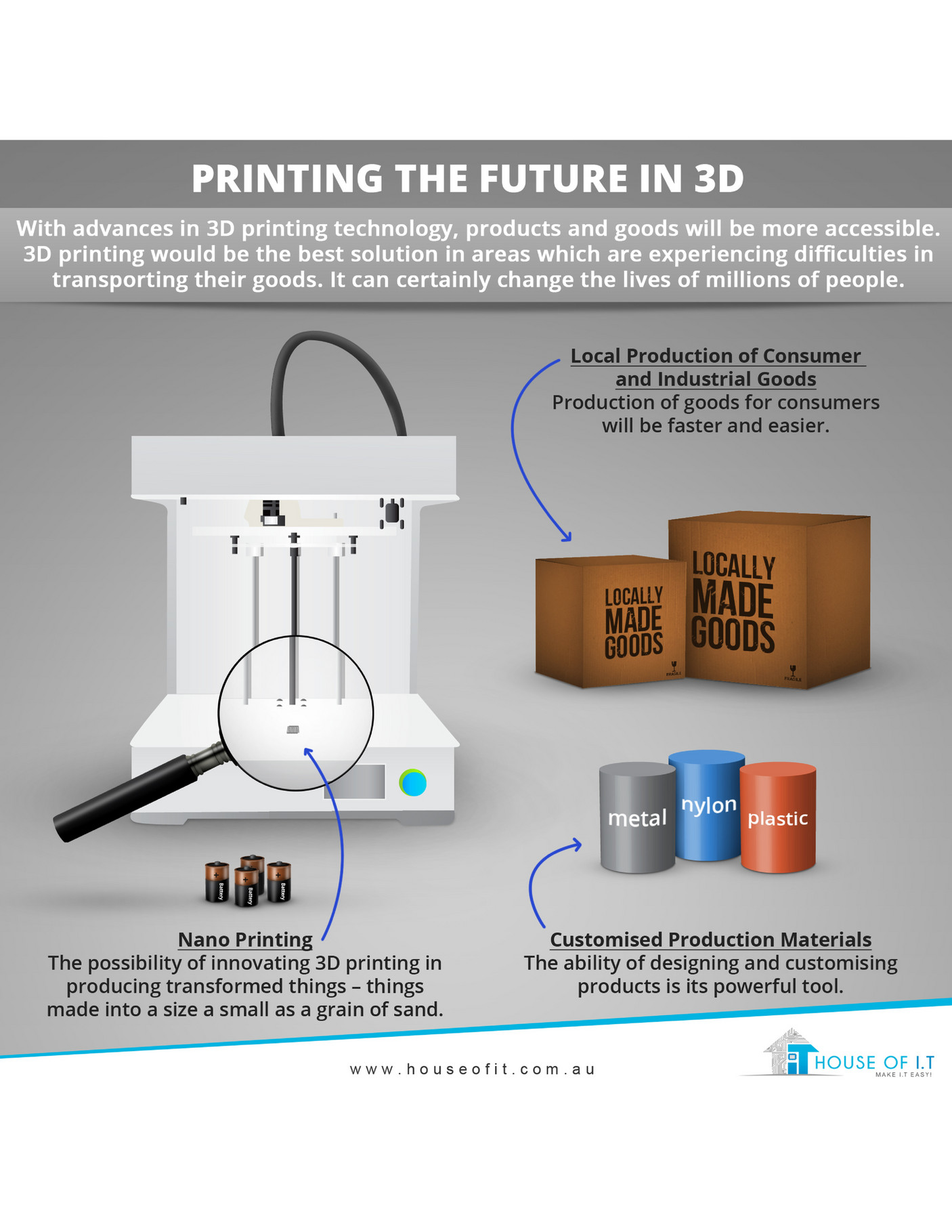
The quiet hum of a small device, extruding material layer by layer, marks more than just a technological curiosity. It represents a potential paradigm shift in how we produce goods and, perhaps, how capitalism itself functions. The emergence of sophisticated 3D printing isn’t merely incremental improvement; it’s a force capable of reconfiguring the very gears of production. As we stand on the cusp of widespread adoption, we must ponder: How does such disruption reshape the foundations of a system built on scarcity, standardization, and specialized labor? This exploration delves into the complexities of 3D printing’s transformative power on capitalist production.
Dissecting the Disruption: Beyond Simple Additive Manufacturing
At its core, 3D printing, or additive manufacturing (AM), constructs objects from digital models by adding material layer upon layer. Yet, dismissing it as a simple “printing” analog overlooks its revolutionary potential. Its capabilities extend beyond producing replicas; advanced systems can create geometrically complex structures, incorporate multiple materials, and achieve finishes previously impossible through traditional methods. This intrinsic potential for intricate, tailored fabrication is reshaping design freedom and production possibilities. It’s not just replication; it’s enabled innovation in physical form and function that was once deemed too complex or costly.
The Fabrication Fallacy: Materializing More Than Just Geometry
The term “fabrication” often overshadows the unique material science involved. While additive processes exist, advanced AM techniques, particularly directed energy deposition or binder jetting, fundamentally change material behavior. They process raw materials (powders, filaments) into functional objects through localized energy application, achieving properties difficult to attain via subtractive methods or even traditional casting. This material transformation carries implications for durability, weight, and functionality – considerations that ripple through manufacturing, logistics, and product design under capitalism. It redefines what “strong,” “light,” or “durable” can mean in economic terms.
Resource Reverie? The Promise of De-materialization and Localized Production
The most frequently cited advantage of distributed manufacturing – the capability to produce items locally using digital files and relatively simple machines – holds great appeal for resource distribution. Theoretically, this model drastically reduces the need to move raw materials or finished goods over vast distances. This “de-materialization” of logistics promises to lower transportation costs, decrease associated fuel consumption, and potentially mitigate supply chain vulnerabilities exposed during global crises. However, a playful challenge emerges: in a truly interconnected digital world, the cost advantage of “near-shoring,” or localized production, might paradoxically evaporate. If digital files are universally accessible, the fundamental economic value is shifted from physical proximity to the machine and the skill involved in its operation. Shipping 3D-printed goods from a low-cost regional hub could still outcompete local printing if network effects make access cheaper than distributed production.
The Labor Labyrinth: Redefining Work and Heterogeneity
Capitalism has long thrived on specialized, standardized labor lines. Historically, even assembly lines brought efficiency through repetition. 3D printing appears paradoxical: it automates fabrication, potentially reducing the need for direct, manual fabrication labor. Yet, the complexity of modern AM systems demands skilled oversight – expertise in designing for AM, calibration, quality control, material science, and maintenance. Moreover, the sheer “customized heterogeneity” enabled might necessitate even more specialized and skilled labor to manage the increase in unique production runs, even at localized facilities. This scenario doesn’t eliminate labor entirely, but recontextualizes it, demanding a highly skilled workforce capable of navigating new complexities, possibly creating a demand for a different, yet specialized tier of labor.
Capitalism’s Cracks: Inverting the Production Pipeline
The traditional capitalist model relies heavily on economies of scale and linear production pipelines. Global supply chains are a direct attempt to maximize efficiency by separating design, raw material processing, assembly, and distribution geographically. This hierarchical structure ensures control and leverage through physical logistics and capital investment. 3D printing’s potential for “dematerialized” production directly challenges this. Why invest billions in overseas factories and intricate logistics networks vulnerable to disruption if almost anyone can print a needed item locally or even on-demand? The asset base shifts from owning factories globally to owning the network and the capability to deliver complex software for printing anywhere. This inversion demands new investment logic and potentially fosters a more distributed form of industrial power based on informational control.
Weaving Ethics: Sustainability, Exclusivity, and the Human Touch
Capitalism operates not just economically, but ethically within a complex framework. The environmental argument for localized AM – reduced transport emissions – is compelling. Simultaneously, intellectual property becomes a critical battleground. Can creators control the replication of their designs through relatively democratized AM technology? Navigating this requires sophisticated digital rights management applied specifically to additive manufacturing files, presenting a potential challenge to creators and designers. Beyond economics and environment, the human element remains. If materialization becomes trivial and standardized production obsolete, where does the intrinsic value placed on craftsmanship and artisanal skill lie in a purely functional, efficient system? This forces society to confront whether value will solely be derived from utility or from a more nuanced combination of experience, emotion, and history.
The Future Forged: Potential and Perturbations
Three-dimensional fabrication represents more than just another manufacturing technique; it embodies a fundamental rethinking of production. Its impact on the existing capitalist framework is likely to be as profound as other major technological shifts. We are not merely automating work; we are questioning linear production pipelines, the very nature of resources (physical vs. digital), the foundation of labor value, and the distribution of goods. The path forward won’t be seamless, presenting challenges from standardization difficulties to the recalibration of global trade dynamics and the very definition of an economic asset. Yet, the potential benefits – in terms of responsiveness, customization, resource efficiency, and localized empowerment – suggest a future where the familiar models of production may need significant recalibration.

