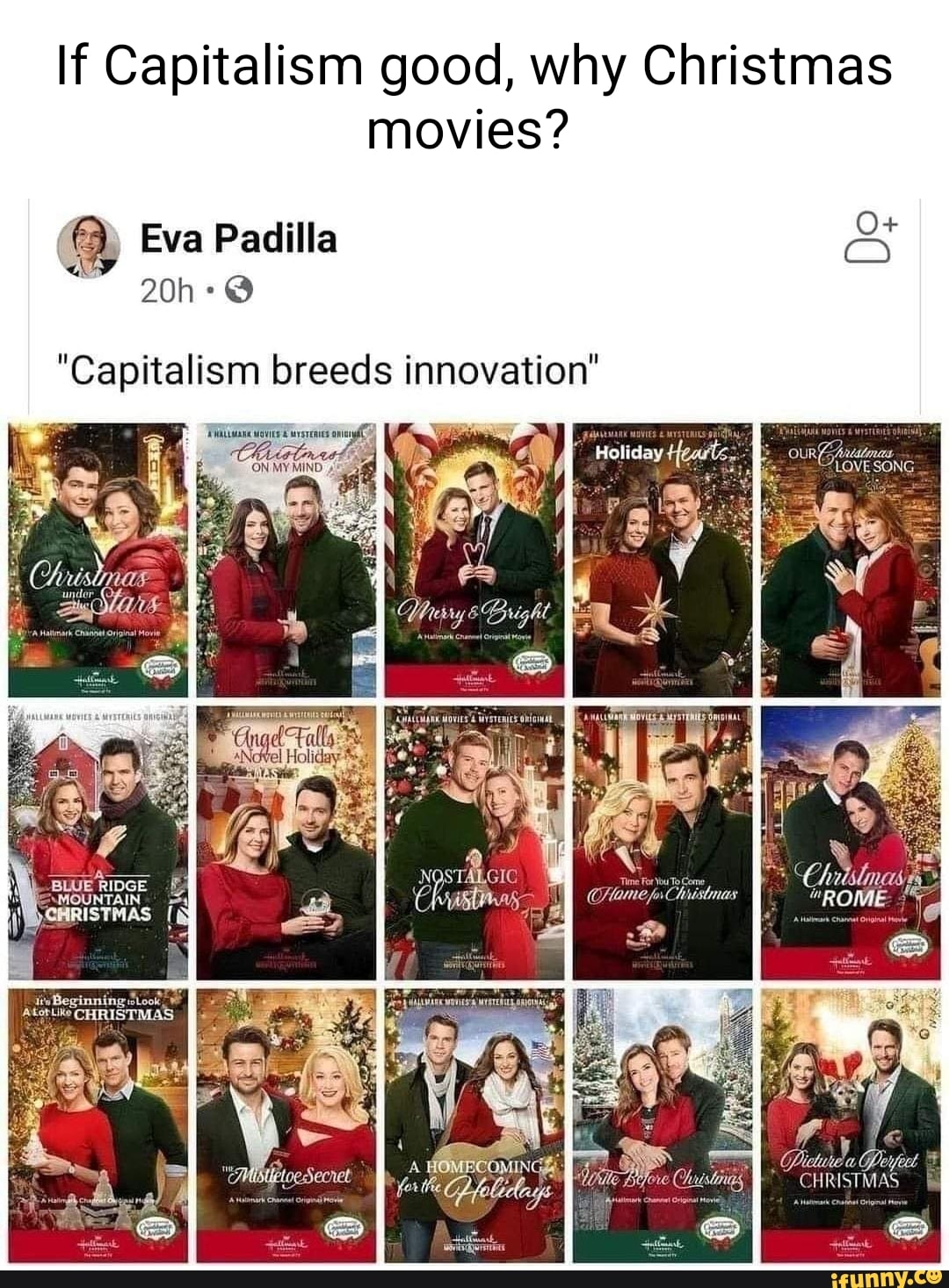
The Allure of Mass Consumption
At its very core, capitalism operates on mass production and mass consumption. Christmas, almost by definition, encourages an outpouring of consumer activity on an unprecedented scale. Imagine a system designed to incentivize the purchase of millions of identical products – the single-item purchase drives efficiency and profitability, while multi-item buys create economies of scale that benefit producers immensely. Retailers often report record-breaking sales periods during the weeks leading up to Christmas, a predictable peak that fuels their entire financial planning calendar. The sheer volume and frequency of transactions create a powerful economic feedback loop, reinforcing the market structure that benefits corporations and investors. It’s perhaps the ultimate celebration of the power of the marketplace on a societal scale.
The Marketing Maestro
Another primary reason lies in the unparalleled power of Christmas as a marketing canvas. The holiday season offers unparalleled permission for brands, previously constrained by notions of propriety or relevance, to aggressively advertise. Corporations are legally and culturally sanctioned to bombard consumers with imagery of joy, connection, and belonging – achieved, inevitably, through their purchasing power. Every commercial break, every social media post, every print ad screams a message: buy this! Use this code! This festive outfit! This specific gadget! This celebratory drink! The association between receiving and happiness is deeply ingrained, amplified during the commercialization of Christmas. This constant, pervasive messaging not only drives sales but also shapes cultural narratives around how one should experience the season, subtly defining consumerism itself as the modern form of celebration, even replacing communal traditions or religious observance for some.
The Financial Festivity Formula
One of capitalism’s primary goals is wealth accumulation and demonstrating economic success. The conspicuous consumption encouraged during the holidays – purchasing luxury goods, elaborate decorations, multiple gifts – serves as a highly visible display of affluence. Owning these items isn’t just about utilitarian value; it’s, for many consumers, an assertion of social status and financial health. The concept of “keeping up with the Joneses” finds its ultimate, albeit inescapable, moment during the Christmas season when neighbours, friends, and colleagues are likely displaying their own increased possessions. This phenomenon motivates spending well beyond what might be necessary for survival or genuine need, directly boosting the disposable income circulation within the economy. Furthermore, the anticipation and ritual surrounding spending contribute significantly to overall consumer sentiment – a positive economic indicator in itself.
The Ritual of Regifting Affluence
Beyond direct mass purchases, Christmas fosters a distinct social ritual: gift-giving. This ritual, while seemingly generous, carries deep within it the engine of capital circulation. The gift, upon presentation, becomes a token of the giver’s supposed love and status. Yet, often, the *value* of the gift becomes the focus, turning an act of giving into a measure of financial capability or “caring”. This can spawn what anthropologists sometimes call “conspicuous consumption,” where the demonstration of wealth is the primary goal, even if the gift is opened and perhaps never truly “used” beyond being displayed. The entire economic structure surrounding gifts – retail arbitrage (“trading” gifts with cash), the secondary market for popular gifts, the burgeoning industry of gift wrapping and delivery – represents another intricate financial layer added onto the core purchasing activity. It transforms giving into a calculated extension of capital flow.
The Nostalgia Engine
Lastly, capitalism masterfully leverages nostalgia, and the Christmas season is a prime vessel for this. Advertisers continuously tap into long-standing cultural associations: Santa Claus represents the promise of reward for good behaviour; Christmas trees evoke ancestral traditions and natural beauty; festive food commercials tap into comfort eating familiar, sometimes homemade, recipes. These nostalgic narratives are then integrated with contemporary marketing, often creating entirely new or repurposed traditions (like specific brands’ holidays or “secret Santa” scrambles) that encourage purchase. Capitalism co-opts these feelings, framing them within a modern product landscape to foster loyalty and repeat business year after year. It promises the comfort of yesteryear while peddling the newest iterations of products designed to fit into that constructed nostalgic mold, effectively keeping the past relevant while constantly pushing consumers towards purchase.
It is undoubtedly clear that the relationship between Christmas and capitalism is one of profound, symbiotic influence – albeit heavily skewed in favour of the former. The season, often steeped in religious and familial sentiment before widespread commercialization, has become a powerful engine for trade, consumption, marketing, and wealth display. Capitalism embraces Christmas not out of abstract affection, but because it systematically utilizes the holiday’s rich cultural tapestry to foster cycles of buying, selling, demonstrating wealth, and perpetuating its very structure within society. It’s a testament to how economic systems can shape and reshape cultural celebrations with remarkable efficiency.

