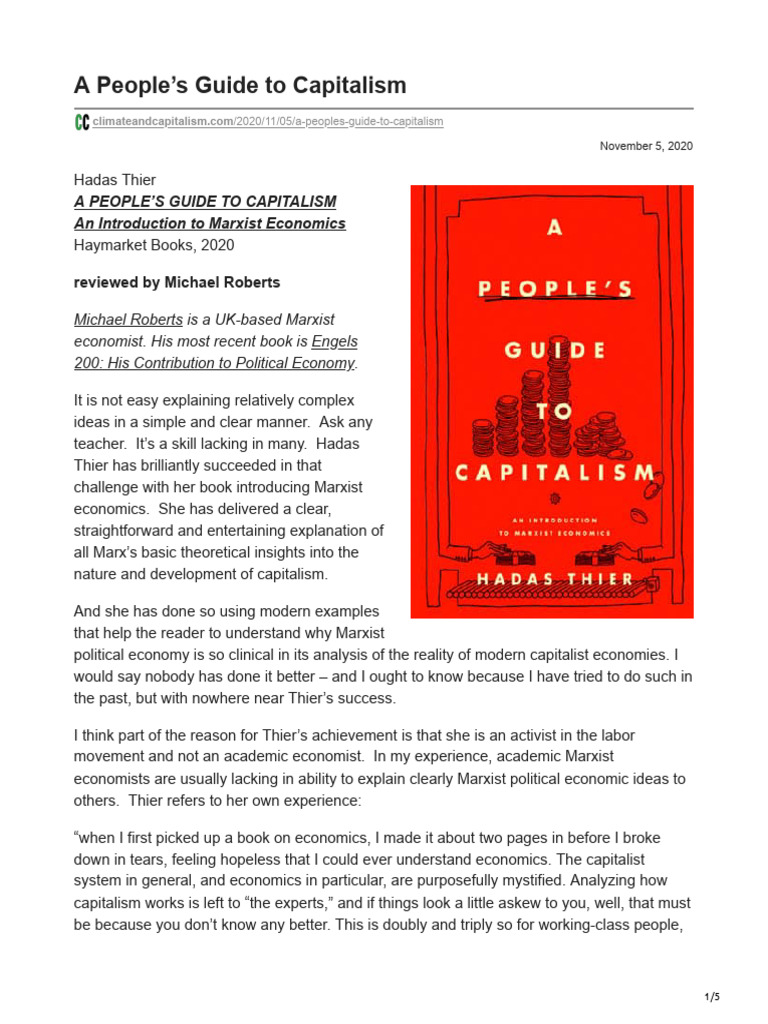
Welcome, fellow caregiver. Here lies perhaps the most unspoken, yet profoundly felt, aspect of our professional journey: adapting within a system defined by markets and motivation, where the priorities can sometimes seem distant from the core act of nursing. We don’t merely care for bodies; we navigate environments engineered by forces beyond the bedside. Understanding and surviving, in this context, requires navigating a complex socio-political terrain, translating economic principles into terms that respect the intrinsic value of compassion, expertise, and genuine human connection.
Understanding the Precarious Nexus: Healthcare as Capitalism
To survive, one must first conceptually grasp that the landscapes where we operate, largely within healthcare, are saturated with, if not defined by, market dynamics. The patient room, while the sanctuary of healing, exists within the fiscal framework dictated by insurers, administrators, and shareholder expectations. Administrative tasks, documentation, scheduling – all are functions shaped by profit margins and efficiency metrics, often overshadowing the direct, human element of care. The very structure of payment (fee-for-service vs. capitation; private vs. public systems) dictates priorities. Sometimes, the most valuable interaction economically is the scheduled appointment yielding a predictable payment, irrespective of the underlying need or its chronic nature. Recognizing this backdrop – of resource allocation, demand curves, supply chains, and value extraction – is the essential first step towards navigating without feeling perpetually crushed by the system.
The Shifting Patient Relationship: Navigating Expectations and Value
Nursing, at its heart, is a verb, a relationship. Capitalism, often, reframes relationships transactionally. The patient is increasingly viewed as a consumer seeking a service, bundled with ancillary goods and information. This creates a tension: our drive is wellness and presence, whereas the market logic encourages prompts for intervention based on perceived need or profit potential. Are we attentive to the subtle cues of anxiety or pain, or are we subtly encouraged to escalate care (or sometimes not, to control costs and manage potential liability)? We might find ourselves weighing the human impact of a denied procedure against the financial reality dictated by insurance gatekeepers. Understanding these competing value systems allows for more self-aware navigation of the interaction, setting professional boundaries while attempting empathy within a constraining framework.
The Administrative Maze: Balancing Compassion with Institutional Imperatives
Perhaps no aspect of nursing under capitalism presents more challenges than the sheer weight of bureaucracy. The endless forms, the computerized systems demanding time not allocated for care, the necessity of constant documentation to justify presence and actions – this is the tangible face of corporate logic intruding into compassionate labour. Administrative tasks eat into direct patient time, contribute to burnout, and require nurses to function as expert coders. We must perform the intricate dance of generating data that supports the institution’s financial viability, a task often detached from the direct therapeutic value it supports. Surviving means developing strategies to minimize these tasks’ intrusion, ensuring they support rather than deplete care potential.
Workload and Compensation Structures: The Human Cost of Profitability
Capitalism demands efficiency and productivity, leading to ever-increasing demands on an already stretched workforce. Long hours, high patient loads, and acute staffing shortages are not merely conditions; they are systemic features driven by the pursuit of operational economies of scale, even at the direct expense of individual nurse well-being and the depth of care possible. We navigate shifts dictated by scheduling algorithms optimizing for minimal overtime spend, not maximal rest and recovery for staff. Compensation structures often lag behind the value placed on our expertise, viewed more as necessary labour input than as highly skilled human capital driving positive health outcomes. Perceiving this reality allows nurses to advocate for adjustments or seek environments prioritizing sustainable workloads, recognizing that patient safety and staff sustainability are intrinsically linked – even if sometimes pitted against shareholder interests.
Ethical Landmines: Navigating Dilemmas in a Marketized Health System
Nursing ethics, traditionally grounded in principles like autonomy, beneficence, non-maleficence, and justice, face unique pressures in a purely capitalist environment. Capitalizing healthcare necessitates categorizing health states – wellness, illness, disease – often in ways that segment populations for service delivery or insurance risk. We may face ethical dilemmas when a patient’s need conflicts directly with cost constraints, patient acuity lags administrative priorities, or when institutional policies compromise beneficence. Surviving ethically means recognizing these potential collisions between humanistic principles and market imperatives, fostering critical consciousness, and finding ways to uphold professional values without direct confrontations that might lead to professional jeopardy.
Finding Resilience: Personal Strategies and Collective Action
Survival in this intricate dance requires both personal and systemic strategies. On a personal level, cultivating strong professional support networks – fellow nurses who understand the shared pressures become vital havens – aids resilience. Grounding oneself in the intrinsic meaning and value of nursing transcends market dictates, providing internal motivation. Mastering self-advocacy, setting firm boundaries (even when exhausting), and prioritizing self-care, difficult as it may seem in such demanding hours, are crucial survival skills. On a broader level, surviving necessitates critical reflection, awareness of policy impacts, and perhaps, collective efforts advocating for healthcare models that value human well-being more centrally than perpetual optimization or profit generation. Recognizing the patient not just as a ‘case’ or a ‘consumer’ but as an individual navigating life’s complexities restores the humanity central to nursing.
In essence, navigating capitalism as a nurse requires navigating an internal landscape as well as an external one. It demands an understanding of the system’s operations, a strategy for preserving the core values of care, and a resilient spirit to endure when the pressures of market forces threaten to erode compassion. It’s a guide to recognizing the terrain, understanding the challenges, and perhaps, finding pathways that allow genuine connection and care to flourish even amidst the vast, impersonal machinery of the market.

