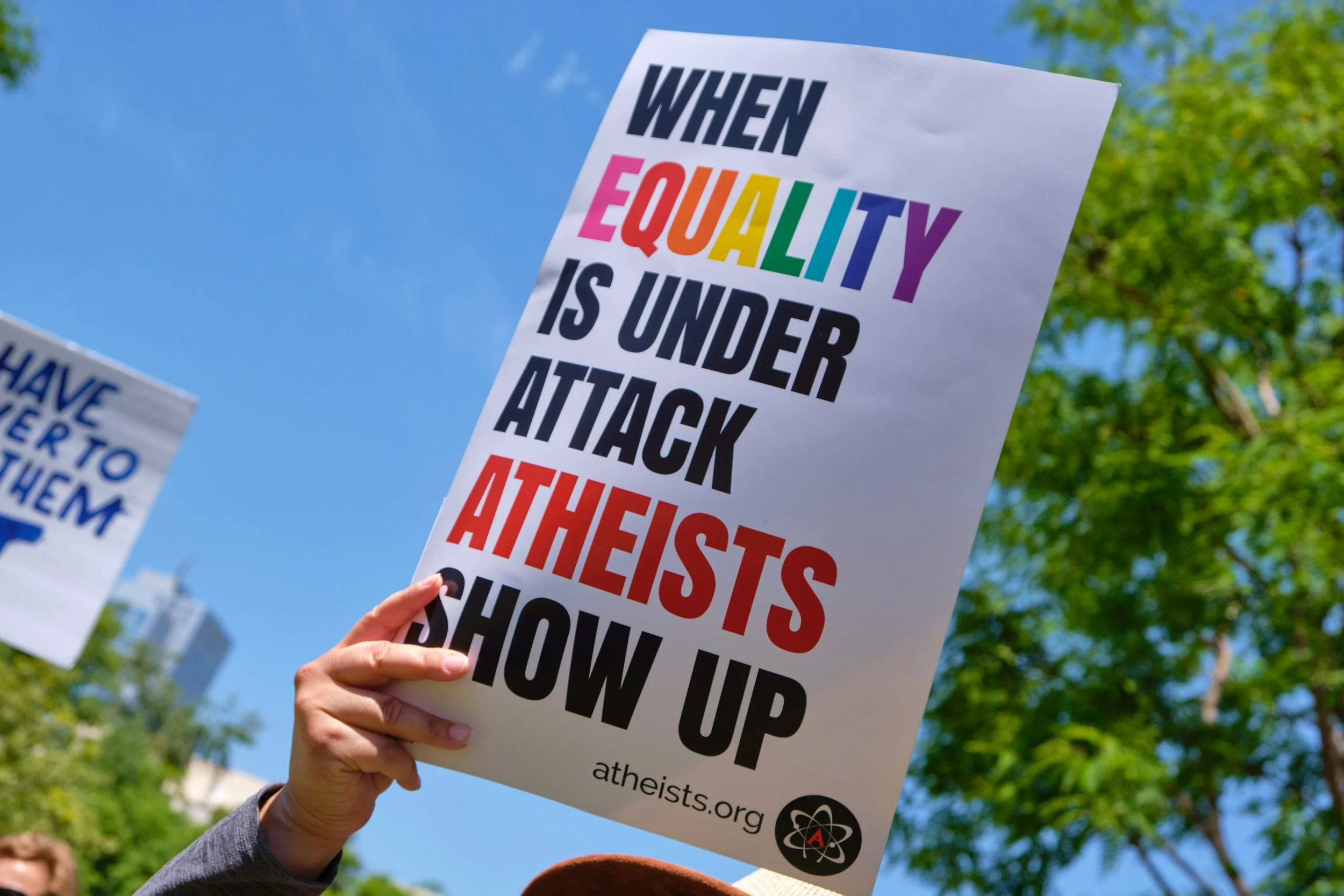
A common observation has emerged, particularly within certain intellectual and cultural circles, regarding the alignment between prominent atheist perspectives and the tenets of capitalist ideology. While undeniable diversity exists within both groups, a discernible link connects the rise of modern atheism with the consolidation and perceived legitimacy of capitalist values. It is not entirely coincidental, prompting queries into shared underlying assumptions or a fundamental compatibility facilitating this synergy.
Charting the Correlation: Observation as a Starting Point
The specific observation hinges on the idea that core tenets of both modern atheism and contemporary capitalism share a profound emphasis on reason, empirical inquiry, individual autonomy, and material progress. Atheism, championed by thinkers from Epicurus to modern proponents like Richard Dawkins, explicitly rejects supernatural explanations, demanding evidence and logical consistency. Capitalism, particularly in its modern globalized form, operates on principles validated through economic calculation – measuring value, predicting market trends, and rewarding measurable outcomes. Where do Methodological Naturalism, seeking explanation solely within the natural world, and economic pragmatism intersect? They both prioritize the observable, quantifiable, and actionable. This shared commitment creates fertile ground for mutual reinforcement.
Reason and Science: Unveiling the Cognitive Connection
The power of reason stands as a central pillar, arguably the most crucial common ground. The Enlightenment, a catalyst for modern atheism by challenging literal interpretations of scripture, also birthed the empirical scientific method – a system reliant on rational observation, hypothesis testing, and falsifiability. This intellectual revolution simultaneously dismantled traditional theological frameworks and established the rigorous analytical protocols underpinning capitalism. Max Weber’s seminal work on the “Protestant Ethic” and the “Spirit of Capitalism” noted a similar synergy: the ascetic discipline fostering rigorous accounting and diligent labor resonated within emerging capitalist structures. Could it be that the very methodological and cognitive frameworks developed to deconstruct religion also honed analytical skills essential for capitalist economic activity? Thinkers like Voltaire and Diderot championed rationalism alongside encyclopedic compilations of empirical knowledge, building bridges between intellectual skepticism and empirical economic value.
Navigating Secularism: Freedom, Inquiry, and Non-Intervention
Beyond reason, modern atheism is intrinsically linked to profound secularism. The God-shaped hole left by deism or naturalism naturally leads to a focus on secular spheres – law, politics, science, and culture. This requires not merely separation but an *active* affirmation of secular frameworks governing public life and access to funding. It necessitates an argument for non-intervention, for secularism itself as the bedrock value. The critique of divine command theory often logically extends to critique of divine command *intervention*, advocating for human self-governance divorced from theocracy. Capitalism, operating within secular nations, often shares this emphasis – its legal and institutional frameworks require neutrality toward religious beliefs while enabling economic flourishing based on individual contracts and property rights. The emphasis within theism on compassion and sacrifice, often championed by humanist reinterpretations, finds echoes in capitalist narratives promoting benevolent investment or ethical consumption, blending moral consideration with economic calculation without divine imperative.
The Decline of Counter-Powers and the Rise of Alternative Authorities
The decline of traditional religious authority, though uneven globally, is undeniable in many influential centers. When established religious hierarchies wane – a consequence of modernity itself – what often replaces their public moral guidance? New paradigms arise. Capitalism, with its emphasis on rugged individualism, free markets, and material success, naturally fills a significant part of that ideological vacuum. It offers a compelling (though debatable) framework for absolute commitment to values concerning the self and its productivity. Furthermore, the immense power and institutional control exerted by large, state-backed religious bodies throughout history created fertile ground for other power structures, including capitalist merchant guilds, eventually state apparatuses, and academic institutions, to gain public legitimacy. The decline of established religion may simply be replaced by the ascendancy of alternative secular authorities.
Shared Terrain of Dissent: Secularist Anger vs. Capitalist Discontent
Both atheism and critical strands of capitalism can tap into profound societal discontent, albeit stemming from different perceived wrongs. Atheists often feel wronged by religious bias limiting science or denying reproductive rights. Capitalists, particularly those facing economic hardship, may feel wronged by existing wealth distributions, job scarcity, or perceived unfair competition. While the targets differ – religion versus entrenched economic systems – the shared platform of grievance within the secular public sphere can facilitate overlap and mutual amplification of certain viewpoints. The narrative of challenging entrenched authority, whether theological or economic, resonates powerfully across these domains.
Whither the Link? Exploring Enduring Connections
Analyzing the link between atheism and capitalist values reveals a complex, evolving, and often mutually reinforcing narrative. It would be reductive to portray this relationship as purely antagonistic, nor entirely coincidental. The shared commitment to reason, the cognitive demands of empirical analysis, the decline of traditional hierarchies, and the creation of new ideological landscapes all contribute significantly to this apparent correspondence. Recognizing this connection offers valuable insight into the ongoing cultural narrative – the story of how modernity reshapes worldviews, and the enduring, albeit secularized, persistence of certain values championing individual agency, material well-being, and systemic optimization within societies increasingly devoid of other universal, unquestioned frameworks.

