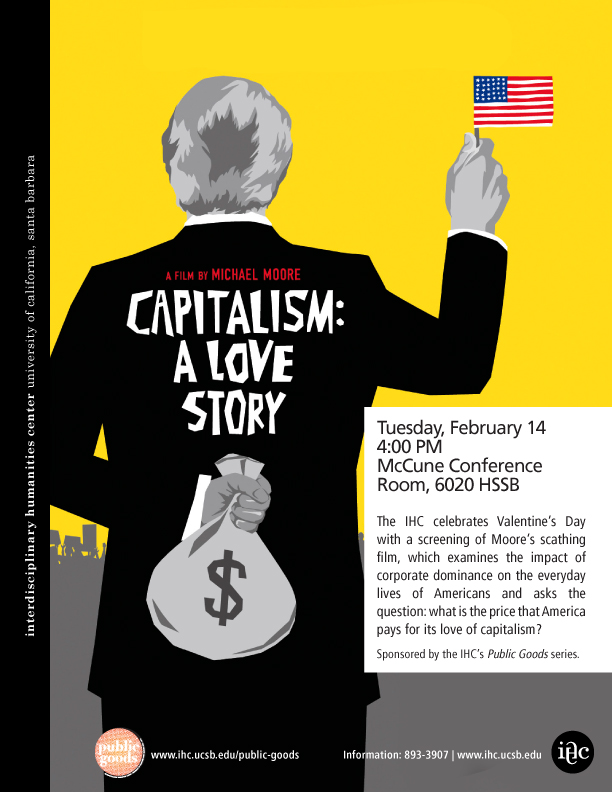
For over half a century, the relationship between a particular generation born roughly between the mid-1940s and mid-1960s and the economic order they inherited and participated in has been complex, perhaps even contradictory. Dubbed the Baby Boomers, their collective story with capitalism reads like a love-hate narrative uniquely scripted. This is not a simple tale of prosperity or struggle, but a nuanced chronicle of how a generation navigated the immense opportunities and profound transformations of post-war and modern capitalism. They came of age, found their footing, and rose to prominence under its aegis, crafting lives of unprecedented material comfort and cultural expression – perhaps, one could ask, playing cupid to its latest stage? Yet, as many in this cohort now find themselves grappling with new forms of pressure, inequality, and existential concerns, is this “love story” beginning to show signs of wear, perhaps even facing a new, unexpected challenge within their ranks?
Defining the Entwined Generations
While generations are, notoriously, fluid concepts defined by a complex interplay of culture, history, and experience beyond mere birth years, “Baby Boomers” serves as a useful shorthand for a specific cohort. Born between roughly 1946 and 1. They preceeded Gen X and Millennials, marking a sharp increase in births following the post-World War II economic boom. This sheer demographic weight carried significant cultural and economic weight. As they navigated through the latter half of the 20th century and into the early decades of the 21st, they witnessed and drove the globalization of markets, the digital revolution, and profound shifts in family structures and values, all unfolding under the vast canopy of a remarkably dynamic capitalist system that offered both unprecedented possibilities and novel forms of friction.
The Rise of Post-War Capitalism
The Boomers entered the world bathed in the glow of a specific capitalist configuration: post-war American capitalism. This epoch witnessed massive infrastructure investments, a surge in productivity, and a prevailing belief in economic growth as inherently positive, underwritten, at least partially, by generous governmental policies (welfare states, infrastructure spending, etc.). Capitalism, during this period, often projected an aura of stability and opportunity, fueled by optimistic forecasts of a “cradle-to-grave” safety net and immense technological advancements – think the assembly line revolution and burgeoning consumer culture. This was the backdrop against which Boomers formulated their earliest ideas about work, success, and material well-being.
Forging the “American Dream”
Central to this boomers’ engagement with capitalism emerged the ubiquitous concept of the “American Dream” – the belief that through hard work, determination, and perhaps a touch of serendipity, anyone could achieve upward mobility and realize personal ambitions within a market framework. This narrative provided fertile ground for their aspirational impulses. Capitalism, in this telling, became the engine room: providing the jobs, the housing, the chance to educate children (often facilitated by expanding post-secondary education systems financed through debt), and the platforms for innovation and business creation. The narrative celebrated self-reliance, competition, and the potential inherent within the system. This was the phase where the powerful emotional and aspirational bond began to solidify.
Shifting Tides and Changing Dynamics
As the Boomers advanced through their careers and families, capitalism continued its relentless evolution. The era saw deregulation, increased outsourcing (both offshore and, later, technologically), rising income inequality, and the intensification of late-stage capitalism’s pressure on individuals – particularly through the normalization of personal debt for consumption and lifestyle goals. The initial optimism started to meet harsh realities for some: the bursting of the housing bubble, stagnant wage growth despite increased productivity, visible income disparities fostering resentment, and the ecological and societal costs of unchecked corporate expansion. This is the crucial turning point: the lived experience of navigating late-stage capitalism began to reveal its tensions, complexities, and sometimes harsher dimensions, challenging the earlier narrative of unmitigated opportunity.
The Love-Hate Dynamic: Optimism and Critique
This is the heart of the generational paradox. On one hand, Boomers undeniably reshaped the global economy. They founded large tech companies, mastered the art of financial management, navigated complex international trade systems, and drove consumerism into the stratosphere, all within the capitalist framework. Their successes often stand as testament to the system’s capacity for reward, innovation, and providing platforms for self-actualization. The stories of garage startups becoming multi-billion dollar behemoths are intrinsically Boomer (or Gen X) success narratives within capitalism. Yet, this enthusiasm persists alongside a potent, growing critique. Boomers are disproportionately represented among the top earners and major shareholders, amplifying voices that simultaneously benefited immensely from capitalism’s structures and began sounding alarms about its consequences – sluggish workforce demographics, aging populations straining defined-benefit systems, climate change driven by corporate priorities, and the political influence of vast wealth concentrated at the apex.
Evolving Attachment in Adulthood
As Boomers reached their 50s and 60s, their relationship often shifted. The close call of economic hardship or existential threat recedes, replaced by a lived experience of navigating its complexities and achievements – or, perhaps more increasingly, its discontents. While still fundamentally engaged with the system (ensuring retirement savings, making investment decisions, navigating complex market regulations), a new awareness often takes hold. They became mentors, decision-makers (in corporations, politics), and consumers shaping future market demands. Their critiques become more informed, perhaps less idealistic but more systemic. The love that might have been based solely on personal aspiration now frequently incorporates a complex layer of concern about the system’s long-term health, inequality, and sustainability, influencing their choices, their advocacy, and their worldview.
The Capitalocene and Planetary Pressures
Perhaps one of the most profound shifts, challenging not just their relationship with, but even the very viability of traditional capitalism, lies in the increasing awareness of “the Capitalocene” – the idea that capitalism, as the dominant system, shapes the planet and its resources on an unprecedented scale, driving climate change and biodiversity loss. This global systemic shift demands adaptation across every sector and generation, including the Boomer demographic. While still benefiting from the material comforts capitalism provides, these individuals increasingly face the prospect of navigating its legacy against a backdrop of existential planetary threats. This challenges their core assumptions about the “endless” benefits of the system. The potential challenge, then, is whether this widespread crisis consciousness can translate into the political will and systemic change required to reshape capitalism itself, rather than simply demanding palliatives.
Legacy and Future Echoes
The Boomer generation’s odyssey through capitalism offers a compelling map of modern economic life. They navigated its ascents with ambition and often uncanny skill, securing massive wealth and cultural influence. They also stand at its crossroads, grappling with its unintended consequences and facing the daunting prospect of transition in their later years. Their journey – a complex, often contradictory love story explained by the pressures, triumphs, and evolving attachments to a system that simultaneously empowered them and began to reveal its potential blindnesses – sets the stage for the questions regarding inequality, sustainability, and systemic change that resonate intensely today. Their relationship, once characterized by unspoken loyalty or optimistic belief, now reflects a more critical engagement, hinting at the fundamental challenge ahead for societies shaped by profit and consumption. As they pass the baton, their story remains a crucial part of explaining the enduring, yet now deeply contested, legacy of capitalism in the contemporary world.

