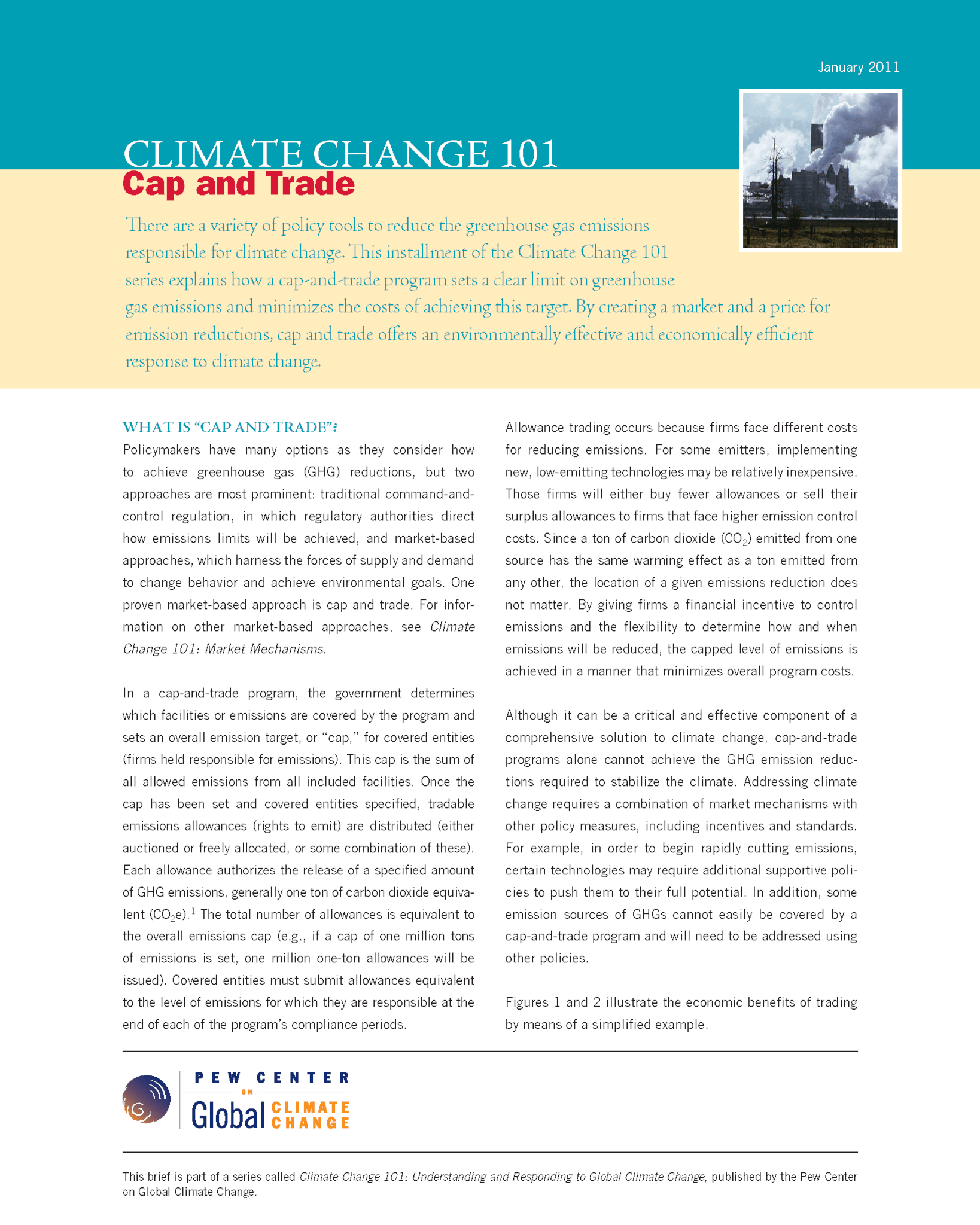
At its core, a cap-and-trade system offers a startlingly elegant metaphor: imagine supply and demand, the twin engines of capitalist enterprise, finally being applied with precision to the planet’s most critical resource. Climate change represents a market failure of unprecedented scale, where externalized costs—decades of carbon dioxide accumulating in the atmosphere—now threaten to destabilize the very systems that capitalism thrives on. Cap and trade proposes: let’s turn this failure into a feature, using the language of prices and competition to reframe the crisis.
The Intertwining Invisible Hand
Proponents see cap and trade as a manifestation of Adam Smith’s invisible hand, transposed onto the environment. Instead of government decree dictating every emission point, a central cap sets a limit, creating a scarcity that sends price signals throughout the economy. Companies, driven by profit motives and facing this market reality, must decide: innovate to reduce pollution affordably or purchase credits on the open market. The “hand” here isn’t unseen, but a carefully calibrated price signal, a feedback loop designed by policy to incentivize change. It harnesses the inherent dynamism of markets, turning the relentless pursuit of efficiency towards environmental preservation.
Balancing Certainty and Flexibility
The cap is the cornerstone, providing an essential element of certainty long absent in environmental policy. It guarantees *at minimum* the targeted reduction, a concrete assurance that simply hoping for the best won’t suffice. This certainty fosters investment certainty. Companies know that beyond a certain point, abatement becomes prohibitively expensive without credits, steering resources towards genuine green technological development. Yet, the flexibility inherent in the trade aspect—allowing entities that exceed their limits to buy permits from those who are more efficient elsewhere—cannot be understated. It prevents a blunt application of mandates and encourages the most cost-effective solutions. An ironworks might be less expensive to capture emissions than a tech startup; each can pursue its path, meeting the common goal through different efficiencies.
Price: The Unavoidable Arbitrator
The dynamic price of emissions allowances—the “carbon price”—is arguably the most powerful tool in the system. This price emerges directly from the cap and the real-time supply and demand for permits. Its fluctuation becomes an immediate, tangible reflection of the state of the market, signaling the relative scarcity of clean air and the cost of pollution. For industries heavily exposed to this price, it fundamentally alters financial calculations. When allowance prices spike, they signal that either production must scale down, energy sources must change, or abatement technology must be invested in. This internalizes the external cost, forcing market participants to grapple with the true expense of their operations, fostering innovation not just as a requirement, but as a pathway to enhanced financial performance.
Dual Drivers: Innovation and the Clean Economy
Cap and trade acts as a powerful catalyst for a dual revolution: technological innovation and economic reorientation. The price floor created by the cap ensures that all efforts necessary to stay below the cap must eventually be addressed. This immense pressure compels research and development into cleaner alternatives. R&D budgets, driven by the potential cost of carbon, become instruments of change. Furthermore, the guaranteed demand from polluters for clean technology acts as an industrial-strength megaisland for these technologies, accelerating their maturation and deployment far faster than abstract mandates alone might achieve. Simultaneously, the system can help build the financial case for decarbonization by making polluting activities less attractive than low-carbon ones, thereby fostering the growth of a low-carbon economy.
The Auction Imperative: Finance & Fiscal Policy
While allocation methods vary—some nations give allowances away, often auctioning to favored sectors—a growing consensus emphasizes the benefits of auctions, particularly “reverse auctions” tied to specific, transparent environmental objectives. Auctioning provides the Treasury with revenue, preventing a windfall to industries (or speculators) who might hoard allowances without driving abatement. This revenue can be strategically deployed, potentially offsetting compliance costs for heavy polluters, funding green R&D, or returning to general government spending, effectively incorporating climate policy into broader fiscal management. It turns a potential windfall into an instrument of national climate ambition.
Weighing the Balance: Effectiveness vs. Equity
Ultimately, cap and trade exists within a tightrope of effectiveness and equity trade-offs. The certainty of the cap assures an emission reduction, but the specific shape of the reduction curve is influenced by the dynamics of the market. Will the price rise gradually and slowly, or spike dramatically? The trajectory matters. Moreover, while the primary goal is environmental progress, the economic impacts—industrial shifts, competitiveness pressures—are profound and varied, potentially disproportionately affecting certain sectors or communities. Designing a system that rigorously reduces emissions while mitigating negative economic externalities is complex. However, its structured approach offers a pathway towards emissions reductions that is simultaneously transparent and predictable, providing a framework to measure progress and adjust course, unlike the often-fuzzy landscape of voluntary efforts or less targeted subsidies.


