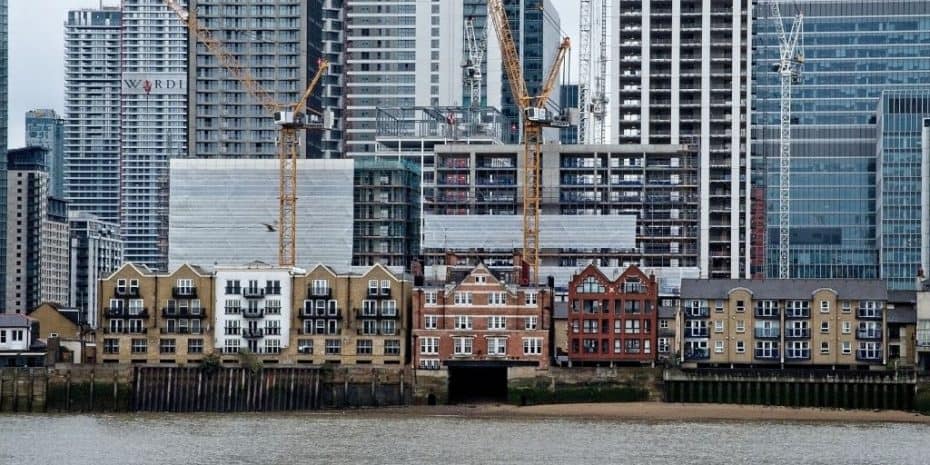
Let’s dance with danger, shall we? Not literal dancing, naturally, but playing with the provocative idea of Capitalism – that insatiable engine of wealth creation and consumption – driving the complex, often unsettling process of Gentrification. Is it possible that the relentless pursuit of profit, the need for capital accumulation, the desire for aesthetic appeal, and the quest for safety aren’t just pulling our cities apart? Let’s examine how this economic metamorphosis unfolds in five distinct, albeit overlapping, steps, transforming neighborhoods and social landscapes.
The Gluttonous Demand for Capital: Where Profit Meets Property
At the very heart of gentrification lies capitalism’s fundamental imperative: capital concentration. Property, in its tangible form (buildings, land) and intangible form (ideas for development, brand value), is ripe for investment and speculation. This isn’t mere saving for a rainy day; it’s a quest for portfolio expansion and wealth appreciation. In neighborhoods perceived as undervalued or blighted (or merely possessing unique cultural and aesthetic qualities), investors and developers perceive potential. They see land that can be rezoned, buildings that can be renovated, spaces that can be reimagined. The influx of capital isn’t accidental – it’s a calculated move, responding to the inherent logic of capital seeking yield. Old buildings become symbols of new investment opportunities, paving the way for displacement as capital concentration intensifies. Entire city landscapes are reshaped by the insatiable, algorithmic need for profitable use of space, a dynamic that operates simultaneously across the globe. Gentrification as a Systemic Economic Process, Not Just Development
One of the subtleties in understanding gentrification through a capitalist lens is realizing it’s not just about new construction projects or trendy storefronts. It’s a systemic response by capital to find conditions conducive to accumulation – safety, amenity access, affordability, and above all, equity in value capture (from increased demand and property value). Think beyond gentrified neighborhoods often highlighted in media – they are symptoms of a broader process. Across urban economies, capital strategically allocates resources. It enters areas identified as ripe candidates for enhancement – those holding cultural assets (artistic communities), offering lifestyle potential (walkable areas near parks), or lacking sufficient competition (or undergoing decay in the eyes of traditional investors). This process extends beyond mere physical transformation; it involves shifting demographics seeking amenities that align with capital’s goals for safety and desirability, creating a virtuous cycle that reinforces itself and signals further investment potential. It’s a calculated expansion of the market, searching for zones of profitable human habitation. The Invisible Hand of Displacement: Economic Violence Unseen?
This relentless pursuit of profit has a profound, and often devastating, human cost: displacement. Long-term residents, often facing cumulative disadvantages – lower income, limited generational wealth, inadequate social support, discrimination – find themselves priced out of the very places that have witnessed their lives and histories. Rent hikes can’t just keep pace with inflation or rising incomes but accelerate dramatically with new investment. Property taxes soar due to a land-value based system, funded by the ‘success’ of gentrification. The increasing cost of living, coupled with stagnant wages (or wage stagnation) for lower-income groups, makes staying untenable. Yet, capitalism offers few mechanisms to protect these families from this economic violence. The narrative often shifts towards “successful neighborhood revitalization” or “economic progress,” normalizing the erasure of established communities. This systematic displacement transforms human lives – fracturing social networks and severing connections to place – and simultaneously, upon the departure of these residents, the land and resources become even more purely ‘available’ for maximum profit extraction by new capital players. Reshaping the Canvas: Capital’s Spatial Reorganization
Beyond just the people displaced, capital actively reshapes the physical, social, and even aesthetic landscapes of neighborhoods. This is less about organic human change and more about a deliberate, albeit complex, spatial transformation. Infrastructure, both visible (sidewalks, transit) and invisible (fiber optics, better water systems, improved waste management), is improved or built anew to serve the new market. The aesthetic – the look and feel – is meticulously curated. Old buildings get renovated to meet new standards, often reflecting a different style or historical interpretation than their original context. Iconic spots are selectively “preserved” or redeveloped, branding plays a crucial role in defining the neighborhood’s market image (safety, culture, proximity to amenities). This reorganization serves the dual purpose of providing services and amenities the market demand requires while also creating tangible assets with increased economic potential for the investors. The neighborhood becomes a curated product, maximizing appeal and therefore profit potential. The Human Cost of Social Stratification: Mixing Luxury and Labor
At the core of gentrification is the intensification of social stratification inherent to capitalism. It’s not always overtly racist or xenophobic, though historical prejudices certainly provided fertile ground for later capital investments. However, the logic is clear: neighborhoods are zoned, priced, and valued based on maximizing profit potential, which correlates almost directly with the types of consumers and workers desired. The influx of middle-class or affluent residents seeking luxury (in a gentrified context, or seeking safety and status in an older neighborhood) sits uneasily, sometimes symbiotically, alongside the working-class labor force needed to clean the cafes, staff the boutiques, or build the new infrastructure. This creates a complex, yet deeply unsettling, social mix where different human needs and desires occupy the same space, often with exploitative potential inherent within the capitalist system (labor being a commodity). The social fabric becomes reconfigured, often leading to tensions between different groups with vastly different economic stakes in the neighborhood’s continued ‘success’. The intrinsic value of community is often subsumed by the instrumental calculation of ‘market fit’.

