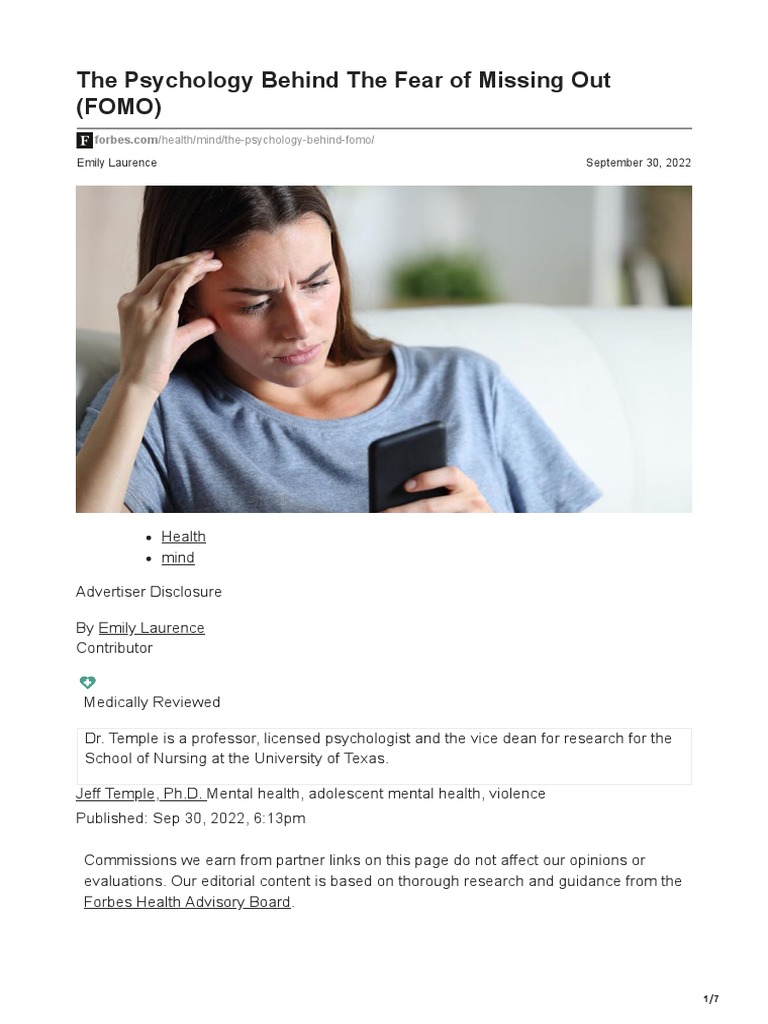
In the intricate nexus of modern society, capitalism and the pervasive fear of missing out (FOMO) intertwine in ways that reflect deep psychological, cultural, and economic currents. This interplay promises to upend traditional understandings of consumer behavior, social connectivity, and personal fulfillment. Exploring the symbiotic relationship between capitalism and FOMO not only illuminates the undercurrents shaping our daily choices but also invites a profound reconsideration of how value, opportunity, and desire are constructed and manipulated.
The Genesis of FOMO in a Capitalist Framework
FOMO, initially identified in the psychological realm as an anxiety stemming from the perception that others might be having rewarding experiences from which one is excluded, finds fertile ground within capitalist societies. Capitalism—a system predicated on continuous growth, competition, and consumption—intrinsically encourages individuals to pursue more, to enhance their social and economic status, and to stay perpetually connected to emerging opportunities. This persistent encouragement creates a fertile breeding ground for FOMO, as scarcity and exclusivity become not just market mechanisms but markers of personal identity and social currency.
Capitalism transforms FOMO from a simple social anxiety into a powerful motivator, harnessing it as an engine of perpetual consumption. Whether through advertising that accentuates scarcity or relentless innovation that makes yesterday’s goods obsolete, capitalism stokes the fires of unease, compelling consumers to continually seek the “next best thing.” This relationship reveals capitalism’s cunning architecture: it thrives on the tension between what is and what could be, converting existential insecurity into economic vitality.
Consumption as Psychological Currency
Beyond material acquisition, capitalism imbues consumption with symbolic value, turning goods and experiences into psychological currency. Possessing the latest gadget, attending exclusive events, or engaging with trending cultural phenomena becomes synonymous with social currency and status affirmation. In this context, FOMO does not simply represent a fear of missing events but underscores a deeper yearning for validation within a social hierarchy mediated by consumption.
Psychologically, this translates into a relentless feedback loop where the anticipation of missing out inflates the perceived value of commodities and experiences. The chase to “keep up” morphs into a chronic compulsion, subtly enforced not just by external market forces but by internalized expectations. Here, capitalism gels with the human psyche, channeling desires into commodifiable experiences, where lack is weaponized to instill urgency and conformity simultaneously.
Digital Connectivity and Exacerbation of FOMO
The digital revolution amplifies the interdependence between capitalism and FOMO. Social media platforms—driven by their own capitalist imperatives—perpetuate an endless stream of curated lifestyles and exclusive invitations, accentuating what one might be missing. This curated hyper-reality often blurs the line between realistic opportunity and constructed scarcity, inflating the anxiety that fuels FOMO.
Through relentless algorithms, these platforms commodify attention and leverage FOMO as a behavioral tether, ensuring user engagement and, consequently, maximizing capitalist gains. This creates a feedback system where individuals are both consumers and producers of anxiety-inducing content—perpetuating a cycle that benefits capitalist structures while deepening social alienation and psychological distress.
FOMO’s Impact on Economic Behavior
The economic ramifications of FOMO under capitalism are profound and multifaceted. It catalyzes hyper-consumerism, leading to impulsive spending, debt accumulation, and a prodigious waste of resources. The anticipation of missing out on exclusive sales, limited edition releases, or rapidly evolving trends prompts consumers into hurried, often irrational purchases that prioritize immediacy over sustainability.
Simultaneously, businesses have adapted sophisticated psychological strategies to exploit FOMO. Limited-time offers, flash sales, and exclusive memberships all commoditize scarcity and urgency, transforming FOMO into a measurable economic lever. This dynamic reinforces not only consumption but also a pervasive temporal urgency wherein the present moment is disproportionately valorized, eroding long-term planning and thoughtful decision-making.
Capitalism, FOMO, and the Illusion of Choice
Paradoxically, capitalism’s promise of abundance and choice often masks the narrowing of genuine options under FOMO’s shadow. The multifarious offerings and experiences present an overwhelming array, yet the social pressure to engage in as many as possible results in fragmented attention and superficial participation. This illusion of choice hides the subtle coercion embedded within market forces that direct attention toward particular commodities, lifestyles, and values.
FOMO magnifies this illusion by inflating the perceived cost of missing out, compelling individuals to spread themselves thinner and thinner, thereby diluting authentic engagement. Hence, choice becomes less a matter of autonomous preference and more a compulsive negotiation of social expectations molded by capitalist imperatives.
Recalibrating Desire: Toward Conscious Consumption
Recognizing the tangled roots of FOMO in capitalism invites a transformative shift in perspective—a reclamation of agency against the subtle forces manipulating desire and behavior. Conscious consumption emerges as a counterpoint, emphasizing intentionality, sustainability, and mindfulness over reactive acquisition. This paradigm challenges the very essence of capitalist promises by prioritizing well-being and fulfillment beyond material accumulation.
Fostering awareness of how FOMO is engineered and exploited enables individuals to disentangle authentic desires from manufactured anxieties. It encourages practices that valorize depth over breadth, quality over quantity, and presence over perpetual anticipation. In this recalibration, the promises offered by capitalism lose their grip, opening space for new modes of valuing self and society.
Conclusion: Toward a Post-FOMO Capitalist Ethos
The intersection of capitalism and FOMO reveals an intricate choreography between economic imperatives and psychological vulnerabilities. While capitalism leverages FOMO as a tool for expansion and engagement, the resultant socio-psychological costs are immense—stoking anxiety, fragmenting attention, and distorting authentic experience. The promise, however, lies in the awareness of this mechanism and the potential to envision a capitalist ethos that does not depend on fear and exclusion but fosters genuine connection and sustainable value.
Embracing such a shift demands collective introspection and innovative frameworks that balance economic vitality with human flourishing. Navigating this path promises not only respite from the tyranny of FOMO but the cultivation of a society where opportunity is decoupled from anxiety, and where fulfillment transcends the narrow contours of consumer capitalism.

