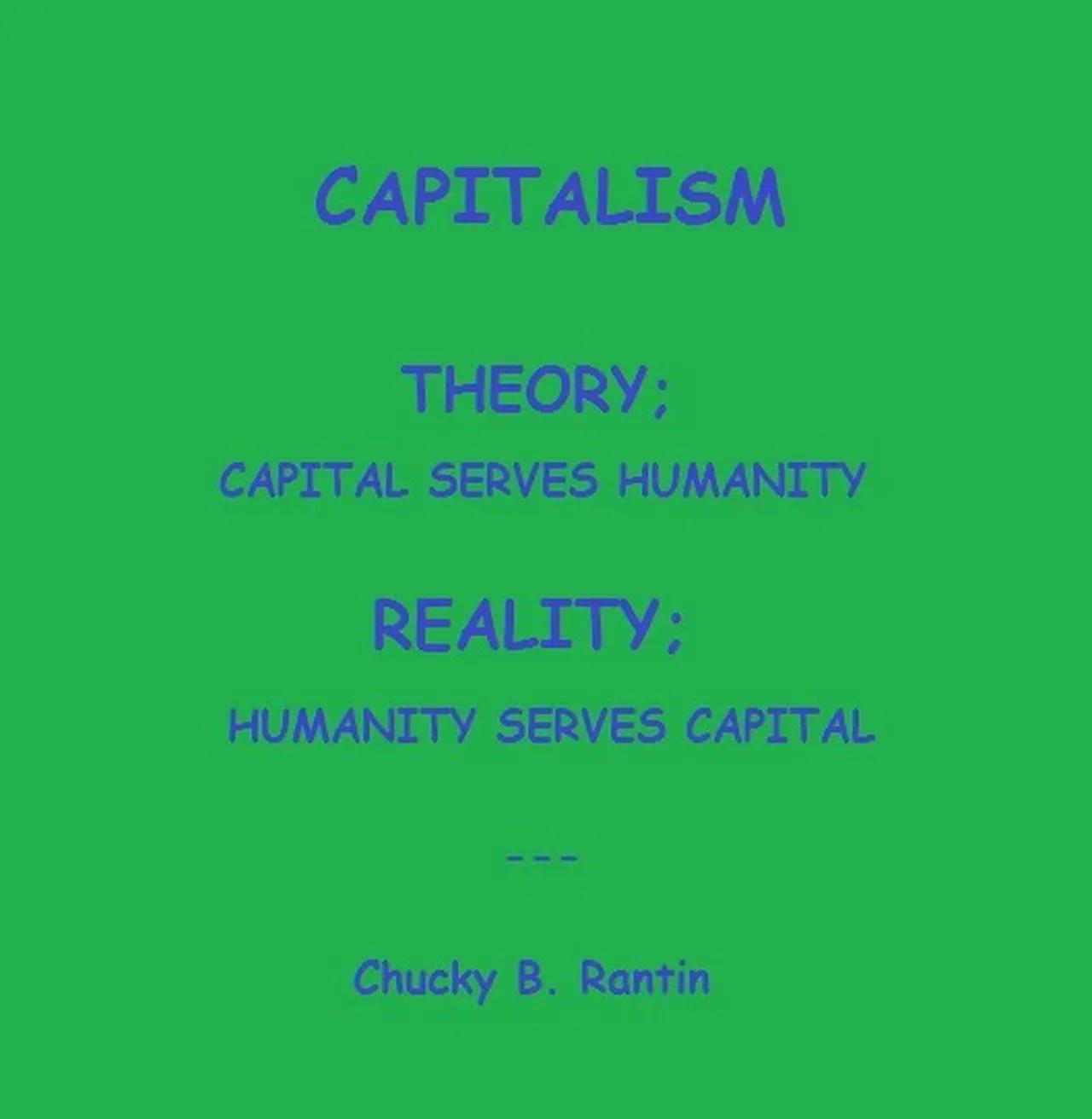
Capitalism, often heralded as the engine of progress and individual freedom, embodies a complex tapestry of ideals, practices, and contradictions. To truly grasp its essence requires more than a superficial glance at markets and money—it demands an exploration into the promises it’s made throughout history and the intricate realities that have woven themselves around it. This shift in perspective invites curiosity, challenging ingrained assumptions and uncovering the multifaceted nature of an economic system that permeates everyday life in ways both conspicuous and subtle.
The Philosophical Foundations of Capitalism
At its core, capitalism is predicated on the principles of private ownership and the pursuit of profit within competitive markets. Yet, these foundational tenets spring from a deeper philosophical well—one that intertwines notions of individual liberty, property rights, and the moral imperatives of self-interest. The Enlightenment thinkers who laid the groundwork for capitalist ideology envisioned a system where personal initiative and enterprise were not merely economic activities but expressions of human autonomy and dignity. This ideological scaffolding promised a society where freedom and prosperity were intimately linked.
However, the promise was not solely economic. Capitalism posited a dynamic interplay between individual ambition and societal progress. By enabling countless agents to act in their own interest, the system was seen as catalyzing innovation and generating wealth that could ostensibly uplift the collective. It is this dialectic between self-interest and communal betterment that continues to tantalize scholars and practitioners alike.
Capitalism as a Living Organism: Dynamic and Evolving
Contrary to static economic models, capitalism functions more like a living organism—adaptive, sprawling, and prone to mutation. It has morphed across centuries, evolving through mercantilism, industrial capitalism, financial capitalism, and now digital capitalism. Each phase reflects distinct technological, social, and political upheavals, yet all retain an undercurrent of the original promise: enabling growth through free enterprise.
This fluidity means capitalism is never a fixed entity. Its modes of operation and consequences vary by context, geography, and era. The promises of boundless opportunity and meritocratic ascension often collide with entrenched inequities and systemic exclusion. This dual nature compels a nuanced understanding that resists simplistic binaries of “success” or “failure.”
The Illusion and Reality of Meritocracy
One of capitalism’s most enduring and seductive promises is the idea that merit alone determines success. This belief fuels the allure of the “self-made” individual and the myth of equal opportunity. In theory, capitalism democratizes possibility; in practice, it frequently refracts it through lenses of inherited privilege, social networks, and structural barriers.
Meritocracy, when dissected, reveals layers of complexity. Access to capital, education, and influential social capital often skew the playing field. While capitalism extols competition, not all competitors begin at the same starting line. This disparity fosters tensions between the idealized vision of capitalism and the lived realities of those marginalized by its operations. Yet, this gap also serves as fertile ground for reimagining capitalism, challenging its promises and demanding reformations that reconcile aspiration with authenticity.
Capitalism’s Role in Innovation and Disruption
Innovation lies at the heart of capitalism’s appeal. The promise of disruption and creative destruction suggests that old industries will yield to new technologies and ideas, constantly refreshing economic vitality. This relentless churn encourages inventions from the light bulb to the internet, reshaping societies and daily experiences.
But innovation under capitalism is a double-edged sword. While it can create unprecedented conveniences and opportunities, it can also engender instability, job dislocation, and environmental degradation. Moreover, the imperative for continuous growth sometimes sacrifices ethical considerations for profit maximization. Understanding capitalism embodied means weighing these contradictions—celebrating ingenuity while remaining vigilant about human and ecological costs.
The Social Contract and Ethical Dimensions
Beyond economic mechanisms, capitalism engages with broader social and ethical questions. What obligations do wealth creators bear toward society? Does unfettered pursuit of profit undermine community cohesion? The social contract implicit within capitalist societies is often fraught and contested.
Capitalism’s promise of prosperity for all is frequently challenged by rising inequality and precarious labor conditions. This necessitates ongoing negotiation between market freedoms and social protections. Ethical capitalism, a burgeoning field of thought and practice, seeks to balance profit with purpose, invoking corporate responsibility, sustainability, and inclusive growth as guiding principles.
Global Capitalism and Its Discontents
If capitalism was once a primarily Western phenomenon, globalization has exponentially expanded its terrain. Multinational corporations and transnational financial flows now knit together disparate economies in complex webs. This global capitalism promises interconnectedness and shared prosperity but also exposes fissures—exploitation, cultural homogenization, and sovereignty dilemmas.
The embodied experience of capitalism on a global scale prompts critical reflection on power asymmetries and the uneven distribution of benefits and burdens. It forces a reckoning with how resources, labor, and environmental impacts circulate beyond borders, asking: who ultimately reaps the rewards, and who bears the costs?
Capitalism Reimagined: Towards a New Paradigm
The narratives that capitalism embodies are not static scripts but evolving stories. As societies confront mounting inequities, ecological crises, and technological upheavals, new paradigms emerge. Concepts like stakeholder capitalism, circular economies, and regenerative business models illustrate an aspiration to transcend traditional capitalist limitations.
This reimagination challenges the singular focus on profit maximization and proposes a more holistic vision—one that integrates human well-being, environmental stewardship, and social justice. Such transformations invite us to reconsider capitalism not as a monolith but as a malleable framework capable of adaptation and reinvention.
In embracing this perspective, curiosity is piqued: What would capitalism look like if it honored its promises more faithfully? How might societies harness its strengths while mitigating its excesses? What new narratives could arise from the tension between ideology and reality?
Capitalism embodied is a dynamic interplay of vast promises and profound complexities. By venturing beyond conventional understandings, it becomes clear that capitalism is less an endpoint and more a living dialogue—continually contested, constantly reshaped, and forever beckoning us to rethink what economic freedom truly means.

