In the intricate dance between creativity and commerce, artists often find themselves at a crossroads: how to make a living from their work without compromising the very essence that makes their creations unique. This tension—commonly described as “selling out”—is deeply ingrained in cultural consciousness, provoking both fascination and apprehension. The allure of capitalism tempts artists with financial stability, yet the fear of losing authenticity may paralyze or discourage them from embracing the marketplace. Exploring this dynamic reveals not only the challenges but also the immense possibilities for artists to thrive in a capitalist framework while maintaining artistic integrity.
The Paradox of Artistic Integrity in a Capitalist Marketplace
Capitalism is often perceived as a system driven by profit maximization and efficiency, prioritizing market demand over individuality. For artists, whose work embodies personal vision and emotional resonance, commodification can feel like a betrayal. However, this dichotomy is more nuanced. Artistic integrity does not necessarily dissolve in the presence of capitalism; rather, it requires navigating a labyrinth where commercial success and creative values coexist. The paradox lies in reconciling the intrinsic motivation to create with extrinsic economic incentives. Artists who understand this dynamic begin to see capitalism not as a threat but as a tool for amplifying their message and extending their reach.
Recontextualizing the Notion of “Selling Out”
The phrase “selling out” evokes images of artists forsaking authenticity for commercial gain. However, this binary framing understates the complexity involved in crafting a sustainable artistic career. Selling out presupposes a zero-sum game: either an artist is true to their vision or they succumb entirely to market pressures. The reality is far more fluid. Artists often adapt their work to appeal to an audience or collaborate with brands without sacrificing core values. This recontextualization challenges the stigmatization of commercial engagement, recognizing that ethical partnerships and strategic marketing can coexist with genuine self-expression.
Capitalism as a Platform for Creative Autonomy
At its best, capitalism provides a platform where artists can leverage market mechanisms to enhance creative autonomy. By understanding the economic environment, artists gain the agency to choose projects and partnerships that align with their ethos. This empowerment allows for the reinvestment of profits into projects that might not be immediately lucrative but have cultural or social significance. From limited editions and crowdfunding campaigns to brand collaborations that offer creative freedom, capitalism presents myriad vectors through which artists can sustain themselves without succumbing to commercial homogenization.
Navigating the Marketplace: Strategies for Ethical Commerce
Successful artists who “sell without selling out” often employ deliberate strategies to forge ethical commerce. Transparency is paramount; openly communicating the intent behind collaborations or products fosters trust with audiences. Selectivity in partnerships ensures that commercial endeavors do not dilute the integrity of their voice. Moreover, cultivating a loyal audience that values both the art and the artist permits a degree of independence from mainstream market forces. This approach demands savvy marketing alongside steadfast adherence to principles, striking a balance that honors both the artist’s vision and the realities of economic sustainability.
The Psychological Impact of Commercializing Creativity
Engaging with capitalism as an artist is not only a logistical challenge but also an emotional journey. The internal conflict arising from monetizing deeply personal expressions can trigger anxiety, self-doubt, and existential questioning. Yet, confronting these psychological dimensions can lead to growth. Artists learn to redefine success beyond monetary gain, cultivating resilience and confidence that their work maintains its significance irrespective of market fluctuations. This evolution can transform fear of selling out into a profound understanding of their role as entrepreneurs of creativity.
Cultural Fascination with the Artist-Capitalist Dichotomy
The persistent cultural fascination with artists who “sell out” reveals deeper societal anxieties about value, authenticity, and identity. The narrative of the pure, uncompromised artist juxtaposed against the mercenary capitalist taps into collective fears about loss of self and the corrupting influence of commerce. Yet, it also reflects admiration for those who can skillfully navigate this terrain. This fascination underscores a yearning for models of success that honor both creativity and financial independence, showcasing a shift toward more nuanced interpretations of what it means to be an artist in a commodified world.
Embracing Conscious Capitalism in Art
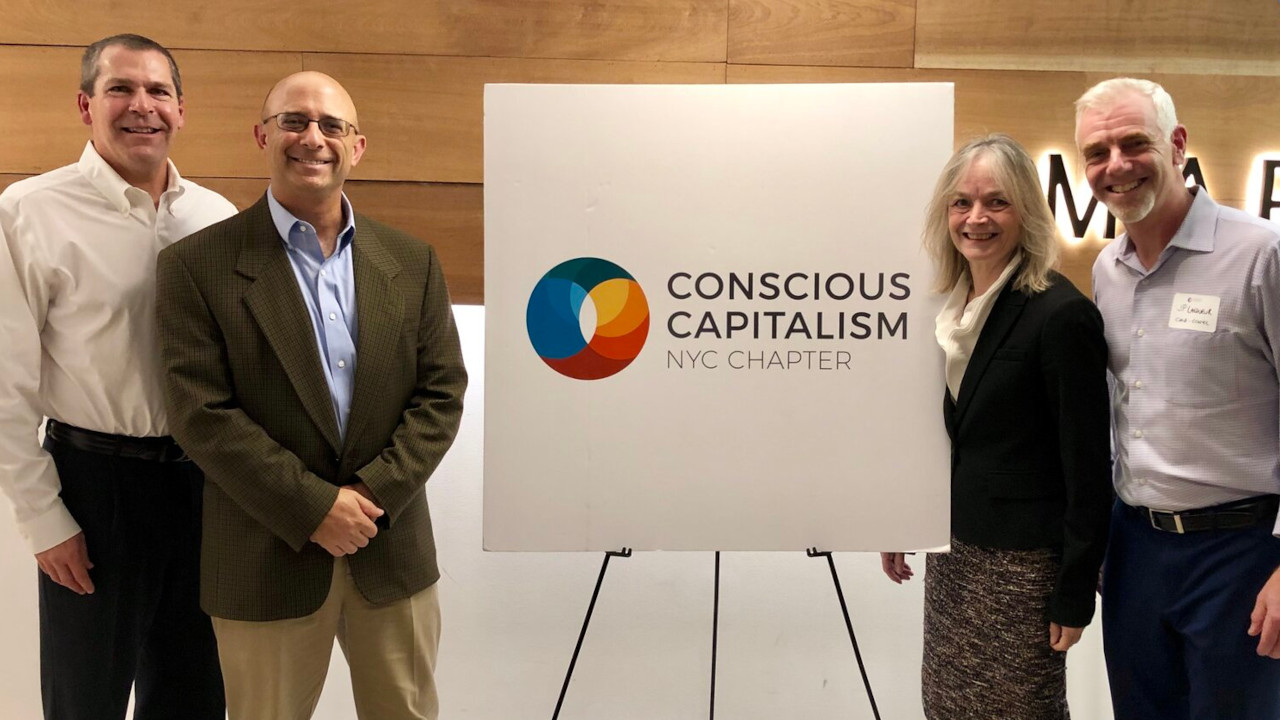
Emerging philosophies advocate for a form of capitalism mindful of ethical considerations and broader social impacts—conscious capitalism. In the artistic realm, this entails prioritizing relationships, purpose, and community alongside profit. Artists embracing this ethos seek to harmonize creative ambitions with sustainable business practices that respect ecological, cultural, and human values. This paradigm shift offers a hopeful blueprint for artists willing to engage with capitalism not as a corrosive force but as a framework for purposeful, principled entrepreneurship.
The Future Landscape: Integrating Capitalism and Artistic Authenticity
The evolving landscape of technology, social media, and direct-to-consumer platforms further blurs the lines between art and commerce. Artists now have unprecedented opportunities to cultivate personal brands, connect with global audiences, and earn revenue streams independent of traditional gatekeepers. This democratization expands the potential for artists to craft unique economic models that honor their distinct voices. The synthesis of capitalism and artistic authenticity need not be a zero-sum equation; rather, it is an open-ended dialogue that invites continuous exploration and redefinition.
Ultimately, the journey of “selling without selling out” is neither a singular event nor a static status. It is an ongoing process of negotiation, discovery, and empowerment—one that reframes capitalism as a catalyst for artistic flourishing rather than its antithesis. For artists willing to embrace this complexity, capitalism becomes not a peril to avoid but a landscape rich with possibility and purpose.


