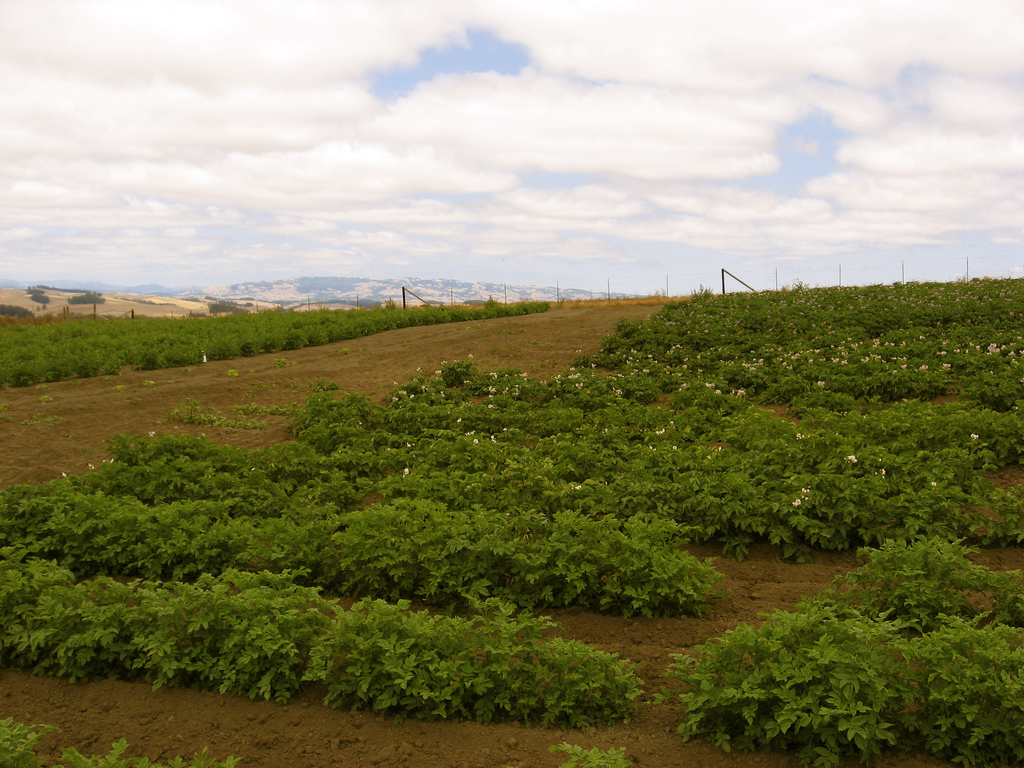
In the sprawling mosaic of California’s Central Valley, capitalism roots itself as deeply as the soil that stretches for miles beneath the sun’s vigilant gaze. This fertile expanse, often visualized as the nation’s breadbasket, is more than a natural treasure—it is a colossal stage where the drama of modern capitalism unfolds with all its vigor and complexity. The Central Valley’s agricultural economy is not merely about crops growing; it is about a dynamic interplay of market forces, innovation, labor, and environmental negotiations that paints a vivid tapestry of American enterprise in action.
The Central Valley: An Agricultural Powerhouse and Economic Engine
Often described as the “fruit bowl” of the United States, the Central Valley wields unparalleled agricultural influence, producing a cornucopia of fruits, vegetables, nuts, and grains. Yet, beneath this abundant yield lies a meticulously orchestrated capitalistic framework. The region’s agribusiness operates like a finely tuned machine, each cog—farmers, distributors, investors, laborers, and policymakers—interlinked in a system designed to maximize efficiency and profit. The Central Valley isn’t just farmland; it is a pulsating economic artery feeding the nation and the world.
Capitalism in this region thrives on the commodification of natural resources and the relentless pursuit of market expansion. Crops here are not just harvested; they are transformed into tradable commodities in a global marketplace, reflecting patterns of supply, demand, and speculation reminiscent of financial markets.
Capital-Intensive Agriculture: The Machinery of Modern Farming
Farming in the Central Valley has transcended its pastoral origins. It is a capital-intensive enterprise, heavily reliant on advanced machinery, irrigation infrastructure, and biotechnology. Tractors and harvesters hum like the heartbeat of the land, symbolizing the marriage between human ingenuity and capital investment. These machines are the tangible manifestations of capital, converting fiscal input into tangible output with precision and scale.
The infusion of technology, from genetically modified seeds to AI-driven crop monitoring, highlights the region’s embrace of innovation as a competitive advantage. Investments flow not only into production tools but also into data analytics and supply chain logistics, underscoring capitalism’s intrinsic drive toward optimization and market dominance.
The Labor Paradox: Human Capital in a Mechanized Landscape
Despite the mechanization surge, human labor remains indispensable. The Central Valley employs a vast, primarily immigrant labor force whose physical toil is the backbone of the region’s capitalist apparatus. This labor force navigates fragile conditions—seasonal work, fluctuating wages, and limited labor protections—reflecting a stark contradiction between the capital-intensive mechanization and human vulnerability.
This labor paradox underscores a poignant motif in Central Valley capitalism: the coexistence of high-tech farming methods with deeply human stories of resilience and hardship. It also casts light on the socio-economic negotiations necessary to sustain such an extensive capitalist enterprise.
Water Politics: The Lifeblood of Capitalist Agriculture
Water, often deemed the “blue gold” of the Central Valley, is not just an environmental factor but a fiercely contested economic commodity. Control and allocation of water resources epitomize the intersection of capitalism and environmental constraints. The complex water rights framework, intertwined with drought cycles and climate change, shapes who thrives and who falters in this agricultural crucible.
Irrigation infrastructure—canals, reservoirs, and wells—is a labyrinthine capital investment essential for sustaining crop yields. The battle for water reflects broader capitalist tensions: scarcity versus demand, profit maximization versus sustainability. In the Central Valley, water is currency, wielded with the same gravity as land or labor, influencing corporate strategies and public policy alike.
Market Consolidation and Agribusiness Monoliths
The agriculture sector in the Central Valley is marked by significant market consolidation. Large agribusiness conglomerates increasingly dictate terms, overshadowing smaller family farms and reshaping the regional economic landscape. This concentration of capital wields immense power in commodity pricing, labor standards, and political lobbying.
These corporate behemoths operate with a market logic that prizes scalability and efficiency, often at the expense of ecological diversity and smallholder autonomy. This trend signals a profound transformation in how capitalism manifests in agricultural spaces, highlighting issues of equity, sustainability, and democratic control.
Globalization and Export Dynamics
The Central Valley’s farmland operates not only within national boundaries but also within a global marketplace teeming with opportunity and competition. Export dynamics link local agricultural production to worldwide consumer trends, trade policies, and geopolitical shifts. Capitalism here is not static—rather, it is a fluid web extending beyond borders, where local harvests are traded as global commodities.
Trade agreements and international demand dictate crop selection and farming practices, embedding the Central Valley within a transnational capitalist network. This global connectedness offers lucrative prospects but also exposes producers to systemic vulnerabilities, such as fluctuating tariffs and market volatility.
Environmental Externalities and Capitalism’s Reckoning
As capitalism propels vast production in the Central Valley, the environmental consequences loom large. Soil degradation, pesticide runoff, and greenhouse gas emissions represent substantial externalities—costs external to the market transaction but borne by ecosystems and communities. These externalities pose existential questions about the sustainability of capitalism’s current agricultural model.
Increasingly, stakeholders grapple with balancing profit motives against ecological stewardship. Innovative approaches such as regenerative agriculture, organic farming, and carbon farming emerge as attempts to reconcile capitalist imperatives with environmental responsibility.
Conclusion: The Central Valley as a Capitalist Microcosm
The California Central Valley stands as a living parable of capitalism’s expansive reach and intricate challenges within the realm of agriculture. Its soil nurtures not only crops but also the ambitions and contradictions embedded in a market-driven economy. The interplay of technology, labor, natural resources, and global integration crafts a narrative both compelling and cautionary—a vivid testament to capitalism’s capacity to innovate, exploit, and adapt.
Like a vast orchestra, the Central Valley’s capitalist framework composes a symphony of growth with notes of opportunity and discord. Its story is a cornerstone for understanding the future of agricultural economies, where human aspirations and environmental realities must find a harmonious balance amid the relentless tides of capitalism.

