Capitalism in the Restaurant Industry Explained
Imagine a symphony where every fork, knife, and spatula plays a part in a complex economic ballet. Welcome to the restaurant industry—a high-stakes arena where capital reigns supreme. But like any thriving ecosystem, it’s not merely about plates and profits; it’s a microcosm of capitalism in its most vibrant, chaotic, and undeniably human form.
The Profit Motive: The Heart of the Matter
At the core of every restaurant’s existence lies the fundamental tenet of capitalism: profit. But this isn’t about greed—unless the owner draws it on the bottom line with a sharpie. It’s about efficiency, innovation, and the relentless pursuit of a point where revenue meets the rising tide of operational costs. The industry’s dance card is filled with calculated risks, from menu engineering to customer acquisition, each step choreographed to maximize financial gain.
Menu Engineering: Strategic F&B Design
Think of the menu as a carefully crafted landscape where every item serves a dual purpose. The “signature” dishes are the crown jewels—crafted for recognition and profit potential. Meanwhile, the “supporting cast” includes items that move quickly but don’t strain the bank account. Capitalism’s influence here is palpable; the menu is less about culinary artistry and more about strategic positioning. High-margin items aren’t hidden treasures but rather the pillars upon which many eateries stand.
The Labor Factor: Human Capital in Flux
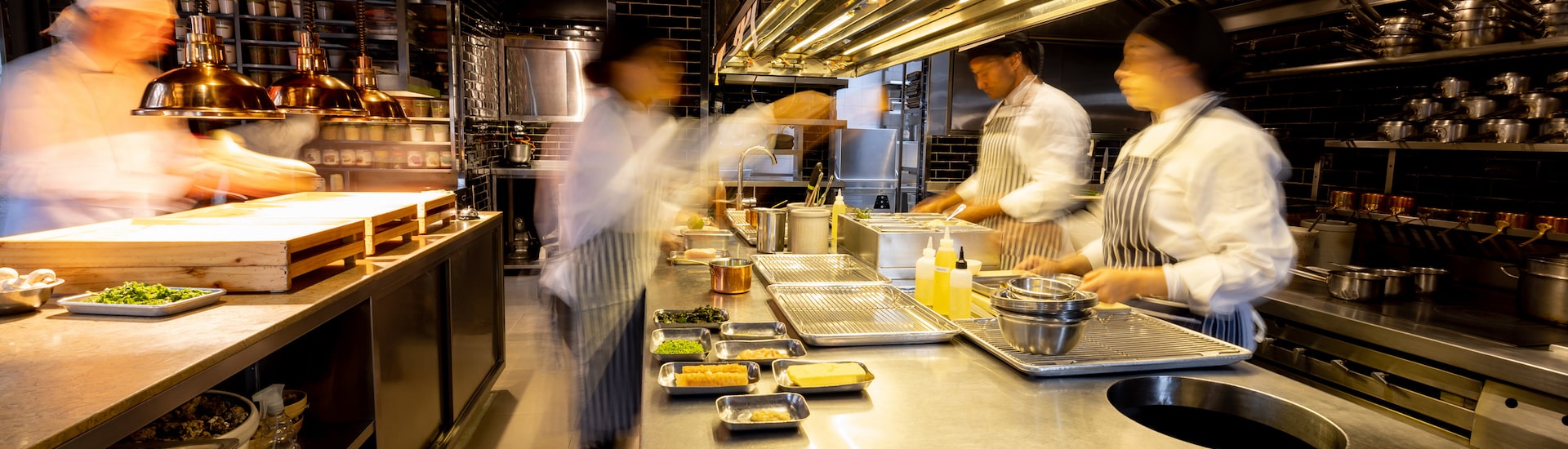
In the restaurant’s operational machine, human capital is both the conductor and the orchestra. Waitstaff, kitchen staff, managers—they each play a pivotal role in the financial equation. But here’s the twist: in a capital-driven system, the human element must constantly balance between performance, satisfaction, and profitability. Automation, from digital ordering systems to AI-driven inventory management, continually reshapes this dynamic, adding a new layer to the industry’s capital calculus.
Economic Cyclicity: Navigating the Tides
The restaurant industry, much like the tides, rises and falls with the economy’s ebb and flow. In boom times, credit cards hum with increased activity. During economic downturns, however, diners tighten their belts, and so do restaurants. The challenge? Anticipating these shifts and pivoting without losing sight of long-term goals. It’s a tightrope walk, one misstep could send ripples through the financial fabric, but each step is measured with precision in the pursuit of capital preservation and growth.
The Unseen Competition: Franchise vs. Independent
In this landscape dominated by capital, two distinct players compete for dominance. Franchises offer a proven, scalable model—akin to a well-oiled machine. Independent eateries, conversely, bring creativity and local flavor, often with a leaner capital footprint. The tension between these forces shapes the industry’s evolution. A successful independent might disrupt a franchise’s formula, while a thriving franchise can replicate success across regions. It’s a dynamic interplay, all governed by the invisible hand of market forces.
The Marketing Maze: Branding as Currency
In the contemporary restaurant scene, branding is the new currency. From Michelin stars to social media darling status, reputation is everything. Marketing budgets now rival those of traditional businesses, reflecting the industry’s understanding that visibility directly translates to capital. The challenge here lies in sifting through noise to capture a loyal customer base—akin to herding a particularly picky and influential cattle.
The Supply Chain Tightrope
Nutrition arrives via a complex supply chain network—a system as vital for the restaurant industry as blood is to the body. Fluctuations in agricultural markets, ingredient scarcity, and shipping costs can destabilize even the most financially secure establishments. It’s a constant game of chess, where foresight and agility are paramount. Managing this intricate web of suppliers, distributors, and logistics is a testament to the industry’s capital-driven ingenuity.
As we navigate the currents of this capital-centric industry, one question emerges: what happens when the plates, no matter how stacked with ambition, begin to stack unevenly? The answer isn’t clear-cut, but it lies in the ability to adapt, innovate, and continually recalibrate the pursuit of profit within an evolving landscape. The stage is set—a grand spectacle unfolds. The curtain calls yet to ring down.


