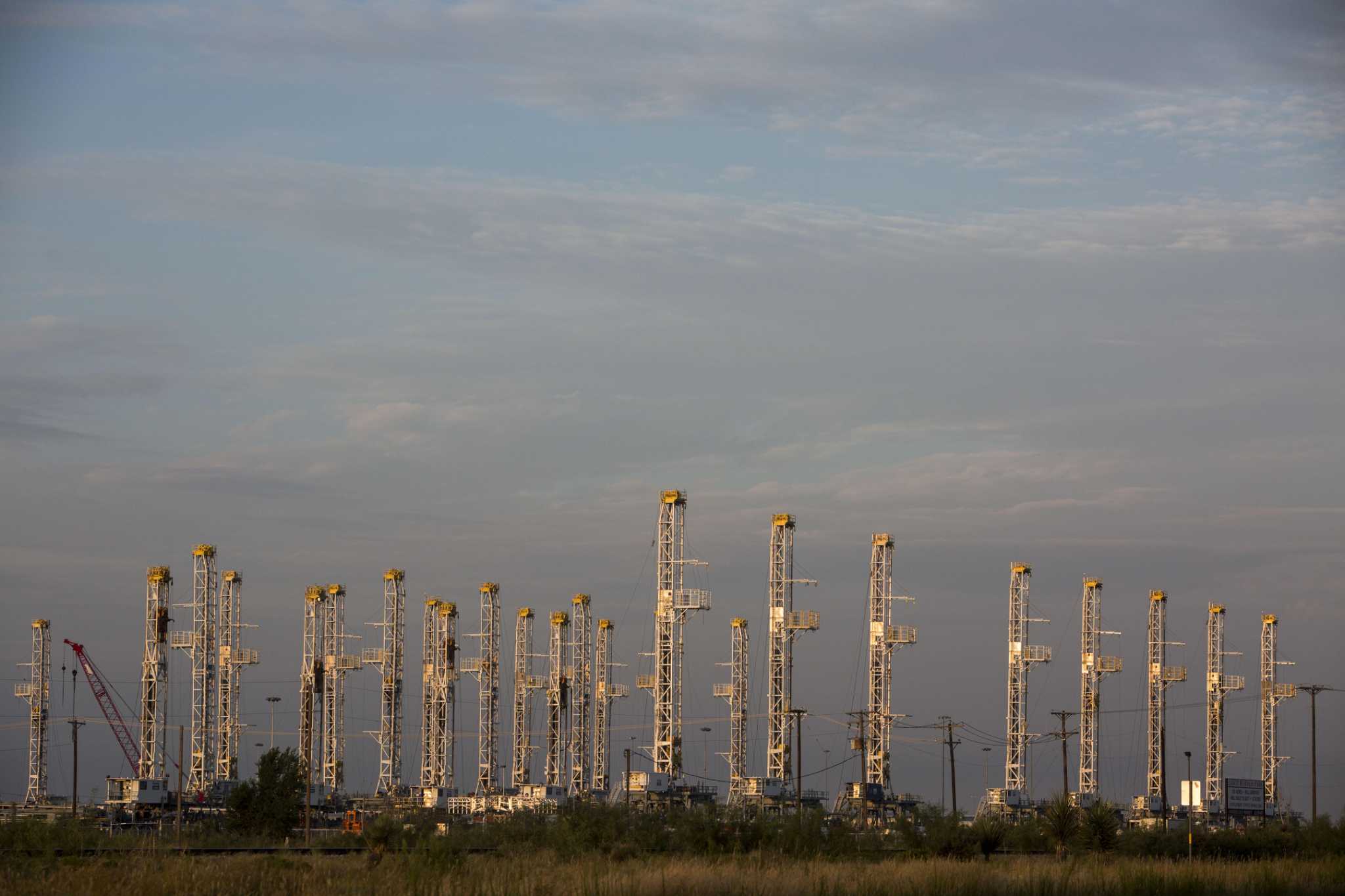
The vast Texas oil fields have long stood as a symbol of American industriousness and capitalism, epitomizing the complex interplay between natural resources, economic ambition, and market forces. This intricate relationship has shaped not only the physical landscape of Texas but also the broader contours of the global energy sector. Exploring capitalism in the Texas oil fields reveals a story of innovation, risk-taking, wealth creation, and environmental challenges—all woven into the dynamic tapestry of one of the world’s most lucrative industries.
The Origins and Evolution of Oil Capitalism in Texas
The discovery of oil in Texas, particularly at Spindletop in 1901, ignited a capitalist bonanza that would transform the region’s economy. This initial gush of black gold catalyzed the birth of a new class of entrepreneurs and industrial magnates, who capitalized on emerging technologies and speculative ventures. The early days of oil capitalism in Texas showed a rugged individualism where fortunes were made and lost at a dizzying pace. Land speculation, drilling rights, and refinery construction became arenas for fierce competition, often guided by an unrelenting pursuit of profit.
Over time, these raw, often chaotic beginnings gave way to more structured and consolidated corporate entities. Majors such as Texaco and later ExxonMobil grew from modest origins, demonstrating how capitalism in the Texas oil fields evolved from frontier opportunism into sophisticated corporate capitalism. Alongside this development, the complexities of market regulation, labor relations, and technological innovation began shaping the field’s economic and social dimensions.
Capital Investment and Technological Innovation
The bedrock of capitalism in the Texas oil fields lies in capital investment and the incessant drive toward technological advancement. From the invention of rotary drilling to seismic imaging, each innovation lowered extraction costs and opened up previously inaccessible reserves. Capital investment flows are not merely about funding rigs and pipelines; they encompass research and development, infrastructure improvements, and talent acquisition.
Private equity and multinational corporations compete vigorously for dominance, deploying capital with strategic intent. This influx of capital catalyzes rapid technological proliferation, enabling companies to steer through fluctuating oil prices and geopolitical uncertainties. The resulting technological sophistication not only increases yield but also contributes to the longevity of oil fields that were once presumed depleted. In this respect, the marriage of risk capital and innovation epitomizes the capitalist spirit at work deep beneath the Texas soil.
Labor Dynamics and Capitalist Enterprise
The human element is inseparable from capitalist operations in the oil fields. The capital-labor relationship in Texas oil reflects broader themes of industrial capitalism, including labor mobility, class stratification, and labor rights disputes. Workers range from field laborers and engineers to corporate executives, each playing pivotal roles within the capitalist framework.
Historically, labor conditions in the oil fields were extreme, with safety standards evolving slowly amid relentless pressure to maximize output. Unionization efforts, labor strikes, and negotiations introduced new dynamics, challenging traditional hierarchies and pushing for equitable treatment and compensation. Capitalist enterprises often had to balance profit-maximization against labor satisfaction, a tension typical within extractive industries where human effort and capital investment intersect intensely.
Market Fluctuations and Capitalism’s Cyclical Nature
Oil capitalism is intrinsically cyclical, marked by euphoric booms and devastating busts. Texas oil fields exemplify this volatility, as the prices of crude oil are subject to global economic conditions, geopolitical events, OPEC decisions, and technological disruptions. This cyclical nature requires capitalists to be adept at timing investments, managing risk, and sometimes pivoting business strategies.
During periods of high prices, capital floods the oil fields, expanding production and infrastructure. Conversely, when prices collapse, companies often downsize operations, lay off workers, or innovate to cut costs. This pendulum swings not only affect the immediate economic outcomes but also ripple through local communities, influencing social services, real estate markets, and public policies. Understanding capitalism in this context involves appreciating its inherent instability and the strategic maneuvers it necessitates.
Environmental and Regulatory Dimensions
Capitalism within the Texas oil fields cannot be fully comprehended without acknowledging the environmental and regulatory milieu. The extraction and processing of oil carry significant ecological footprints, including habitat disruption, water contamination, and greenhouse gas emissions. As public awareness and environmental advocacy have increased, regulatory frameworks have evolved, imposing compliance costs and shaping corporate behaviors.
Capitalism adapts to these constraints, often turning environmental challenges into opportunities for innovation. Enhanced recovery techniques, emissions reduction technologies, and corporate sustainability initiatives represent how market forces and regulatory pressures coalesce. However, conflicts persist as companies balance fiduciary duties to shareholders with environmental stewardship, illustrating the complex ethical and economic terrain capitalism navigates in the Texas oil fields.
Community Impact and Socioeconomic Transformation
The capitalist exploitation of Texas oil has deeply transformed local communities, from boomtown phenomena to generational wealth creation and social disparities. The influx of capital can bolster public infrastructure, education, and healthcare, yet it can also exacerbate inequality and strain community resources during downturns.
Towns near oil fields often experience rapid demographic changes, with fluctuating populations bringing both vitality and volatility. Real estate markets rise and fall in correspondence with capital flows, impacting affordability and social cohesion. Additionally, indigenous and rural populations sometimes face displacement or environmental burdens, complicating the social contract forged by capitalist expansion in resource-rich regions. Thus, the capitalistic ventures in Texas oil fields mirror a broad narrative of progress tempered by social challenges.
The Global Influence of Texas Oil Capitalism
Finally, the capitalism practiced in Texas oil fields has reverberated far beyond state borders, influencing global energy markets, international relations, and economic policies. Texas producers have competed and collaborated with OPEC nations, navigated international sanctions, and participated in the global transition toward alternative energy forms.
The dominance of Texas oil capitalists in lobbying, innovation, and market strategies has shaped energy prices, geopolitical alliances, and environmental discourse worldwide. As the world increasingly grapples with climate change and sustainability, the capitalistic model forged in Texas offers both lessons and warnings. It highlights how resource-based capitalism can drive economic prosperity while challenging global ethical and environmental imperatives.


