What if the final step of sending a package to your doorstep was not just a logistical hurdle but a battleground for capitalism’s ingenuity? Last-mile delivery, often overlooked, stands as one of the most intricate challenges in modern commerce. As consumers grow increasingly impatient for swift, efficient service, capitalism answers with a kaleidoscope of strategies—each vying to revolutionize how goods traverse from the warehouse to your hands. But does the relentless pursuit of speed and efficiency risk unraveling new complications? Let’s journey through the multifaceted world where capitalism confronts last-mile delivery head-on.
The Quintessence of Last-Mile Delivery
Last-mile delivery, the final transit step that completes the journey from a distribution hub to a consumer’s door, might seem trivial, but it encapsulates complexity. This segment accounts for a disproportionate share of delivery costs—often up to 53% of total shipping expenditures. It’s a paradox where vast supply chains narrow into the most congested and variable environments: city streets, suburban lanes, or remote rural paths. The sheer unpredictability, combined with the demand for speed and reliability, creates the perfect storm for innovation and disruption.
Capitalism’s Toolkit: Innovation as the Operational Vanguard
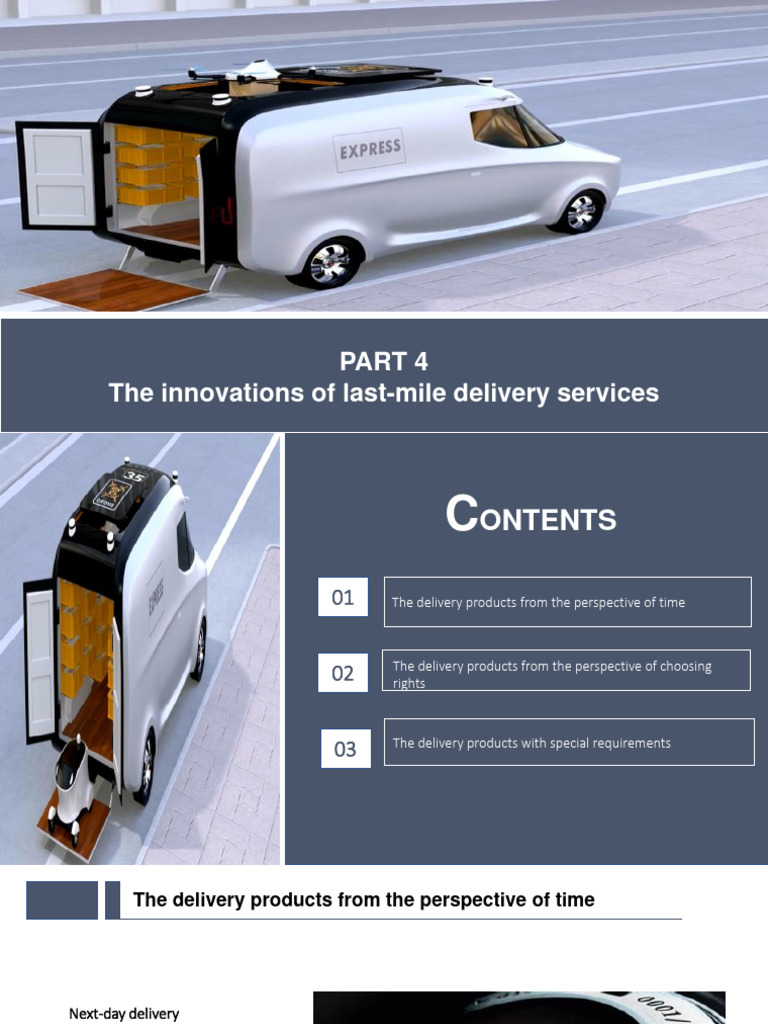
In capitalism’s relentless quest for competitive advantage, innovation becomes the operative weapon. Companies engineer smarter logistics algorithms that optimize routes in real time, adapting to traffic snarls and weather unpredictability. Autonomous delivery vehicles emerge, promising to supplant human drivers with efficiency untethered by fatigue or labor costs. Some startups deploy delivery drones, soaring above terrestrial congestion to reach the consumer faster. Others explore micro-fulfillment centers strategically positioned within urban areas, drastically shrinking delivery radii and slashing delivery times.
Amidst this technological fervor, capitalism also leverages data as a currency. Customer behavior patterns inform not only inventory placement but even the timing of deliveries, harmonizing supply chains with human rhythms. The digitalization of logistics catalyzes a new epoch where milliseconds saved translate into massive economic returns.
The Paradox of Convenience and Sustainability
Yet, capitalism’s zeal for last-mile innovation wrestles with the conundrum of environmental sustainability. Ultra-fast delivery often comes at a steep ecological cost, with increased delivery frequencies leading to heightened carbon emissions and urban pollution. Electric vehicles offer a partial remedy, dispelling some reliance on fossil fuels, but their widespread adoption requires infrastructural metamorphosis.
This tension poses a philosophical and pragmatic challenge: can capitalism align the insatiable hunger for instant gratification with the necessity for sustainability? Or will the allure of convenience perpetuate a cycle of environmental degradation? Addressing this requires not just technological leaps but also a reevaluation of consumer expectations and regulatory frameworks.
Human Capital and the Gig Economy: Labor’s Evolving Landscape
The last mile is also where capitalism’s social dimension unfolds conspicuously. The delivery workforce, often represented by gig economy couriers, embodies both opportunity and contention. Capitalism’s solution to last-mile delivery frequently leans on flexible labor arrangements, offering workers independence but also precariousness. This malleable labor model reduces operational costs and scales rapidly, yet it engenders debates around workers’ rights, compensation, and security.
These dynamics reflect a broader capitalist tension: balancing profit optimization against ethical stewardship. Companies must navigate consumer expectations for fast service while contending with calls for fair labor practices. The interplay between automation and human labor further complicates the landscape, suggesting that human capital remains indispensable even as technology advances.
Urbanization and Infrastructure: The Geographic Chessboard
The physical geography of delivery targets significantly influences last-mile strategies. Capitalism’s approach adapts according to whether the terrain is sprawled suburbia or densely packed metropolitan cores. Urban congestion, parking limitations, and narrow streets impose logistical constraints that spur inventive solutions, such as cargo bikes, parcel lockers, and pick-up points.
Investment in urban infrastructure evolves alongside capitalism’s ambitions. Smart city initiatives integrate real-time traffic data with logistics operations, facilitating smoother deliveries. Public-private partnerships sometimes emerge to develop shared delivery hubs, optimizing resource utilization and diminishing redundant trips. In essence, the urban landscape becomes a complex chessboard where capitalism positions its pieces to outmaneuver delivery inefficiency.
The Customer’s Power Play: Expectations, Feedback, and Behavioral Economics
Capitalism’s last-mile delivery revolution hinges fundamentally on the consumer’s evolving role. Instant gratification has fostered expectations of same-day or even hour-by-hour deliveries. This consumer impetus drives corporations to devise increasingly sophisticated systems, but it also feeds a cycle of escalated promises that strain logistics capabilities.
Behavioral economics enters the fray as companies experiment with delivery options that balance speed with cost—offering incentives for customers willing to accept slightly delayed or consolidated deliveries. Personalization technologies craft bespoke delivery experiences, enhancing satisfaction but increasing operational complexity.
Ultimately, the consumer is not a passive recipient but an active participator shaping capitalism’s response. Their preferences form the crucible in which logistical innovations are tested and refined.
Future Horizons: Will Capitalism Outpace the Last Mile?
As technological horizons expand—envision autonomous flying drones seamlessly navigating urban canyons, or AI predictive models foretelling precisely when and where next parcels will appear—capitalism’s answer to last-mile delivery seems poised for unprecedented sophistication. Yet, with profound complexity comes inherent fragility. Scalability, cost pressures, environmental imperatives, and ethical considerations will continually challenge the durability of solutions.
Will capitalism’s ceaseless drive for efficiency harmonize with societal needs, or will last-mile delivery remain a Sisyphean struggle marked by incremental triumphs and setbacks? Perhaps the real answer lies not in a singular innovation but in the continuous orchestration of technology, labor, urban planning, and consumer engagement. The final mile may yet reveal itself as capitalism’s most intricate dance—demanding not only speed but also balance, foresight, and adaptability.

