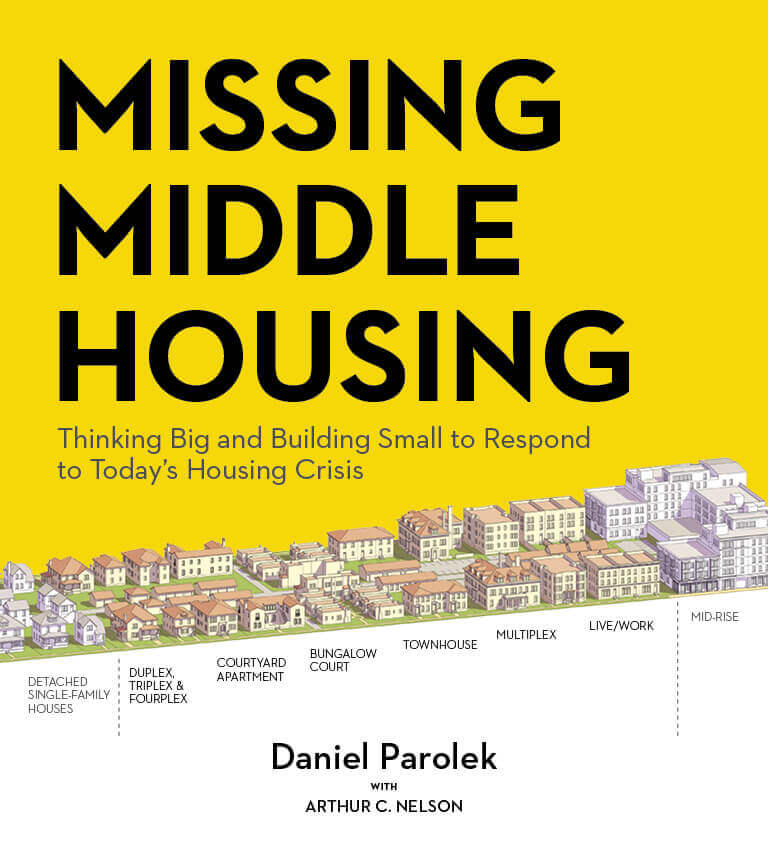
Urban landscapes groan under the weight of density, a familiar discordant note in the symphony of city life. The “missing middle” isn’t just a statistical curiosity; it’s a symptom of a profound architectural and societal rupture – the scarcity of housing types that don’t fit neatly into the luxury or deep-pocket affordable models pedaled by the market. This void in our residential fabric exacerbates inequality, strains infrastructure, and fundamentally reshapes how communities function.
The Unbridgeable Chasm: Supply Limitations
A confluence of factors meticulously, almost algorithmically, narrows our housing pathways. Zoning regulations, often relics from suburban planning era ordinances, erect formidable barriers against infill development. Arbitrary set-backs, height limits, and single-family home mandates transform dense city cores into landscapes of isolated villas, effectively locking out anything but the most capital-intensive housing proposals. Redevelopment potential is frequently stifled by preservation mandates applied with almost parametric precision, favoring boutique conversions over thoughtful densification.
Furthermore, the supply chain itself introduces bottlenecks. The specialized expertise required to navigate complex city approvals for anything other than high-end single-family replacements creates a perverse scarcity. Builders adept at navigating intricate urban form requirements focus exclusively where the profit margins align – preserving existing high-value plots or converting a few adjacent commercial buildings. The complexity of constructing, say, a well-designed townhouse row on a challenging urban parcel deters investment compared to simpler, standardized products pedaled by the luxury market. This narrowing funnel leaves the practical needs of expanding families, young professionals, and aging populations systematically excluded from the housing discourse.
The Profit Motive as Territorial Claim: Investment Imperatives
Capitalism, by its very nature, thrives on density and return potential. Yet, its dominant logic often favors land speculation and maximizing asset value per unit area in straightforward ways. High-end single-family homes, detached or semi-detached, represent a tried-and-tested model. The value appreciation, often astronomical, per square foot of land owned, creates powerful incentives for development focused purely on extracting maximum value from the ground. This model requires fewer capital intensive, complex engineering exercises, relying often on standardized materials and labor practices.
In contrast, middle-range housing – duplexes, triplexes, well-designed townhouses – presents a different calculus. Success hinges not just on land value, but on the intricacy of its form, the quality of the interfaces between units, and the social and urban context it inhabits. Navigating complex regulations requires more specialized design solutions, often demanding higher construction standards and more sophisticated land assembly. The financial returns are less immediately apparent or predictable compared to flipping luxury assets or developing massive, standardized apartment towers. Consequently, the inherent complexity of creating middle housing acts as a de facto restriction zone, discouraging the capital and risk aversion typical of certain market actors. The reward structure, skewed towards simpler, visually impactful transformations, doesn’t readily incentivize the nuanced architectural and urban interventions needed.
The Algorithmic Dwelling: Technological Factors
The tools of development and urban planning have evolved, often exacerbating rather than solving the issue. Digital modeling allows for incredibly complex and imaginative architectural forms, bypassing some traditional manufacturing limitations. However, the sheer complexity these tools enable often speaks to, and creates, architectural language alien to the practical, lived-in experience of middle housing. The quest for visual novelty or market-buckling spectacle frequently overshadows the pedestrian-scale urbanism or thoughtful building typologies needed to fill the missing middle.
Manufacturing capabilities have shifted; mass-produced, generic modular units can theoretically provide housing solutions. Yet, they often lack the contextual sensitivity, incremental appropriateness, or architectural merit expected from truly successful middle housing. The focus shifts from bespoke urban integration to rapid deployment. Similarly, simplified design software encourages faster, less nuanced decision-making, prioritizing ease of use over the complex negotiation required to resolve site constraints, neighborhood character, and diverse user needs inherent in a missing middle solution. These technological shifts, rather than democratizing design, can deepen the divide between bespoke architectural solutions and the standardized, less adaptable forms offered by a market seeking easy replication.
The Numbers Game: Financial Mechanisms
Securing financing for anything other than the conforming, speculative, or very high-end housing project remains one of the most significant hurdles. Lenders have traditionally structured loans around specific property types and usage metrics. A duplex or townhouse development requires sophisticated appraisals reflecting its unique market dynamics and complex capitalization rates, often opaque and resistant processes compared to conventional single-family home lending. Accessing capital at terms favorable enough to cover the intricacies, delays, and non-standard risks associated with middle housing projects is exceptionally challenging for developers focused purely on the missing middle.
Furthermore, tax incentives, while potentially available, are often complex and favor developments with extremely high densities or conversions into luxury housing, not solutions specifically designed to address the needs of the missing middle. Government policies, sometimes intentionally, sometimes through bureaucratic inertia, create a landscape where the most financially straightforward path is towards reinforcing the housing extremes, leaving the challenging path of middle housing development lacking accessible, tailored financial solutions and supportive policy frameworks designed for its unique characteristics.
Synthesis: The Human Equation
The resulting tension is palpable: a market adept at generating extremes – density through verticality or near-total exclusion through high-end development – yet demonstrably ill-equipped or unwilling to replicate the middle ground effectively. The current answers proposed often feel like Band-Aids on a structural wound. High-rise towers for apartments cater to a niche demand for extreme density, while large-scale single-family home conversions or townhome infill cater primarily to affluent buyers seeking perceived privacy and exclusivity. Neither directly addresses the broader affordability crisis nor provides the urban variety inherent in a truly successful missing middle strategy.
Capitalism, as a system, offers few incentives to systematically replicate middle housing solutions at scale. The inherent complexity – regulatory, financial, design, and logistical – presents formidable obstacles that are consistently navigated more readily by development focused on simpler, demonstrably profitable outcomes. The solution, therefore, isn’t just about finding smarter design or more stringent policies; it requires a radical rethinking of incentives. It demands valuing complexity, celebrating contextual adaptation, and potentially reimagining financial instruments, to shift the very framework that created the missing middle problem in the first place.

