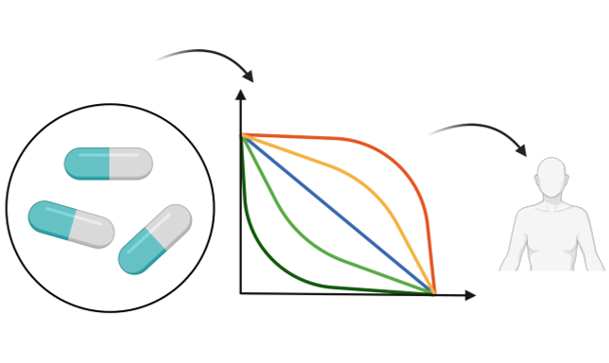
What if the relentless engine of capitalism—a force celebrated for propelling innovation and economic growth—actually drags its feet when it comes to the speed of drug discovery? Could the very mechanisms designed to foster breakthroughs inadvertently entangle the process in a web of delays and detours? This interplay poses a challenging paradox, inviting a deeper inquiry into how capitalism shapes the pace at which new medicines emerge from labs to lives.
The Capitalist Catalyst: Incentives Driving Drug Innovation
The heartbeat of capitalism is incentive. In the realm of pharmaceuticals, this manifests through prospects of substantial financial returns, patent protections, and market exclusivities. These incentives galvanize companies to invest prodigious resources in research and development, often in pursuit of blockbuster drugs. The promise of exclusivity grants temporary monopolies, enabling hefty price tags that can underwrite the astronomical costs of innovation.
This dynamic undoubtedly accelerates some walks of drug discovery. Companies fervently chase molecules promising high profitability, unleashing a torrent of scientific inquiry and technological advancement. The competitive milieu encourages efficiency, creativity, and a relentless drive to outpace rivals. Without capitalism’s incentive structures, much of the industry’s buoyancy to push into frontiers such as biologics, gene therapies, and personalized medicine might wane.
The Paradox of Profit: Prioritizing Blockbusters Over Niche Needs
Yet, this profit-driven engine may also impose a centrifugal drag on the broader pace of discovery. Capitalism favors drugs with broad market appeal—those serving widespread conditions affording lucrative returns. Meanwhile, rare diseases or conditions affecting smaller populations languish, denied timely attention due to limited profitability. This “orphan disease paradox” crystallizes how economic priorities can skew the discovery pipeline, delaying innovations that lack commercial heft.
Moreover, drug discovery speed can be hampered when companies concentrate resources on incremental improvements or “me-too” drugs that promise safer market penetration rather than pioneering mechanisms that entail greater uncertainty and investment risk. This phenomenon, often coined as “innovation myopia,” can produce a glut of superficially similar therapies while leaving pressing medical challenges unaddressed.
The Regulatory Labyrinth and Capitalist Calculus
The interplay between capitalism and drug discovery is further complicated by regulatory frameworks. Agencies that enforce rigorous safety and efficacy standards inevitably elongate timelines, but are essential to ensuring public health. From a capitalist standpoint, these regulations are both a barrier and a blueprint—companies must navigate a costly, time-consuming approval odyssey that demands prudence, often modulating their discovery ventures accordingly.
Capitalism can sometimes encourage a conservative approach to regulatory risk. Firms may prefer incremental adaptations over radical breakthroughs to minimize expensive setbacks. This conservatism, albeit prudent, can stymie the velocity of discovery. The resultant temporal lag is a complex byproduct of balancing profit incentives with regulatory compliance—a dance choreography dictated partly by market logic and partly by public interest mandates.
Private Investment Versus Public Funding: A Dual-Edged Dynamic
The capitalist landscape is populated by private investors eager for returns, yet drug discovery often requires vast upfront capital with uncertain payoffs. This scenario underscores the critical role of public funding as an accelerant to the discovery process. Governments and non-profit organizations frequently back fundamental research, especially in early, risky phases that lack immediate commercial allure.
When capitalism alone shoulders drug discovery costs, projects with lower expected profitability may stall or be abandoned. Public funding fills this void, enabling exploration of neglected fields and foundational science that ultimately fuels the pharmaceutical pipeline. Thus, the dialectic between private capital and public investment profoundly influences discovery speed—each operating with different timelines, risk appetites, and objectives.
Monopolistic Structures and Innovation Bottlenecks
Capitalism’s tendency towards market consolidation can concentrate intellectual property in the hands of few large firms. These monopolistic or oligopolistic structures can create innovation bottlenecks where the prioritization of profit maximization slows the introduction of novel therapies. With reduced competitive pressure, firms may deprioritize rapid discovery, focusing instead on prolonging profitability from existing drugs through extended patents or slight modifications.
This entrenchment can delay the introduction of innovative drugs, inhibiting the dynamic churn typically associated with capitalist markets. Anticompetitive practices, such as “pay-for-delay” settlements, further exacerbate these delays, allowing incumbents to forestall generic competition, thus impacting the overall tempo of therapeutics reaching patients.
Technological Renaissance: Capitalism’s Reinvention Paradox
In recent years, capitalism’s influence on drug discovery speed has been invigorated by a technological renaissance. Advances in artificial intelligence, high-throughput screening, and genomic technologies have the potential to dramatically expedite early-stage discovery. Capital-infused startups and large pharma alike leverage these innovations to shorten timelines and enhance precision.
However, while these technologies promise acceleration, their adoption can be throttled by the same capitalist constraints—high capital requirements, cautious investment strategies, and intellectual property protections. The transformative potential is undeniable, yet the full acceleration effect is contingent upon strategic risk-taking and open collaboration, which sometimes conflict with competitive capitalist imperatives.
A Playful Conundrum: Can Capitalism’s Speed Be Outpaced by Itself?
So, is capitalism its own Achilles’ heel when it comes to accelerating drug discovery? The system propels innovation with powerful incentives but entwines it within a nexus of profit motives, regulatory caution, and market monopolization that can collectively temper speed. The question tantalizes: Can capitalism engineer reforms or harness technology to overcome these structural speed bumps, or will the systemic inertia persist?
Emerging models such as public-private partnerships, prize incentives for neglected diseases, and flexible patent frameworks suggest potential avenues to recalibrate the balance. By embracing collaborative rather than strictly competitive modalities, capitalism may paradoxically gain the agility necessary to hasten drug discovery and deliver innovations faster to those who need them most.

