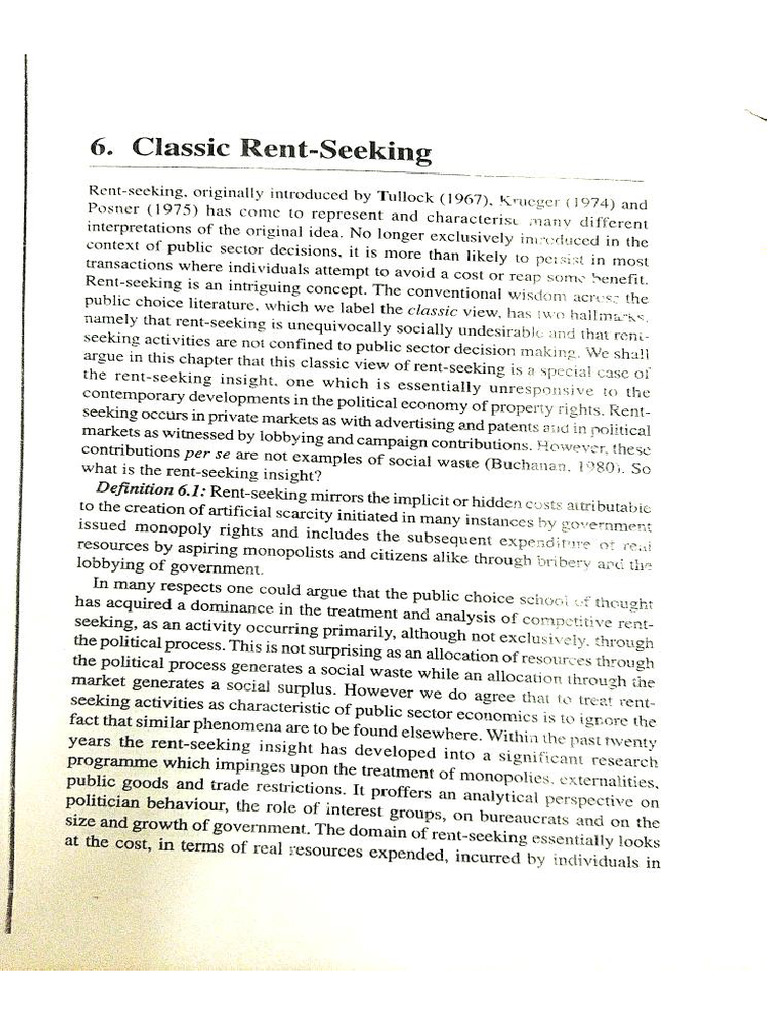
Imagine an enormous tree thriving in a bustling forest. This tree, representing capitalism, stretches its branches wide, promising fruit to those who toil beneath it. Yet, amidst the forest floor, there lurks a subtle parasite—rent-seeking—that siphons nutrients not by growing or nurturing the tree, but by exploiting its very existence. This insidious phenomenon reveals a fundamental flaw in capitalism’s design: the inadvertent reward of unproductive extraction rather than genuine innovation or value creation. Exploring this error unveils a complex interplay between economic incentives, human nature, and systemic distortions that shape the landscape of wealth and power.
The Anatomy of Rent-Seeking: Parasites in the Economy
Rent-seeking can be likened to a crafty gardener who, instead of cultivating new seeds, devotes energy to commandeering the fruits already produced by others. The term encapsulates efforts to gain economic rent—excess returns beyond what would be warranted by competition—through manipulation or exploitation rather than productive contribution. Unlike entrepreneurial ventures that expand the pie through innovation, rent-seekers strive to rearrange the existing slices in their favor.
This behavior manifests in myriad forms: regulatory capture, lobbying for special privileges, monopolistic practices, or manipulating market conditions. The peculiarity lies in its zero-sum nature; rent-seeking reallocates wealth without generating new wealth, effectively stalling economic progress and eroding the foundational meritocracy capitalism champions.
Capitalism’s Paradox: Incentivizing Extraction Over Creation
Capitalism idealizes the free market as an arena where merit and ingenuity dictate rewards. Yet, within its vast machine, incentives sometimes perversely favor rent-seeking. This paradox springs from the system’s reliance on profit maximization as a guiding principle. When returns on rent-seeking outpace those from innovation, rational actors gravitate toward the easier route of appropriation.
Such dynamics resemble a river diverging to flow along the path of least resistance. Rather than cutting new channels of economic growth, capitalists may channel their resources into lobbying walls or legal barrages that fortify their existing positions. This behavior stifles competition, breeds complacency, and cripples the evolutionary vitality capitalism depends upon.
The Societal Costs: Stifled Innovation and Widened Inequality
The ramifications of rewarding rent-seeking stretch far beyond corporate balance sheets; they imprint deeply on social fabric. When economic actors extract rent, resources are diverted from avenues that foster technological breakthroughs or enhanced productivity. Consequently, innovation stagnates, leaving society tethered to outdated paradigms.
Moreover, rent-seeking exacerbates inequality. Entrenched elites embed themselves within political and economic institutions to perpetuate their dominance, constructing barriers to entry for aspiring competitors. This rentier class accrues disproportionate wealth, not by merit, but through systemic favoritism, undercutting the democratic ideals that often undergird capitalist societies.
Structural Drivers: Why Capitalism Fails to Check Rent-Seeking
Several structural aspects of capitalism inadvertently nurture rent-seeking. First, asymmetries of information empower insiders to manipulate markets obscured from public scrutiny. Second, the intertwining of economic and political power creates fertile soil for regulatory capture—where those subject to regulations write them to their benefit.
Third, the complexity of modern economies allows intricate financial instruments and lobbying networks to operate in grey zones, escaping effective oversight. Lastly, short-termism among investors prioritizes immediate returns over long-term sustainable growth, tilting incentives towards rent extraction rather than innovation. Together, these drivers function as the unseen undercurrents steering capitalism toward rewarding the parasitic roles.
Paths Toward Redemption: Curtailing the Rent-Seeking Menace
Tackling the error of capitalism’s rent-seeking reward system requires multifaceted approaches. Transparency is paramount; shining light on regulatory processes and financial flows dilutes the ability of rent-seekers to operate in shadows. Strengthening antitrust enforcement and dismantling monopolies rekindle competitive pressures essential for innovation.
Public policy reforms must aim to disentangle economic and political power, erecting barriers to undue influence and fostering an environment where merit reigns supreme. Encouraging long-term investment with frameworks that reward sustained value creation over short-term gain can reorient capitalist incentives toward growth rather than extraction.
Reimagining Capitalism: Cultivating a Robust and Equitable Ecosystem
The metaphorical tree of capitalism can flourish if pruned and nurtured correctly. Recognizing rent-seeking as a disease within the economic organism is the first step. By recalibrating incentives to valorize creativity, risk-taking, and genuine productivity, capitalism can reclaim its promise of dynamic and inclusive prosperity.
Ultimately, the goal transcends merely restraining rent-seekers—it is about cultivating a fertile ecosystem where innovation is rewarded, opportunity is accessible, and wealth distribution reflects contribution rather than coercion. In doing so, capitalism sheds its parasitic flaws and morphs into an engine of sustainable human advancement.

