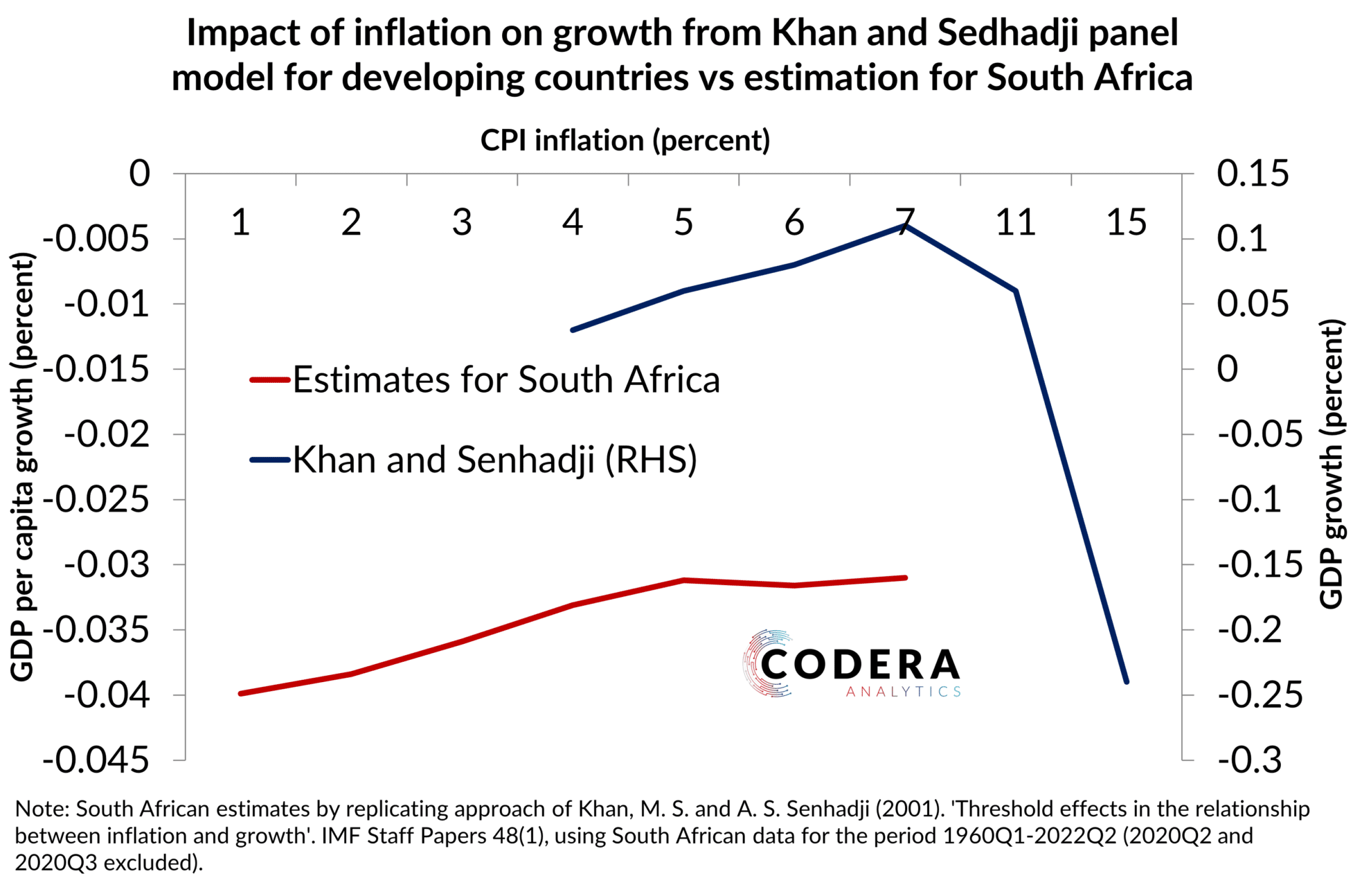
Imagine capitalism as a grand celestial dance where countless stars—entrepreneurs, consumers, policymakers—tread a stage illuminated by the flickering light of inflation. This economic phenomenon, often perceived as a mere number on a ledger or a headline scaring markets, instead plays the role of both catalyst and antagonist in the capitalist opus. Its intricate relationship with capitalism is a tale of tension and symbiosis, of balance precariously poised between prosperity and peril.
The Currency of Confidence: Inflation as Capitalism’s Thermostat
At its core, capitalism thrives on confidence—trust in markets, in the value of currency, and in the mechanisms that allocate resources. Inflation functions as a thermostat within this environment, regulating the temperature of economic activity. Moderate inflation stokes the fire of entrepreneurial ambition, encouraging spending and investment as money gradually loses its purchasing power. This phenomenon incites actors within the system to redirect capital toward ventures that promise higher returns, rather than hoarding cash that, in real terms, diminishes over time.
Yet, this is not a static mechanism. Inflation’s heat must be carefully monitored—too low, and capitalism risks slipping into the freeze of deflation and stagnation, dampening the incentive to invest or spend. Too high, and the system overheats, eroding savings and destabilizing markets. Herein lies capitalism’s unique appeal: its adaptive capacity to harness inflation’s energy for growth while negotiating its more destructive potential.
Inflation as the Veiled Arbiter of Wealth Redistribution
Inflation acts as an invisible hand shaping the distribution of wealth within capitalist society. Unlike overt redistribution mechanisms such as taxation or welfare policies, inflation subtly reconfigures ownership of value. Debtors find relief as the real value of their obligations wanes, while creditors are penalized by diminished returns. Wage earners may struggle as fixed incomes lag behind rising prices, whereas asset holders benefit as property and equity values often outpace inflation.
This dynamic introduces a paradox: capitalism champions innovation and opportunity, yet inflation can entrench inequalities if left unchecked. The uneven impact of inflation necessitates vigilant economic stewardship to maintain the open playing field that capitalism ideally aspires to provide. Thus, inflation emerges as both a facilitator and a disruptor, its dual roles reflecting capitalism’s own dichotomies.
The Entrepreneurial Furnace: Inflation’s Role in Innovation and Risk-Taking
Capitalism is fueled by risk, a relentless quest for novel solutions and market niches. Inflation, in moderate doses, functions as an entrepreneurial furnace, melting complacency and inciting actors to recalibrate strategies. When prices rise steadily, businesses face the imperative to innovate—to improve efficiency, diversify offerings, or enter new markets—to preserve profit margins.
This environment fosters a vibrant ecosystem where innovation flourishes, yet volatility is never far. Sudden inflationary surges can impose costs too heavy to bear, crashing ventures and chilling investment appetite. The entrepreneur’s dance is thus choreographed around inflation’s rhythms, requiring agility and foresight. The metaphor expands here: inflation is the alchemist’s fire that transmutes mundane enterprise into transformative innovation but can also burn down entire edifices if uncontrolled.
Monetary Policy and the Market Orchestra: Conducting Inflation’s Tempo
In the grand symphony of capitalism, monetary policy assumes the role of an orchestra conductor, wielding instruments such as interest rates and money supply to guide inflation’s tempo. Central banks engage in a delicate balancing act to avoid dissonance, attempting to sustain optimal inflation levels that encourage growth without inviting chaos.
This dynamic interplay illustrates capitalism’s susceptibility and resilience. Policy decisions ripple through markets with profound consequences—tightening monetary levers can cool inflation, but risk provoking recessions; loosening them can stimulate activity, yet risk overheating. The uniqueness of capitalism lies in this elasticity, where decentralized decision-making adjusts continually in response to the central cues, creating a dynamic, self-correcting system.
Inflation and Consumer Psychology: The Paradox of Expectation
Beyond the tangible effects of price changes, inflation infiltrates the subconscious of consumers and investors, shaping expectations that themselves drive economic behavior. Under capitalism, expectation becomes a self-fulfilling prophecy. Anticipation of rising prices may accelerate purchases, further propelling inflation—yet rampant fear of inflation can equally stifle demand, creating vacuums of economic activity.
This nexus of psychology and economics adds complexity to capitalism’s relationship with inflation, embedding a meta-layer where human sentiment can amplify or temper macroeconomic trends. The interplay resembles an intricate game of mirrors where perception molds reality, compelling actors within the system to constantly reassess their strategies and recalibrate risks.
Globalization and Inflation: Capitalism’s Expanding Canvas
The integration of global markets introduces additional texture to the capitalism-inflation relationship. Capital flows, international trade, and supply chain dynamics create feedback loops that can either stabilize or exacerbate inflationary pressures. Capitalism’s unique appeal in this context is its capacity to absorb and adapt to these complexities, leveraging comparative advantages to mitigate domestic inflation and exploit global synergies.
However, globalization also exposes vulnerabilities—external shocks, such as oil price spikes or geopolitical conflicts, can transmit inflationary pulses across borders with surprising velocity. Capitalism, in this expanded arena, must negotiate an increasingly interconnected yet unpredictable landscape, where inflation becomes a global language with local dialects.
Conclusion: Inflation as Capitalism’s Ever-Present Companion
In the grand narrative of capitalism, inflation emerges not as a mere backdrop but as a central character—complex, contradictory, and compelling. It can propel innovation, redistribute wealth, and modulate economic growth, while simultaneously imposing risks that demand vigilant management. This dialectic shapes capitalism’s distinctive appeal: a dynamic system always in motion, responsive to internal ingenuity and external forces, with inflation perpetually setting the rhythm of its dance.


