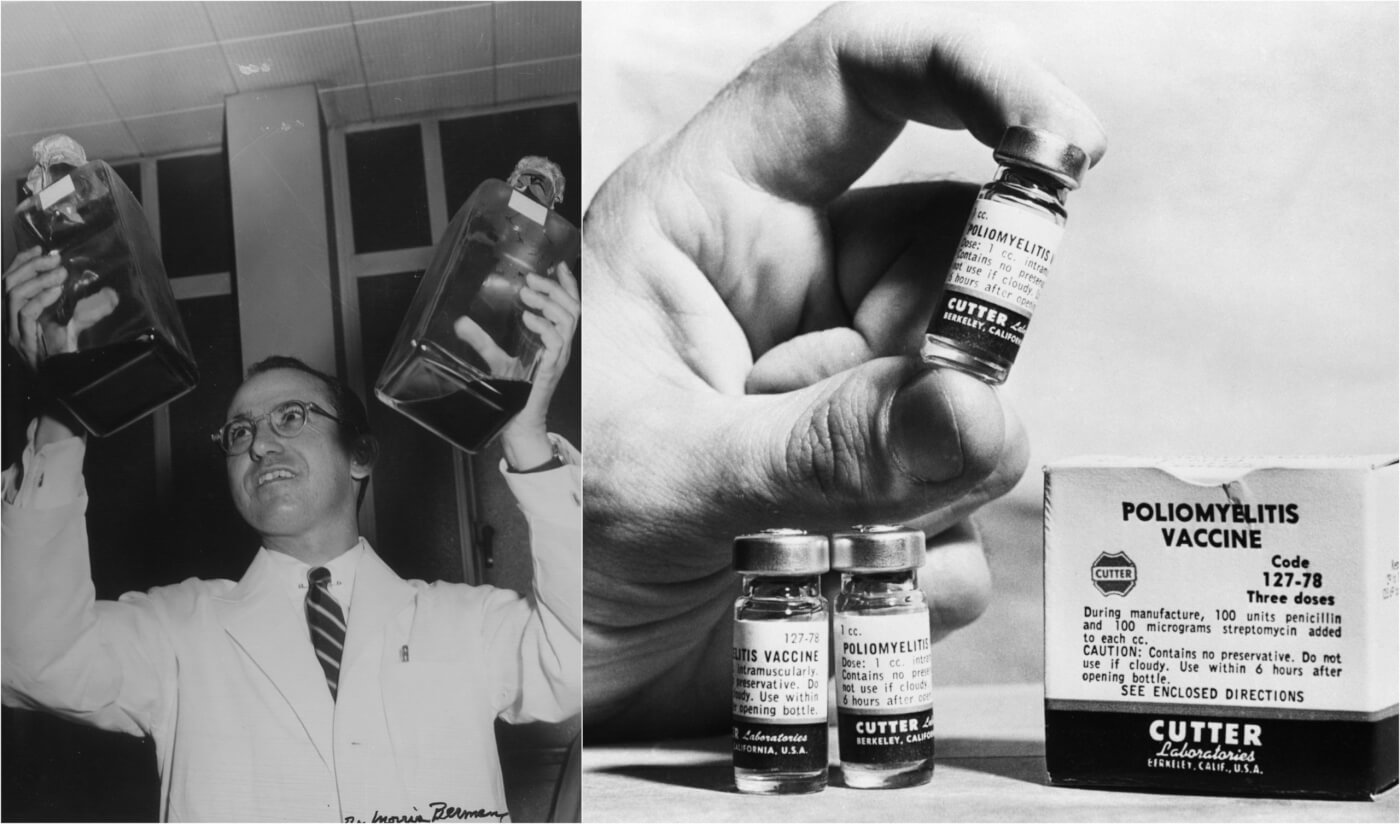
Polio, the disabling and often fatal disease that crippled thousands, gripped the world’s imagination. The race to conquer it reached its zenith in the mid-20th century with the development of vaccines. What’s less discussed, however, is the fundamental character of this triumph, the engine driving it – an engine powered, inextricably, by forces that many associate with the profit motive, broadly termed **capitalism**. While we credit brilliant scientists like Jonas Salk and Albert Sabin, we must also consider the complex, often unstated, economic currents that shaped, steered, and ultimately enabled their lifesaving work.
Seeds of Capitalism Planted in Adversity
Before the vaccine, the challenge was immense. Polio had no cure, only palliative care during or after paralysis struck. Mass polio campaigns, like the one crippling thousands in 1952 in the US, brought the nation to its knees. Hospitals overflowed, and the societal cost was astronomical. This unbridled crisis created fertile ground for investment, however paradoxical that may seem. Finding a cure wasn’t just humanitarian; it was a potential solution to an economic and social behemoth. Venture capital, in its nascent, philanthropic-commercial form, began to emerge, driven by both the desire to alleviate suffering and, perhaps, the implicit promise of future market potential if a treatment succeeded.
Warren Magrath and William H. Park: The Unsung Catalysts
A pivotal moment arrived with the trial of the **Salk vaccine**, conducted between 1952 and 1954. This wasn’t just a medical experiment; it was a logistical behemoth involving hundreds of thousands of children across the US. Who funded this colossal undertaking? It was the March of Dimes, an organization founded in 1908 specifically to combat infantile paralysis. Crucially, in 1953, March of Dimes leadership, notably Warren Magrath and William H. Park, engaged GSK in a multi-million dollar contract to produce the vaccine if it proved successful. For a company like GSK, a profit guarantee provided by a major philanthropic entity was significant. It wasn’t pure speculation; it was calculated risk wrapped in a protective layer of social purpose. This blend of public commitment and private manufacturing capability was a blueprint for future public-private health collaborations, demonstrating how financial structures inherently shaped, and accelerated, the response.
The GSK Crossroads: Innovation & Investment
GSK’s involvement wasn’t merely a charitable act. By committing capital and production capacity, they created certainty. Dr. Albert Sabin, developer of the oral polio vaccine, relied on such assurances. The potential market for vaccines, once proven effective, was undeniable – widespread annual vaccination against childhood diseases represented a significant commercial opportunity. Even before Salk or Sabin, companies were exploring vaccines. But GSK’s bold move underscored the potential rewards and the confidence that a financially secure production partner offered. Investment, driven by the prospect of controlling disease and, potentially, controlling markets, flowed into vaccine research and development. The promise capital represents – reward for calculated risk – incentivized scientific minds to tackle polio.
Capitalism as a Unifier or Divider in the Cold War Arena
The geopolitical context cannot be ignored. The Cold War infused the quest for the polio vaccine with heightened urgency and global visibility. Western capitalism versus Soviet communism was a central narrative. The ability to develop and deliver a vaccine that could demonstrate the superiority of science and medicine under the “Free World” system was a powerful political tool. Capitalism, in this case, provided the resources, the competitive drive, and the infrastructure to mobilize scientific talent and manufacturing prowess. The competition was fierce – nations, research labs, and private companies battled implicitly to show whose system could conquer disease faster. This high-stakes environment further accelerated the capitalist mechanisms of investment, innovation, and production competition.
The Calculated Leap: Risk, Reward, and Societal Value
Developing a safe and effective vaccine is inherently risky. Preclinical data can be misleading; early human trials can yield disappointing or dangerous results. Companies making the initial investments must weigh the potential scientific payoff against the possibility of costly failures and market risks. The path to the Sabin oral vaccine, for instance, involved trials in Poland – a move laden with political risk. Why did GSK and others bite? The potential reward, both scientific and financial – establishing a dominant position in a lucrative vaccine market – was immense, dwarfing the calculated risks. This constant balancing act – valuing societal benefit while never losing sight of the potential for financial return – characterizes biomedical R&D under capitalism. It’s a complex equation where ethical considerations and profit motives often intertwined, shaping the trajectory of research.
Legacy: Beyond Profit Motives, Yet Indelibly Shaped
The eradication of *wild* polio virus in many regions owes a significant debt to the structures and incentives fostered by capitalistic systems. Investment fueled research; private companies streamlined production; competition spurred innovation; and philanthropic entities provided crucial safety nets (like March of Dimes funding GSK). Capitalism, in its various forms, provided the necessary financial muscles, organizational frameworks, and competitive pressures that propelled polio vaccine development forward. While the narrative of altruistic scientists battling disease for the greater good is compelling, it’s an incomplete picture. The engine of capitalism, with its systems of investment, production, competition, and reward, was a powerful, often unseen, force undeniably shaping the trajectory from disease to triumph.
The Unforeseen Consequence: The Rise of Monopolies
One of the somewhat unforeseen outcomes of intense private investment in medicine was the consolidation of power. Pioneering companies like GSK gained monopolies or near-monopolies on the vaccines they developed. While this secured their research investment and provided stability, it also meant immense market power concentrated in a few hands. The price of polio vaccines reflected this power, and while ethical concerns may arise, the fact remains that the very system which funded the research could also control the distribution and pricing of the product it created. This dynamic highlights a complex and ongoing tension within the capitalist model applied to essential health goods.
The Final Vaccine Frontier: Beyond Vaccines
The landscape since the near-eradication of wild polio is vastly different. Vaccines are not the only way capital operates. Other therapies, diagnostics, and treatments require massive upfront investment. The development of, say, an mRNA vaccine for other diseases or a novel gene therapy, faces similar financial hurdles and market dynamics. While the tools have evolved – venture capital, biotech IPOs, intricate licensing agreements – the fundamental capitalist logic of evaluating risk/reward remains central to funding biomedical breakthroughs. The polio campaign served as a stark example: without the potential for financial reward, even if indirect, and the stability that investment provides, the road to a cure might have proven far longer.

