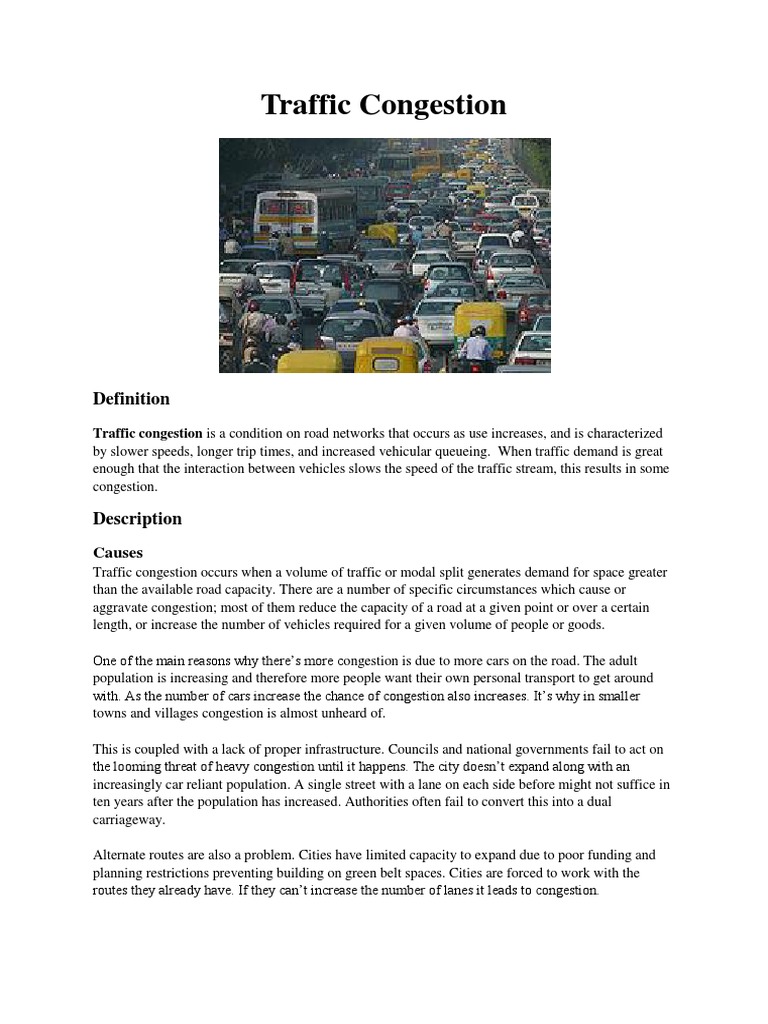
Picture a sprawling metropolis as a living, breathing organism, its veins filled not with blood but with the ceaseless flow of vehicles. Traffic congestion emerges as the urban equivalent of a clot—an obstacle that stifles vitality, sows frustration, and diminishes productivity. Yet within the intricate ecosystem of modern economies, capitalism offers a unique and compelling toolkit to address this persistent ailment. Its market-driven mechanisms, innovative incentives, and dynamic adaptability paint a fascinating tableau for mitigating traffic woes in a world perpetually on the move.
The Invisible Hand Steering Traffic Flow
At the heart of capitalism lies the principle of the invisible hand, a metaphor coined by Adam Smith to describe how individual self-interest can inadvertently promote societal good. When applied to traffic congestion, this concept manifests in the use of pricing strategies to regulate demand. Congestion pricing, for example, is a quintessential capitalist solution: by imposing fees for road usage during peak hours, it harnesses economic signals to gently nudge drivers toward off-peak travel, public transit, or alternative routes.
These monetary incentives effectively convert the once “free” commodity of road space into a scarce, valuable asset traded in real-time. The result? A more efficient allocation of infrastructure, where those who value speed and convenience are willing to pay a premium, while others might seek cheaper, slower alternatives. This pricing mechanism subtly redistributes demand, unclogging arterial highways without the need for heavy-handed regulation or infrastructural expansion.
Market-Driven Innovation: Technology as the Vanguard
Capitalism thrives on innovation, relentlessly pushing the frontiers of technology to unlock new possibilities. Within the realm of traffic congestion, this translates into an arsenal of smart solutions powered by competitive markets and entrepreneurial vigor. From ride-sharing platforms to autonomous vehicles and real-time navigation apps, market actors deploy sophisticated algorithms and vast datasets to optimize the flow of vehicles.
Consider the rise of dynamic ride-hailing services that synergize supply and demand with surgical precision. These platforms do more than just offer convenience; they reduce empty vehicle miles, offer flexible carpooling options, and create more efficient trip matching. Unlike state-owned enterprises constrained by bureaucratic inertia, private companies can experiment with rapid iterations, scaling successful models and abandoning flops with agility.
Infrastructure Investment Through Public-Private Synergies
Capitalism’s approach to resolving congestion is not limited to market mechanisms alone; it also embraces the fusion of public responsibility and private entrepreneurship. Public-private partnerships (PPPs) have emerged as potent vehicles for financing, constructing, and operating transportation infrastructure tailored to market demands. Such collaborations marshal private capital, expertise, and innovation while aligning with public policy goals.
This symbiotic relationship accelerates the development of express toll lanes, intelligent transport systems, and alternative transit modes. It externalizes financial risk away from taxpayers, encourages cost efficiencies, and insulates projects from political volatility. Consequently, it becomes possible to deliver smarter roads and transit networks that adapt to shifting commuter patterns and evolving urban landscapes.
Economic Incentives for Behavioral Transformation
Beyond infrastructure and technology, capitalism excels in fostering behavioral metamorphosis by leveraging economic incentives. Employers, for instance, can incentivize telecommuting, staggered work hours, or subsidies for public transit use—all fueled by cost-benefit calculations that balance productivity and individual well-being. These initiatives systematically alter travel demand curves, easing pressure on transportation networks during critical periods.
Insurance companies also play a subtle but pivotal role by adjusting premiums according to driving habits and times, nudging commuters toward safer and less congested travel windows. The sheer plurality of market-based incentives creates a mosaic of options that empower individuals to make choices aligned with their preferences, budgets, and schedules, collectively dissipating bottlenecks.
The Challenge of Market Failures and Equity Considerations
While capitalism’s remedies for traffic congestion resonate with efficiency and innovation, they are not free from caveats. Market failures—such as externalities, information asymmetries, and monopolistic practices—can undermine the optimal function of congestion pricing and infrastructure provision. Without careful oversight, tolls may disproportionately burden lower-income populations, exacerbating social inequalities.
Addressing these dilemmas requires a nuanced blend of targeted subsidies, sliding scale pricing, and reinvestment of collected fees into affordable transit alternatives. Capitalism, when paired with thoughtful regulation, has the dexterity to design equitable frameworks that balance market efficiency with social justice, ensuring that the benefits of unclogged highways are not the exclusive privilege of the affluent.
Future Horizons: Capitalism’s Evolving Role in Urban Mobility
As cities metamorphose under the weight of growing populations and environmental imperatives, capitalism’s role in solving traffic congestion will continue to evolve. The interplay of artificial intelligence, blockchain-enabled smart contracts, and decentralized transportation networks hints at a future in which traffic management is profoundly democratized and hyper-responsive.
Such developments may further dissolve traditional silos between private enterprise, government, and citizens, fostering a participatory marketplace of ideas and services. Capitalism’s inherent capacity for resilience and adaptation positions it as both architect and catalyst for a new era of urban mobility—where congestion is no longer a stagnant obstacle but a dynamic challenge continuously mitigated by the invisible yet ever-present hand.


