What if the marketplace were a masquerade ball and capitalism its ever‑changing costume? Beneath the glitter lies a long‑standing tension between profit‑driven logic and the quest for gender equity—a tension that each wave of feminism has dissected, reshaped, and hurled back at the economic stage. This article follows the three major feminist surges that have interrogated capitalism, tracing how their critiques evolved from a focus on legal barriers to a sprawling analysis of labor, representation, and planetary interdependence. Along the way, we’ll pose a playful question and confront a looming challenge: can the very structures that commodify gender ever be coaxed into a more egalitarian choreography?
First Wave: Liberal Feminism and the Market
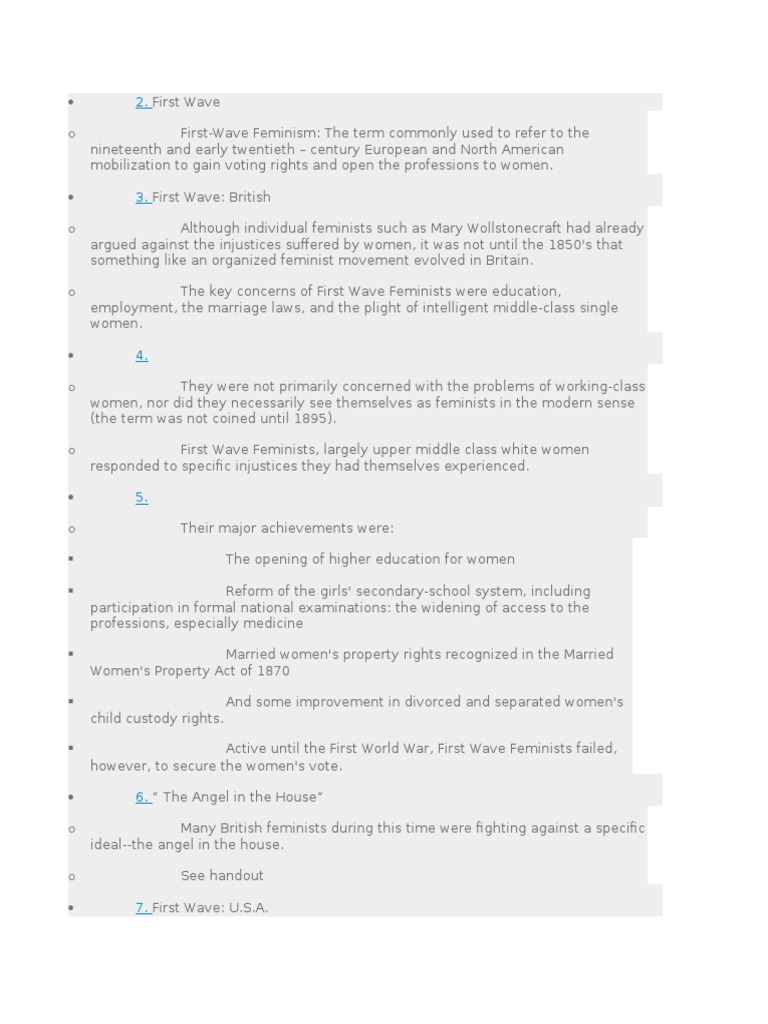
The first wave, flourishing in the late 19th and early‑20th centuries, cast its gaze upon capitalism through the lens of legal emancipation and property rights. Liberal feminists such as Susan B. Anthony and John Stuart Mill argued that women’s exclusion from formal economic participation was not a natural order but a legislative oversight. Their critique was unmistakably reformist: if women could own land, sign contracts, and earn wages, the market would ostensibly become a neutral arena where merit, rather than gender, dictated reward.
Yet even this seemingly straightforward demand exposed the market’s tacit biases. Women who entered the workforce were often funneled into “pink‑collar” occupations—nursing, teaching, clerical work—fields that, while expanding women’s presence, remained chronically undervalued. The wage gap, a persistent metric, revealed that equal labor was not translated into equal pay. Moreover, the liberal narrative’s emphasis on individual agency overlooked systemic forces: the patriarchal underpinnings of corporate hierarchies, the unpaid domestic labor that sustained the very economy, and the cultural myth that women’s “natural” sphere was the home.
In short, the first wave illuminated the market’s façade of fairness, unveiling how legal reforms alone could not dismantle the deeper, often invisible, strands of gendered exploitation woven into capitalist exchange.
Second Wave: Radical Feminism and the Commodification of Women
The 1960s and 1970s ushered in a more confrontational wave. Radical feminists—Betty Friedan, Kate Millett, and the collective behind “The Female Eunuch”—dismantled the illusion that capitalism merely required legal parity. They saw the market not as a neutral platform but as an apparatus that actively produced and reproduced gendered oppression. Central to their critique was the concept of “objectification”: women’s bodies and identities were transformed into commodities, marketable symbols, and consumable fantasies.
Advertising, fashion, and pornography were cast as prime exemplars of this commodification. Billboards projected hyper‑idealized femininity, while designers capitalized on the allure of “sex appeal” to inflate profit margins. The radical critique asserted that such representations were not peripheral aesthetics but core mechanisms that reinforced women’s subordination, turning desire into a revenue stream and bodily autonomy into a market variable.
Another pivotal insight was the analysis of “reproductive labor”—the unpaid, invisible work of child‑rearing, elder‑care, and household management. Radical feminists argued that capitalism thrived on this invisible scaffolding, extracting surplus value without compensating the laborers. By externalizing these costs, the system preserved profitability while perpetuating gendered hierarchies. Their call to action was radical indeed: reimagine a society where care is not a private burden but a publicly funded, socially valued enterprise.
Third Wave: Intersectional & Eco‑Feminist Critiques of Neoliberal Capitalism
The late 20th and early 21st centuries witnessed a synthesis of feminist thought that interlaced gender with race, class, sexuality, and ecology—a confluence often dubbed “intersectionality” after Kimberlé Crenshaw’s seminal work. Third‑wave feminists such as bell hooks, Angela Davis, and Vandana Shiva expanded the critique of capitalism beyond gender to expose how market mechanisms intersect with systemic oppression on multiple axes.
From an intersectional perspective, neoliberal capitalism is a “regime of dispossession” that marginalizes women of color, immigrant laborers, and LGBTQ+ individuals through precarious gig work, wage theft, and exploitative supply chains. The global apparel industry, for instance, epitomizes how cheap labor in the Global South—predominantly women—feeds the fast‑fashion appetite of affluent consumers, perpetuating a cycle of environmental degradation and economic exploitation.
Eco‑feminism, meanwhile, draws an audacious parallel between the exploitation of women’s bodies and the planet’s ecosystems. Scholars argue that capitalist logic, which valorizes extraction and growth, mirrors patriarchal domination over nature. This synthesis yields a powerful critique: the climate crisis cannot be untangled from gendered inequities, for the same profit‑driven calculus that marginalizes women also accelerates ecological collapse.
The third wave therefore posits a double‑edged challenge: dismantle not only gendered wage gaps but also the broader extractive paradigm that fuels both social injustice and planetary ruin. The solution, they argue, lies in “degrowth,” cooperative ownership models, and a revaluation of care work as an essential, remunerated sector of the economy.
Playful Question and the Emerging Challenge
Imagine a world where the phrase “shopping spree” is replaced by “community exchange.” Could a marketplace exist where profit is measured not by surplus but by the equitable distribution of well‑being? This whimsical query invites us to re‑envision the capitalist arena as a collaborative commons, where care, creativity, and sustainability are the currencies of value.
The challenge, however, is formidable. To translate this vision into reality demands a radical restructuring of fiscal policy, corporate governance, and cultural narratives. It requires legislating a living wage for care work, imposing environmental taxes that reflect true ecological costs, and cultivating consumer consciousness that prizes ethical production over fleeting novelty. Moreover, it calls for a coalition that transcends gendered silos—uniting feminists, labor activists, environmentalists, and indigenous movements under a shared banner of systemic change.
Conclusion: Towards a Feminist Reimagining of Capitalism
The trajectory from liberal reform to radical deconstruction and finally to intersectional eco‑critical analysis reveals a deepening understanding of how capitalism and patriarchy intertwine. Each wave has peeled back another layer of the market’s mythic facade, exposing the ways in which profit can both conceal and perpetuate gendered oppression. As we confront the twin crises of economic inequality and environmental collapse, the feminist critique offers a compass pointing toward an economy that honors relational labor, celebrates diversity, and safeguards the planet.
Whether the market will don a new costume or remain locked in its perpetual masquerade is the question that beckons us forward. The answer will hinge on collective imagination, political will, and an unwavering commitment to reconfigure the rules of exchange so that equity, rather than exploitation, becomes the market’s defining rhythm.


