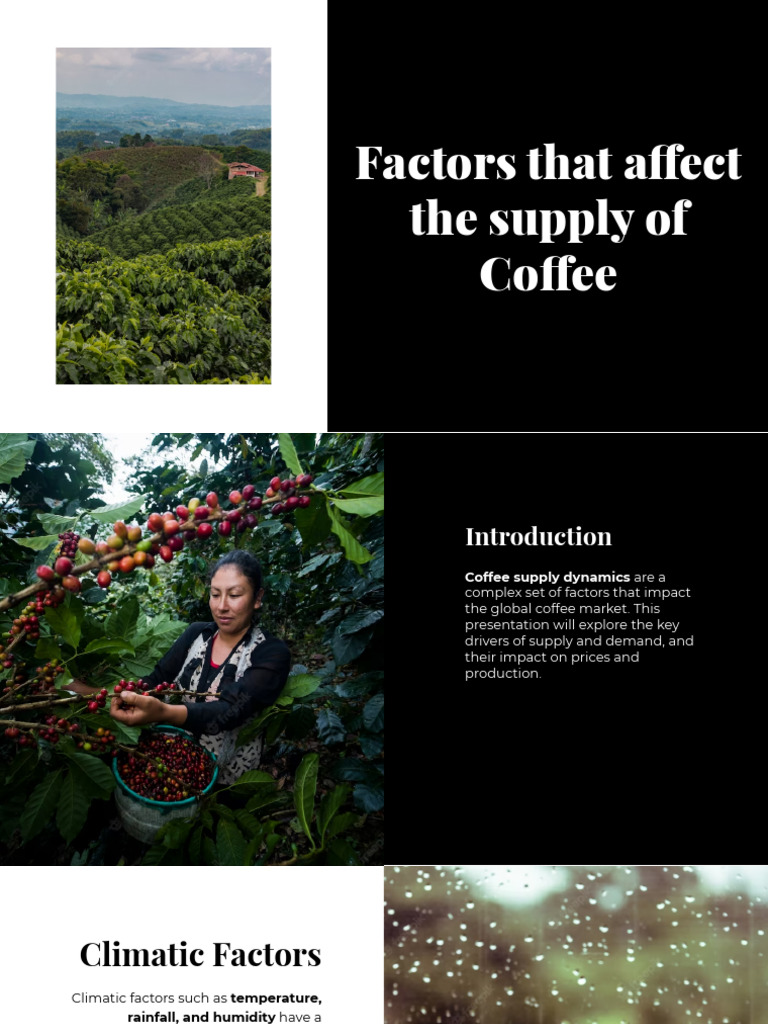
The morning ritual of sipping a steaming cup of coffee carries more than just the aroma and flavor—it reflects an intricate interplay of economic systems, international markets, and global capitalism. The price you pay for that cup is not merely about supply and demand; it’s deeply entangled with the forces of capitalism that shape production, distribution, labor, and consumer behavior. Understanding how capitalism affects your coffee price unravels a multifaceted narrative of markets, power dynamics, and economic choices made far beyond your local café.
The Global Coffee Market: An Arena of Capitalist Competition
At the heart of coffee pricing lies the global coffee market, where capitalism thrives on competition among producers, exporters, and sellers. Coffee is one of the most traded commodities worldwide, with billions of dollars shifting hands annually. Capitalism’s inherent nature urges participants to maximize profits, often by streamlining costs, optimizing production methods, or tapping into emerging markets. These activities impact both the availability and the price of coffee beans on world exchanges.
Within this marketplace, prices are subject to volatility influenced by geopolitical events, climate change, and shifting consumer preferences. Capitalism encourages firms to speculate on futures contracts, trying to anticipate supply shortages or surpluses, which further injects volatility into pricing structures. This speculative behavior can lead to price spikes or drops that are sometimes disconnected from actual coffee consumption trends but firmly rooted in capitalist profit-seeking maneuvers.
Production Costs and the Role of Corporate Agribusiness
The journey from coffee cherry to coffee cup involves multiple stages that capitalism transforms into cost centers and profit margins. Large agribusiness conglomerates dominate the production landscape, leveraging capital to exert control over plantations, processing facilities, and distribution channels. Their scale enables economies that small farmers often cannot match, but this capitalist consolidation comes with consequences.
Costs of production—including labor, fertilizers, machinery, and land—are minimized using capitalist efficiencies or subcontracted farming systems. While this can lower consumer prices initially, it may also depress wages of farm workers or push smallholder farmers into precarious economic conditions. Capitalism incentivizes efficiency but sometimes at the expense of ethical considerations, creating a tension between affordability and fairness in coffee pricing.
Supply Chain Dynamics: From Commodities to Coffee Shops
The capitalist model revolutionizes how coffee moves along the supply chain, transforming raw beans into premium products with escalating price tags. After production, coffee beans traverse an intricate network of exporters, importers, roasters, and retailers, each adding layers of value—and cost. In capitalist economies, each actor aims to increase profit margins, leading to markups that compound along the chain.
For instance, roasters invest heavily in branding, roasting technology, and marketing to differentiate products and capture consumer loyalty. Specialty coffee markets emerge as a capitalist response to consumers’ willingness to pay a premium for perceived quality or ethical sourcing credentials. Such differentiation, while enriching consumer experience, also complicates pricing structures, making some coffee offerings accessible only to higher-income segments.
Labor and Capital: Ethical Implications Behind Coffee Pricing
Capitalism’s influence on labor is a crucial factor moderating the final coffee price. Café workers, baristas, pickers, and processors each inhabit a segment of the coffee economy where wages, conditions, and bargaining power vary drastically. Capitalist frameworks prioritize cost minimization, pushing labor costs down when possible to enhance profitability.
At the origin points—in coffee farms—capitalism-driven externalities often translate into underpaid laborers who work under challenging conditions. While fair trade and direct trade initiatives attempt to counterbalance this, they operate within a capitalist market and cannot fully insulate prices from broader economic forces. Consumers may pay more for ethically sourced coffee, reflecting capitalism’s complex interaction with labor valuation and consumer consciousness.
Consumer Behavior and Price Elasticity in Capitalism
The final price of coffee is also shaped by consumer preferences and purchasing power within capitalist societies. Consumerism fuels demand, and the willingness to pay varies widely across different demographics and cultures. Capitalism exploits this by offering a spectrum of coffee experiences—from inexpensive bulk coffee to high-end artisanal blends—each priced according to perceived value and market segmentation.
Price elasticity plays a significant role here. As incomes rise, consumers might shift towards premium coffee products, supporting a price stratification facilitated by capitalist competition. Conversely, during economic downturns, demand may tilt towards budget-friendly options, pressuring suppliers to adjust prices downward or innovate more cost-effective methods. Capitalism continuously orchestrates this dance between demand, supply, and price sensitivity.
Global Economic Forces: Inflation, Currency Fluctuations, and Trade Policies
Macroeconomic factors intrinsic to capitalist economies further influence coffee prices in profound ways. Inflation, currency exchange rates, and international trade policies modulate the cost structure behind coffee transactions. For example, if the currency of a coffee-exporting country depreciates, the dollar price of coffee might drop, temporarily benefiting consumers in importing nations.
However, capitalist trade liberalization and tariffs can alter this equilibrium. Policies promoting free trade increase competition and potentially lower prices. Conversely, protectionist measures or increased tariffs might raise costs along the supply chain. Inflation raises input costs for production and transportation, which commonly reflect in retail prices. Understanding these global economic currents reveals the complex capitalist currents steering your coffee’s cost.
Technological Innovation and Capital Investment in Coffee Production
Capitalism thrives on innovation and capital investment, both of which have reshaped coffee production and pricing. Mechanization, advanced irrigation techniques, and agronomic research improve yields and resilience against pests or climate disturbances. These innovations require substantial investment, often by multinational corporations, but can stabilize supply and potentially reduce prices.
However, such technological upgrades may also erect barriers for smallholder producers lacking capital access, further concentrating production capacity under capitalist enterprises. This concentration can influence market dynamics, affecting price negotiations and reducing competition in some niches. The interplay between innovation, capital allocation, and market power underscores capitalism’s layered impact on coffee prices.
The Future of Coffee Pricing in a Capitalist World
The capitalist framework governing coffee pricing is ever-evolving, shaped by emerging trends like sustainability, consumer activism, and digital marketplaces. Ethical consumerism and transparency movements challenge traditional pricing models, demanding greater accountability and willingness to pay premiums for sustainable practices. At the same time, technology-enabled direct-to-consumer sales disrupt entrenched supply chain actors.
Ultimately, the price of coffee reflects capitalism’s ongoing negotiation between demand, supply, profit, and social responsibility. Awareness of these forces empowers consumers to make informed choices—not just about price, but about the broader impact of their morning cup. In this nexus of economics and culture, capitalism’s fingerprints are unmistakable, continually rewriting the economics behind every coffee transaction.

