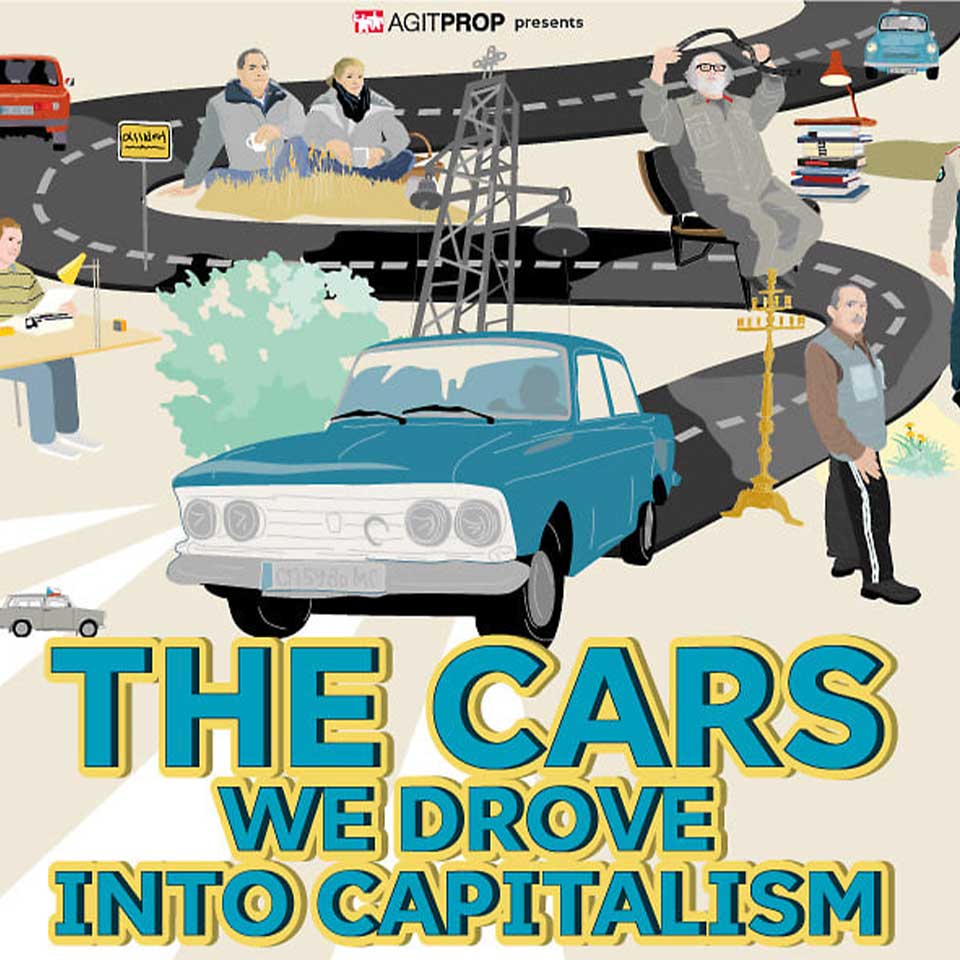
Cars have long held a magnetic allure over society, transcending their mere function as modes of transportation. The ritual of purchasing a car has evolved in tandem with economic systems, none more so than capitalism. While on the surface, buying a car seems straightforward—a simple transaction between buyer and seller—the undercurrents powered by capitalism have fundamentally reshaped the experience, the expectations, and even the symbolism attached to automobiles. The fascination with cars reflects deeper societal narratives about identity, freedom, and prosperity, all intricately woven into the fabric of capitalist consumer culture.
The Democratization of Car Ownership
At the dawn of the 20th century, automobiles were symbols of extraordinary wealth and innovation, accessible only to an elite few. The incipience of capitalism fostered mass production techniques, particularly epitomized by Henry Ford’s assembly line, which radically lowered costs. This shift transformed the car from an extravagant luxury to an attainable commodity for the burgeoning middle class. Capitalism’s inherent drive to expand markets democratized car ownership, turning it into a widely pursued aspiration rather than an exclusive privilege. In this process, the cultural symbolism of cars changed as well: from status icons to instrumental tools of personal freedom and economic participation.
Consumerism and the Cultivation of Desire
Capitalism thrives on perpetuating desire and converting needs into continual consumption. The automobile industry became a paragon of this phenomenon. Beyond mere utility, cars were marketed as embodiments of lifestyle, success, and individuality. Advertising campaigns meticulously crafted narratives that associated certain car models with adventure, sophistication, or rebellion. This cultivated an emotional engagement that transcended practicality. The decision to purchase a car thus became intertwined with personal identity and social aspirations, making the transaction as much about the self as it was about transportation. Over time, new models and features have been continuously introduced, emphasizing innovation, luxury, and exclusivity to stimulate recurrent consumer interest.
Financing and the Expansion of Credit Culture
Capitalism’s enabling of credit systems revolutionized the way cars are purchased. Historically, automobiles demanded substantial upfront capital, restricting their acquisition to those with immediate funds. The evolution of auto loans and leasing arrangements shifted this paradigm, embedding car ownership within the broader domain of consumer credit. This financial innovation democratized access further, but also tethered buyers to long-term indebtedness, reflecting a broader capitalist reliance on perpetual consumption. The proliferation of flexible financing options, while facilitating access, paradoxically deepened the commodification of cars—treating them less as assets and more as ongoing expenses within a cycle of consumption and replacement.
The Role of Innovation and Planned Obsolescence
Capitalism’s emphasis on progress fuels relentless innovation in automotive technology. Advances in safety, performance, design aesthetics, and environmental efficiency have continually altered consumer expectations. Yet, alongside genuine innovation exists the strategic practice of planned obsolescence—a deliberate acceleration of product cycles to encourage more frequent purchases. This phenomenon intensifies the allure of the “new” while rendering previous models technologically or stylistically outdated. Consumers are thus caught in a continuous loop of upgrading, driven by both the promise of improved utility and the subtle pressure of social currency. The automotive industry leverages this dynamic, ensuring cars remain potent symbols of modernity and status within capitalist culture.
The Impact of Globalization and Market Competition
Capitalism’s expansion into global markets has profoundly influenced car-buying behaviors and industry structures. International competition has introduced consumers to a broad palette of choices—encompassing a spectrum of price points, styles, and technological innovations. From economy vehicles designed for emerging markets to luxury models crafted for affluent urban centers, the diversity arises from the cross-pollination of global supply chains and consumer preferences. This intense competition drives manufacturers to differentiate through branding, technology, and consumer experience, continually reshaping how consumers evaluate and select cars. Capitalism’s global reach thus intensifies both the options available and the complexity of decision-making in the automotive marketplace.
Environmental Awareness and the Capitalist Market Response
In recent decades, growing ecological consciousness has challenged longstanding automotive consumption patterns. Capitalism, evolving through feedback loops involving regulation, consumer demand, and innovation, has started to pivot towards sustainability. The rise of electric vehicles, hybrid technologies, and eco-friendly materials reflects the industry’s adaptation to new capitalist market niches centered on environmental responsibility. However, this transition is multifaceted; green cars are marketed as both practical solutions and symbols of progressive identity, tapping into consumers’ desire for ethical consumption within a capitalist framework. This shift augments the traditional allure of cars, integrating ethical considerations without displacing core consumerist motivations.
The Social Dynamics of Car Ownership
Beyond economic transactions, car ownership under capitalism is deeply interwoven with social narratives. Owning a car often signifies economic achievement and personal autonomy. It functions as a social currency, signaling status, mobility, and lifestyle preferences. Capitalism’s promotion of individualism amplifies this phenomenon, as cars become extensions of the self—reflecting values and aspirations. This dynamic complicates the car-buying process; it is not merely a matter of selecting a reliable vehicle but navigating social expectations and symbolic meanings. The intrigue surrounding cars, therefore, is about connection—linking personal identity with broader cultural ideals and capitalist aspirations.
The Digitization and Personalization of the Car-Buying Experience
The digital revolution, closely entwined with capitalist innovation incentives, has transformed the car-buying journey into a hyper-personalized experience. Online platforms enable consumers to research, compare, and configure vehicles with unprecedented ease and precision. Powerful data analytics and targeted marketing amplify consumer engagement, tailoring options to unique preferences, budgets, and lifestyles. This transformation reflects capitalism’s acute ability to harness technology in deepening consumer capture, making each car purchase feel bespoke while adhering to standardized commercial formulas. The convergence of technology and consumerism has redefined not only how cars are sold but also how buyers perceive and interact with the market.
Conclusion: The Automobile as a Capitalist Icon
Capitalism has reconfigured the automobile from a mere product into a cultural artifact rich with meaning, desire, and complexity. Beyond engineering and utility, the way cars are bought today encapsulates centuries of economic evolution, societal change, and shifting individual aspirations. It is the product of intricate mechanisms—mass production, consumerism, credit, innovation, globalization, and digital transformation—all animating one of the most potent symbols of modern life. The profound fascination with cars endures because they mirror the paradoxes of capitalism itself: the simultaneous pursuit of freedom and consumption, identity and conformity, sustainability and obsolescence. Understanding this dynamic illuminates not only how we buy cars but why we continue to be captivated by them.


