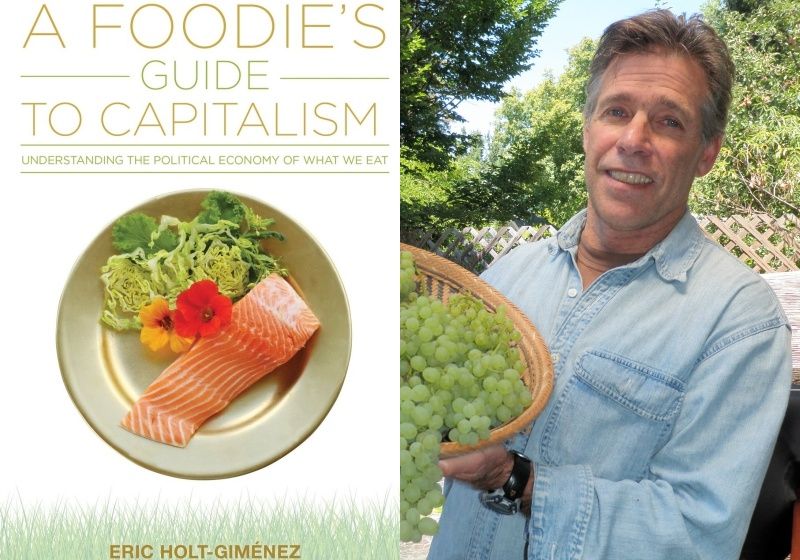
Have you ever paused mid-bite to wonder: who actually decides what lands on my plate? Is it your personal taste buds, your cultural heritage, or perhaps something less visible, a complex interplay of economic forces shaping every morsel? Behind every grocery aisle, every restaurant menu, and every fast-food combo deal lies a labyrinthine process driven by capitalism, which covertly governs not just how we eat, but what we come to consider food in the first place. This poses an intriguing challenge—how conscious are we of the market forces directing our daily consumption and the implications therein?
The Invisible Hand Behind Your Dinner Plate
At first glance, food might seem like a straightforward product of agriculture and tradition, driven purely by natural rhythms and cultural preferences. Yet, capitalism transforms food from mere sustenance into a commodified entity, subject to the whims of supply and demand, profit margins, marketing strategies, and global trade. The “invisible hand” of the market subtly curates what is cultivated, processed, and delivered to consumers, determining the availability and variety of food options. It’s no coincidence that certain products are ubiquitous while others vanish from shelves – it’s the marketplace negotiating tastes in its own language.
Farming decisions, for example, often reflect profitability rather than nutritional diversity. Commodities such as corn, soy, and wheat dominate because they serve as raw material for numerous processed products, offering a robust return on investment. The monoculture model spurred by capitalist incentives narrows biodiversity and locks entire communities into producing and consuming a limited palette of flavors and nutrients. This reductionist food landscape subtly manipulates consumer choice under the guise of abundance.
Marketing Masquerade: Crafting Desire and Defining Taste
Capitalism doesn’t merely respond to consumer preferences; it actively manufactures them through sophisticated marketing and branding. The food industry invests billions in psychological strategies designed to entice, captivate, and ultimately dictate what we crave. The science of flavor engineering, paired with relentless advertising campaigns, fosters brand loyalty and habitual consumption patterns that transcend mere hunger.
Consider the omnipresence of sugary snacks and carbonated drinks. These are not naturally preferred foods but rather creations honed to tantalize dopamine pathways and secure repeat purchases. Capitalism incentivizes the proliferation of such products because they trigger addictive consumption, maximizing profit. Over time, palates recalibrate, leaving healthy, less engineered foods at a disadvantage. What initially begins as “choice” quickly morphs into an orchestrated preference, dictated by the invisible metrics of profit maximization.
Globalization and the Homogenization of Palates
Global capitalism has tethered distant economies into integrated food systems, simultaneously broadening and standardizing what we eat worldwide. The rise of multinational agribusinesses and food corporations exports particular food models to every corner of the globe, often at the expense of local culinary traditions. As a consequence, unique, indigenous ingredients and preparation techniques face extinction, replaced by a homogenized global diet heavy in processed items.
This culinary imperialism is entwined with complex trade agreements and intellectual property rights governing seed patents and food distribution. These legal and economic frameworks amplify corporate power over food production and restrict independent farmers’ autonomy. In effect, a handful of conglomerates “feed” the world, curating flavors and food types according to their strategic interests and shareholder demands—not cultural richness or ecological sustainability.
The Price You Pay: Economic Inequality and Food Accessibility
Capitalism’s influence also starkly manifests in the unequal distribution of food resources. Economic status heavily dictates not only quantity but also quality of food accessed. Grocery stores stocked with fresh produce frequently line affluent neighborhoods. Conversely, economically disadvantaged areas often face “food deserts,” where convenience stores and fast food dominate the landscape.
Price mechanisms, subsidies, and corporate lobbying further entrench these disparities. Industrial agriculture benefits from massive subsidies, lowering cost barriers for processed food production while fresh fruits and vegetables are comparatively under-supported. The result is a paradox where cheap, calorie-dense foods thrive precisely because the system prioritizes cost-effectiveness over nutritional wellbeing. This dynamic imparts profound implications for public health, as diet-related diseases disproportionately affect lower-income populations.
The Ecology of Capitalism: Environmental Costs Embedded in Your Meal
Behind the affordable price tags of many food items lie hidden environmental costs—externalities typically excluded from market prices but absorbed by the planet. Industrial agriculture, driven by capitalist demands for scale and efficiency, contributes to deforestation, soil depletion, excessive water use, and greenhouse gas emissions. The relentless quest for profit discourages sustainable practices, favoring short-term yields over long-term ecological balance.
This fallout raises an ethical dilemma: is the capitalist food paradigm sustainable in the long term? Consumers unknowingly purchase items whose production damages ecosystems and accelerates climate change. The narrow commodification of food also marginalizes agroecological methods and community-based farming models that foster biodiversity and resilience but lack corporate patronage.
Reclaiming Agency: Towards Conscious Eating in a Capitalist Framework
Given this intricate web, can consumers extricate their dietary decisions from capitalist dictates? While the market is a powerful force, it is not immutable. Rising awareness about the socio-economic and ecological implications of eating is encouraging shifts in consumption behavior and food production systems. Movements advocating for local sourcing, organic farming, fair trade, and plant-based diets challenge capitalist norms and offer alternative paradigms.
By scrutinizing supply chains, supporting smaller producers, and demanding transparency, individuals can exert pressure that influences corporate practices. Food cooperatives, community-supported agriculture, and farmers’ markets exemplify models that prioritize people and planet over profit. Still, the challenge remains colossal. Changing deeply entrenched consumer habits and dismantling systemic inequalities requires more than personal choice; it demands collective action and policy reforms that realign capitalism’s incentives with holistic wellbeing.
Conclusion: The Palate as a Political Frontier
The next time you select your meal, ask yourself: whose interests does this choice serve? Capitalism is an omnipresent force shaping the edible landscape, from seed to table, quietly yet decisively influencing your palate, health, and environment. Recognizing this is the first step in reclaiming autonomy over what you eat. Beyond sustenance, food becomes a political arena where culture, economy, and ecology intersect—inviting each of us to consider not just flavor, but the formidable forces determining the very nature of our nourishment.

