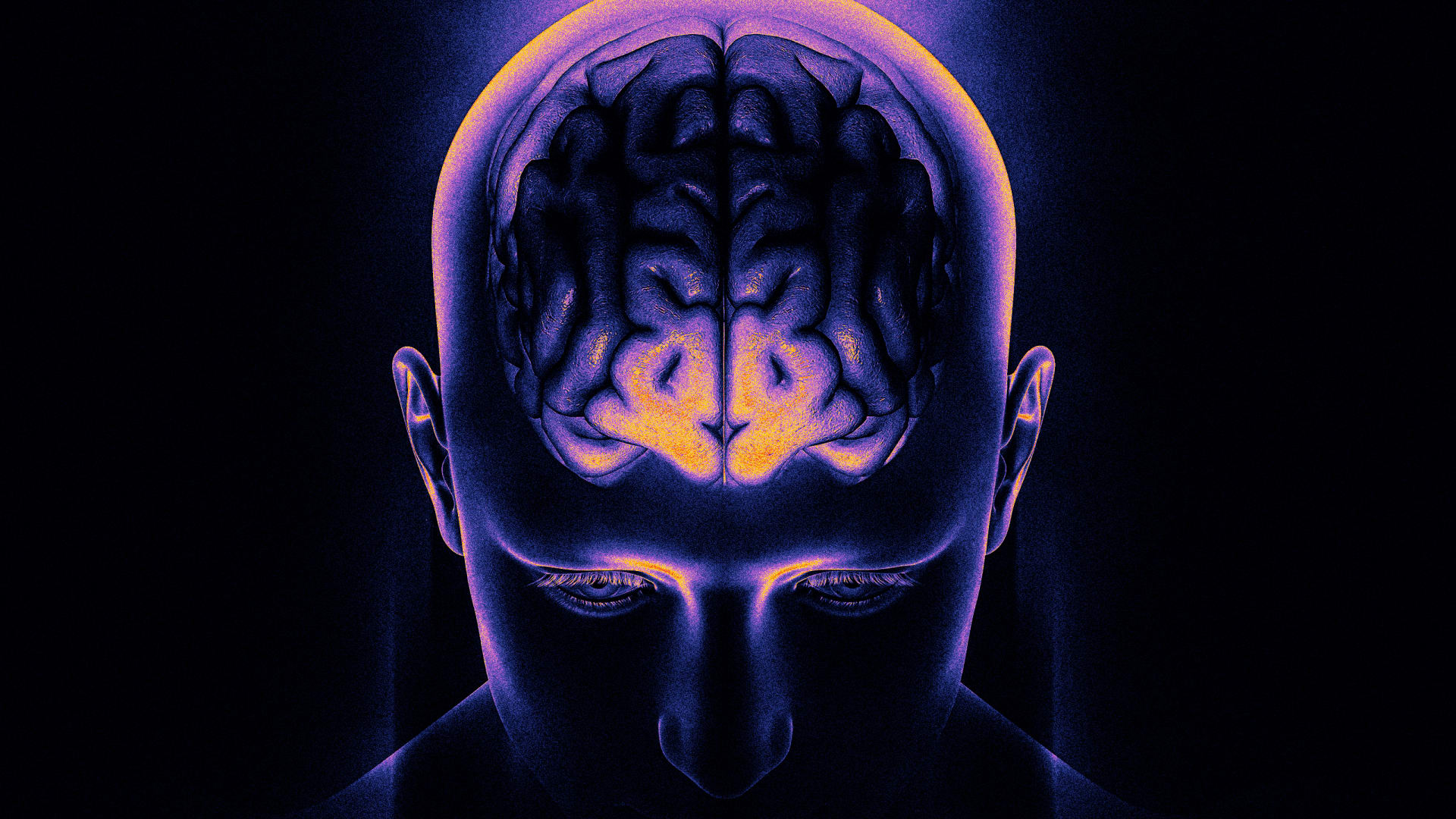
In the labyrinth of modern consumption and relentless innovation, an invisible puppeteer tugs at the strings of our brains, leveraging one of our most fundamental neurochemical processes: dopamine. This neurotransmitter, often simplistically understood as the brain’s “pleasure molecule,” is far more intricate in its workings. It governs our anticipation, reward, and motivation, weaving into the fabric of decision-making and behavior. Capitalism, as a system predicated on perpetual growth and consumption, has learned to capitalize on this neurochemical dance, subtly but powerfully manipulating dopamine to fuel a cycle of desire and acquisition. What if the craving for “more” isn’t a quirk of human nature but a meticulously engineered phenomenon? This exploration beckons a profound shift in perspective—challenging us to see how economic structures entangle biology with behavior, molding not only markets but minds.
The Dopamine Circuit: Beyond Pleasure to Persistent Pursuit
Dopamine’s role extends far beyond just producing fleeting moments of pleasure. At its core, dopamine mediates the anticipation of reward rather than the reward itself. The surge of dopamine is not merely a reaction to satisfaction but a powerful motivator that propels individuals toward future rewards. This subtle difference is pivotal. Capitalism leverages this anticipatory mechanism, crafting experiences and products that promise elusive, repeatable gratification.
Advertising, product design, and user interfaces are meticulously calibrated to create a cascade of dopamine-triggering cues. Consider social media platforms, where the intermittent and unpredictable rewards—likes, comments, and notifications—engage dopamine-driven reinforcement schedules akin to gambling. It’s not the steady satisfaction but the uncertainty and anticipation that ignite dopamine’s compelling rally, fostering engagement that can border on compulsion.
Consumerism as a Dopaminergic Feedback Loop
Capitalism thrives on cyclical consumption, and dopamine is the neurochemical currency that makes this cycle self-perpetuating. When a consumer buys a new product, dopamine spikes, providing a sensation of reward. However, this spike is transient, waning soon after the purchase. The brain, fueled by dopamine’s anticipatory coding, craves another hit, propelling consumers into a repeat hunt for novelty and satisfaction.
This cycle is reinforced by planned obsolescence and the rhythmic unveiling of “new” items, creating an endless treadmill of desire. The ephemeral nature of satisfaction ensures that accumulation never satiates; instead, it cultivates a perpetual state of “wanting.” Thus, capitalism converts dopamine-driven pursuit into economic vitality, converting biological circuits into market forces.
Psychological Exploitation Through Scarcity and Urgency
Manufactured scarcity and urgency aren’t accidental marketing tactics; they are neuroscience-informed strategies designed to hyperactivate dopamine pathways. Limited-time offers, flash sales, and exclusive releases exploit the dopamine system’s sensitivity to anticipation and reward uncertainty.
This strategic scarcity triggers a fear of missing out, amplifying dopamine-driven motivation to act swiftly. The brain’s prioritization of immediate potential rewards over delayed gratification manifests in impulsive buying behaviors and heightened consumer responsiveness. In essence, capitalism weaponizes the very neurobiological processes that evolved for survival, transforming them into powerful levers of market behavior.
Digital Environments: The New Frontier of Dopamine Manipulation
The digital revolution has created unparalleled platforms for dopamine modulation. Techniques such as variable reward schedules, infinite scroll, and push notifications are digital manifestations of dopamine exploitation. These innovations craft an environment where users are in a near-constant state of anticipatory engagement.
Algorithms tailor content to individual preferences, optimizing for prolonged interaction by continuously delivering novel stimuli. This causes an overstimulation of dopamine circuits—far exceeding natural reward contexts—nudging users into extended and repeated engagement that transcends conscious control. As the line between tool and trap blurs, the digital landscape becomes a meticulously engineered dopamine minefield.
The Consequences: Eroding Autonomy and Well-Being
This pandering to dopamine-driven desire carries profound consequences. The relentless pursuit of dopamine-induced reward can undermine autonomy, diminishing individuals’ capacity for deliberate decision-making. As habitual stimuli condition dopamine release, craving transforms into compulsion, potentially leading to addictive behaviors and decreased life satisfaction.
Moreover, the dissonance between constant pursuit and actual fulfillment can foment chronic dissatisfaction, anxiety, and a sense of emptiness masked by transient highs. Capitalism’s exploitation of dopamine, therefore, is not a benign economic strategy but a catalyst for psychosocial challenges that ripple through communities and cultures.
Reclaiming Agency: Shifting the Narrative
Understanding the complex interplay between capitalism and dopamine offers a potent pathway toward reclaiming psychological liberty. Recognizing that much of the “urge” to consume is neurochemically orchestrated invites critical reflection and informed choice. Strategies emphasizing mindfulness, delayed gratification, and conscious consumption can weaken conditioned dopamine responses, thus blunting manipulative economic messaging.
At a systemic level, there is growing advocacy for regulatory frameworks and corporate accountability aimed at curbing exploitative practices. Transparent marketing, ethical product design, and promotion of digital well-being echo emerging paradigms that seek harmony between economic incentives and human flourishing. By elucidating the neurochemical mechanisms at play, society can architect environments that respect—not exploit—the intricate workings of the human brain.
A New Lens on Desire: From Compulsion to Consciousness
Viewing desire through the lens of dopamine manipulation disrupts conventional narratives about consumer behavior. It suggests that craving is not merely a personal failing or superficial whim but a reflection of deeply embedded neuroeconomic dynamics. This perspective invites a holistic reassessment of values, balancing material acquisition with psychological and social well-being.
Ultimately, emancipation from dopamine-driven manipulation is not about rejecting capitalism wholesale but about illuminating the subtle forces at work and cultivating awareness that empowers authentic choice. The journey from compelled consumption to conscious engagement transforms not only the individual experience but holds promise for reshaping economic systems in alignment with human thriving.

