The Olympics, an enduring symbol of global unity and athletic excellence, have been profoundly influenced by the economic framework within which they operate. At the heart of this framework lies capitalism, a system distinguished by private ownership, market competition, and profit motives. How has capitalism sculpted the Olympics into the multifaceted phenomenon it is today? This exploration delves into the myriad ways capitalism has impacted the nature, operations, and cultural significance of the Olympic Games, highlighting the economic paradigms and commercial imperatives that underpin this iconic event.
The Commercialization of Olympic Ideals
Originally inspired by the ancient Greek pursuit of physical prowess and cultural exchange, the modern Olympics were conceived with ideals of amateurism and non-commercial competition. However, with the evolution of capitalism in the 20th century, a paradigm shift occurred. The pure sporting spectacle gradually gave way to a commercial enterprise. Corporate sponsorship became the lifeblood of the Olympics, providing the resources necessary for the Games’ expansion while simultaneously intertwining sporting glory with brand visibility.
This commercialization turned the Olympics into a global marketing platform, where multinational corporations vie for prominence through sponsorship deals, advertising rights, and merchandising. The Olympic rings have become synonymous not only with sporting excellence but also with lucrative endorsements and brand affiliations. This dynamic has led to a symbiotic relationship where capitalism fuels the Games’ growth, but also challenges its foundational ethos.
Economic Impact and Urban Development
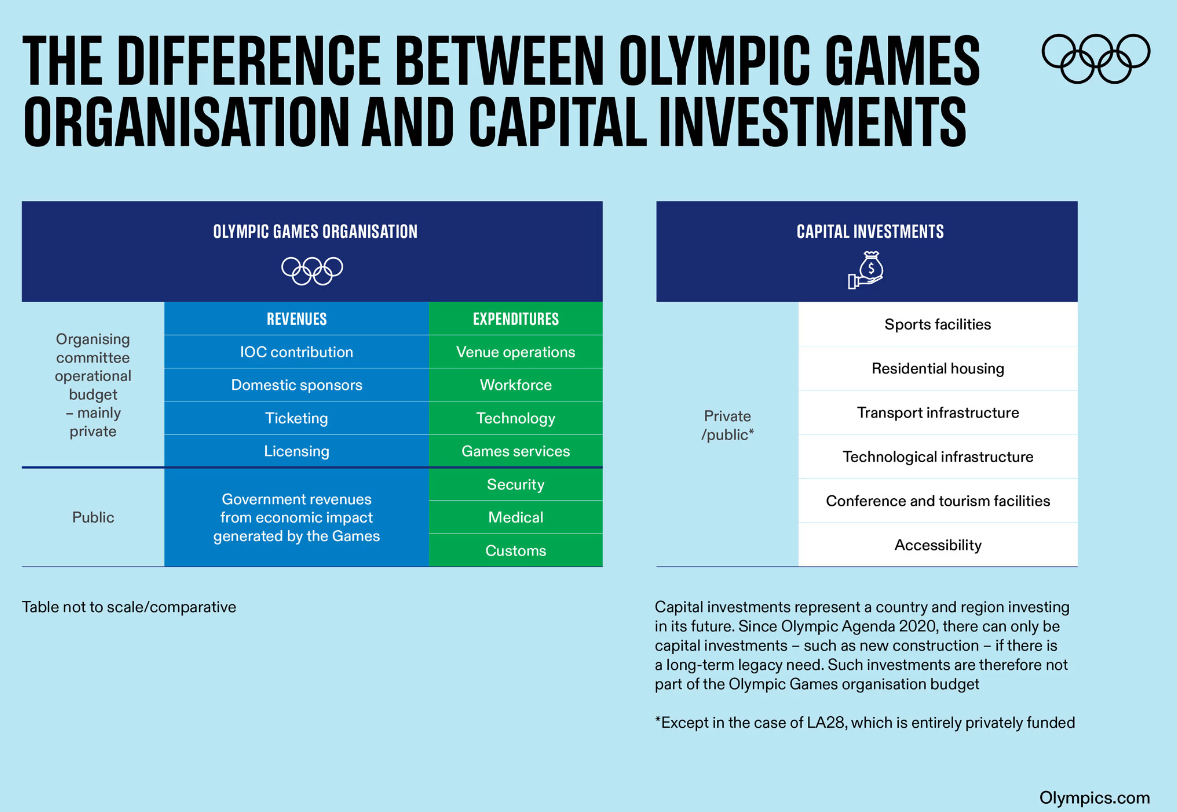
The capitalist imperative for investment return has deeply shaped the infrastructure and urban landscapes of host cities. Hosting the Olympics has evolved into a strategic economic venture aimed at spurring urban renewal, tourism, and global recognition. Under capitalism, the Games are no longer just cultural celebrations but complex projects with significant financial stakes.
Host cities engage in ambitious construction projects—stadiums, athlete villages, and transportation networks—to accommodate the influx of visitors and athletes. These developments can stimulate job creation and inject capital into local economies. Yet, they also pose risks, such as post-Games underutilization and fiscal burdens. The balance between economic opportunity and sustainability is a capitalist challenge intrinsic to the Olympic legacy.
Broadcasting Rights and Global Media Influence
A pivotal element of capitalism’s imprint on the Olympics is the commodification of broadcasting rights. The sale of exclusive rights to televise the Games has transformed them into a spectacle beamed into billions of homes worldwide. This commercialization creates a lucrative revenue stream for the International Olympic Committee (IOC) and ensures the broadest possible audience reach.
Media corporations operate within capitalist incentives, leveraging the Olympics to maximize advertising revenue and viewer engagement. The tremendous production budgets—including elaborate opening ceremonies and live coverage innovations—are financed largely by these commercial arrangements. The influence of media capital thus extends beyond mere dissemination, shaping the narratives, presentation, and even the schedule of sporting events to optimize audience retention.
The Role of Athletes as Marketable Brands
Under capitalism, individual athletes have increasingly become commodified as marketable entities. Their personal brands extend into endorsements, merchandise, and social media influence, transforming sporting achievement into financial capital. This shift challenges the traditional amateurism ideal and reflects broader capitalist trends prioritizing individual entrepreneurship.
Athletes’ marketability often transcends their athletic performance, encompassing lifestyle appeal, personal stories, and global connectivity. Capitalism incentivizes athletes to cultivate their public personas, leveraging fame and success for lucrative partnerships. Consequently, the Olympics have become a stage not just for competitive excellence but for brand-building and commercial ascendency.
Corporate Sponsorship and Ethical Controversies
The pervasive involvement of corporations in the Olympics has sparked ethical debates, revealing capitalism’s complex implications. Sponsorship deals can conflict with public interests or environmental considerations, as multinational companies seek to project positive images aligned with Olympic values. However, questions arise regarding the authenticity of these commitments and the potential exploitation of the event’s global platform.
Moreover, the prioritization of profit sometimes leads to contentious scenarios, such as exclusive contracts with manufacturers or restrictions on media coverage. The capitalist imperative to maximize return can overshadow concerns about accessibility, equity, and community impact, highlighting an ongoing tension between commercial interests and Olympic ideals.
Globalization and Market Expansion
Capitalism’s inherent drive for market expansion has encouraged the globalization of the Olympics. The Games now reach far-flung corners of the world, tapping into emerging markets and diversifying their economic base. This global outreach reflects capitalism’s penchant for new consumer bases and international brand exposure.
Emerging economies leverage the Olympics as opportunities to showcase rising national profiles and modernize their infrastructure, aligning with capitalist growth imperatives. The increasingly globalized nature of the Olympic movement thus embodies capitalism’s expansive ethos, fostering cross-border economic integration while also inviting competition among states for prestige and investment.
Legacy and the Future Under Capitalist Paradigms
Looking forward, capitalism will continue to shape the evolution of the Olympics, with implications for sustainability, inclusivity, and innovation. Market forces drive the search for ever more efficient models of hosting, enhanced digital experiences, and new revenue streams. At the same time, capitalist dynamics raise critical questions about who benefits from the Games’ legacy and how economic gains are distributed.
The balancing act between commercial viability and preserving the Olympic spirit remains delicate. Capitalism has animated the Olympics with resources, innovation, and global reach, but it also demands vigilant stewardship to ensure the Games remain a celebration of human potential rather than purely a marketplace spectacle.

