Anger, a profound and potent human emotion, has historically been both a disruptive force and a catalyst for change. Under capitalism, this emotion takes on multifaceted roles—often becoming a combustible fuel that propels consumer behaviors, social movements, and individual aspirations alike. Understanding how capitalism harnesses, redirects, and sometimes suppresses anger offers vital insights into the mechanisms driving modern economies and societies. This exploration delves into capitalism’s complex relationship with anger, illustrating how this emotion is commodified, exploited, and transformed within contemporary cultural and economic landscapes.
Anger as a Motivational Catalyst in Consumerism
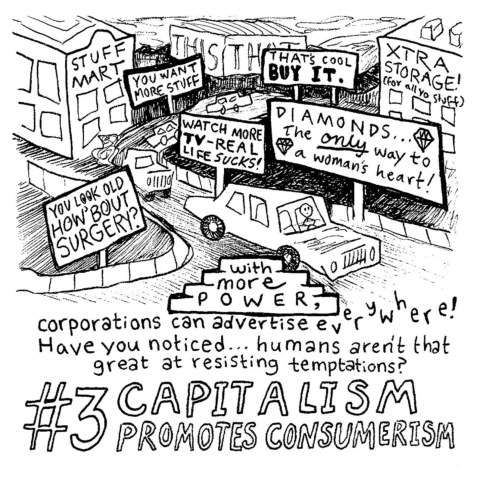
Capitalism thrives on the perpetual motion of desire and dissatisfaction. Anger, in this context, becomes a prodigious motivator, fueling the drive to consume and compete. When individuals experience frustration—be it with inadequate products, subpar services, or systemic inconveniences—this emotion often transmutes into a quest for better alternatives, prompting product innovation and market expansion. Advertisers adeptly tap into this sentiment, crafting narratives that evoke indignation toward the status quo or rival brands, thereby channeling anger into purchasing decisions.
This process is not merely incidental but rather engineered. For instance, companies strategically create or exaggerate consumer grievances to stimulate urgency and brand loyalty. The portrayal of scarcity, exclusivity, or even perceived injustices embedded in social contexts enhances the emotional charge, steering consumers to rectify their anger through acquisition. Thus, anger converts into economic activity, intensifying the velocity of capital circulation in markets.
Political Anger and Capitalist Infrastructure
Beyond the realm of consumption, capitalism intersects with political anger, particularly through its influence on governance and policy-making. Socioeconomic disparities, systemic oppression, and perceived injustices often incite collective outrage. Capitalist systems both contend with and capitalize on this unrest. On one hand, political anger can destabilize markets and disrupt profitability. On the other, it spawns activist movements and reform efforts that can be subsumed into the capitalist framework.
Given this duality, capitalism often co-opts political anger through mechanisms like corporate social responsibility, cause marketing, and the cultivation of “ethical consumption.” Brands position themselves as champions against social ills, enabling consumers to alleviate feelings of systemic injustice by purchasing products aligned with progressive values. This commodification of activism turns political anger into a purchasable experience, mitigating revolutionary potential while sustaining consumer engagement.
Anger’s Role in Labor Relations and Workplace Dynamics
Capitalism’s inherent competitive pressures frequently generate workplace frustrations—unequal pay, job insecurity, and hierarchical dynamics ignite anger among employees. This anger can manifest as resistance or collective bargaining efforts. Capitalist enterprises, aware of the volatility of anger, implement strategies to modulate and redirect it.
From offering limited concessions to instituting employee engagement programs, businesses strive to contain unrest while preserving productivity. Moreover, performance incentives and internal competition recast anger into a driving force for ambition and achievement, maintaining alignment with corporate goals. Simultaneously, some firms commodify anger through “passion” marketing, encouraging workers to channel dissatisfaction into creative output and innovation.
The Media’s Mediation of Anger Under Capitalism
Mass media and digital platforms play a pivotal role in amplifying and managing anger within capitalist societies. News outlets, social media, and entertainment often frame narratives that highlight grievances, scandals, and conflicts, tapping into collective anger to boost engagement and profitability. The virality of outrage-driven content cultivates an ecosystem where anger is continuously stirred and consumed.
This mediation serves a dual purpose. While it provides outlets for emotional expression and mobilization, it also commodifies anger as a consumable spectacle. Capitalism, through media conglomerates, monetizes outrage by attracting ad revenues and subscriber bases. Additionally, algorithms prioritize emotionally charged content, perpetuating cycles of anger that sustain user attention but often deepen polarization.
Creative Expression and Anger as Productive Energy
Conversely, capitalism recognizes the transformative power of anger as a spur to creativity and innovation. Artists, entrepreneurs, and innovators frequently harness anger to challenge conventions and forge new pathways. Capitalist markets support and distribute these emergent expressions, turning anger-derived creativity into profitable ventures.
Whether in music, literature, technology, or design, anger often underpins narratives of resistance, resilience, and reinvention. This creative energy becomes a valuable commodity, enriching cultural capital and expanding markets for alternative and subversive voices. In this way, capitalism does not merely funnel anger into consumption but also cultivates it as a generative force driving cultural and economic evolution.
The Psychological Dimension: Anger, Identity, and Consumer Culture
Capitalism’s engagement with anger extends into the psychological terrain of identity formation and self-expression. Consumer culture often links products and brands with emotional states, casting anger not only as an obstacle but also as a facet of individual identity that can be shaped and managed. The proliferation of niche markets—from wellness products aimed at stress relief to apparel emblazoned with provocative slogans—exemplifies how anger becomes a packaged experience.
Moreover, capitalism promotes the idea that managing or harnessing anger is integral to personal success and emotional well-being. Self-help industries flourish by offering techniques and products designed to channel anger constructively. Thus, individuals are encouraged to embrace anger as an internal resource—a “fuel” for personal growth that capitalism monetizes at multiple touchpoints.
Conclusion: The Ambivalent Alchemy of Anger and Capitalism
Anger within capitalist systems functions as a complex, ambivalent agent. It is simultaneously harnessed to stimulate consumption, modulate labor relations, catalyze political action, and ignite creative innovation. Capitalism’s capacity to commodify and redirect anger reveals both its adaptive strengths and its manipulative tendencies. The fuel of anger propels economic dynamism but also challenges social cohesion and personal well-being.
Understanding this intricate interplay demands recognizing that anger under capitalism is neither wholly inimical nor purely emancipatory. It operates within a web of economic incentives, cultural narratives, and psychological imperatives, continuously shaping and reshaping the contours of human experience in a market-driven world.


