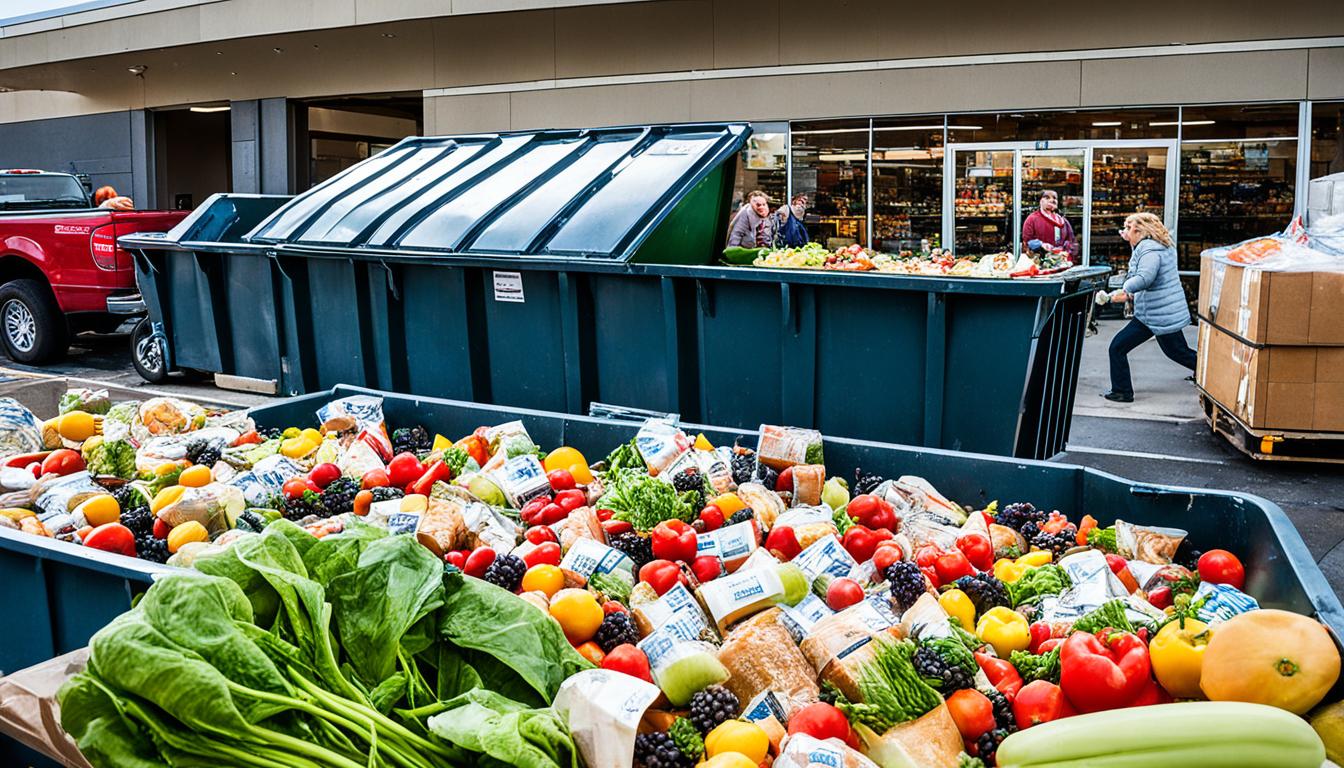
Food waste within the context of capitalism reveals a complex interplay between market forces, consumer behavior, and systemic inefficiencies. Grocery stores, as pivotal interfaces in the food supply chain, embody the contradictions inherent in capitalist frameworks—where the relentless pursuit of profit often exacerbates resource wastage. Understanding how capitalism treats food waste in grocery stores requires unraveling economic incentives, operational practices, and social implications that collectively shape the fate of edible goods.
The Economic Imperative Behind Overproduction
At the crux of food waste lies overproduction, a phenomenon heavily influenced by capitalist market dynamics. Grocery stores operate within highly competitive environments, incentivizing robust inventory levels to satisfy consumer expectations of constant availability and variety. To maintain market dominance, retailers often order quantities surpassing actual demand, anticipating fluctuating consumer preferences and avoiding stockouts that could lead to lost sales. This surplus stock frequently culminates in unsold produce, pushing stores to discard edible items before spoilage or to sell them at discounted rates close to expiration.
Moreover, suppliers and manufacturers also contribute to this surplus. Contracts often stipulate minimum purchase quantities or promotional stockpiling, resulting in a cascade of excess goods entering retail shelves. Capitalism rewards abundance as a display of affluence and choice, paradoxically encouraging wasteful cycles masked as consumer empowerment.
Packaging and Aesthetic Standards: Invisible Forces of Waste
Capitalist retail models place a premium on appearance and marketability. Grocery stores enforce stringent aesthetic standards that dictate which produce is deemed saleable. Fruits and vegetables that deviate from ideal shapes, colors, or sizes frequently face rejection despite being nutritionally sound. These cosmetic standards, propelled by consumer expectations cultivated through advertising and cultural norms, funnel a considerable volume of food directly into waste bins.
Packaging also plays a dual role—it both preserves food and entices purchases through branding and convenience. However, excessive packaging, often plastic-based, not only generates environmental hazards but also obscures the freshness of items, leading to premature disposal. The fetishization of visual perfection thus couples with capitalist imperatives to sustain wasteful practices.
Supply Chain Inefficiencies and the Temporal Pressure
The logistics of food distribution in capitalist economies impose rigorous temporal constraints. Grocery stores must juggle perishable goods with limited shelf lives, navigating complexities such as transportation delays, climatic variability, and fluctuating consumer demand. These pressures translate into conservative ordering practices that paradoxically do not fully eliminate waste. Rather, the imperative to replenish quickly and prominently display fresh goods encourages frequent disposal of still-edible items.
In addition, the fragmented nature of supply chains, often spanning multiple intermediaries, dilutes accountability. Each actor in the chain prioritizes their margin without holistic oversight, resulting in cumulative inefficiencies that compound waste. Capitalism’s focus on cost-cutting and just-in-time inventory management can reduce storage expenses but sometimes at the cost of increased spoilage.
Marketing Strategies and the Cultivation of Consumer Excess
Capitalism thrives on generating continuous demand, and grocery stores are no strangers to leveraging marketing mechanisms to stimulate overconsumption. Techniques such as bulk discounts, multi-buy offers, and flashy promotions encourage consumers to purchase more than they immediately need. This behavioral manipulation often results in households discarding food items before consumption due to spoilage, yet it circles back to increase the volume of stock grocery stores circulate.
Seasonal displays, holiday-themed merchandise, and trend-driven products also feed into consumer psychology, enticing shoppers to indulge in ephemeral cravings. Capitalism’s relentless push for sales volume inherently fosters an environment where food waste becomes a systemic byproduct rather than an aberration.
Regulatory and Legal Frameworks: Constraints and Loopholes
Legal considerations influence how food waste is handled within grocery stores’ capitalist context. Liability concerns frequently deter stores from donating surplus food, driven by fear of litigation over food safety. While “Good Samaritan” laws have been implemented in many regions to protect donors, a lack of awareness or bureaucratic barriers may still inhibit redistribution efforts.
Additionally, expiration and “best-by” date regulations pressure retailers to remove items from shelves once dates expire, even if foods remain safe and palatable. These regulatory artifacts, though well-intentioned, inadvertently reinforce food disposal norms aligned with capitalist risk management rather than sustainable usage.
Technological Innovations and Capitalist Adaptations
Despite these challenges, capitalism also fosters innovations aimed at reducing food waste, as market actors respond to economic inefficiencies and growing ethical consciousness. Technologies such as advanced inventory management systems, artificial intelligence-driven demand forecasting, and blockchain for supply chain transparency are increasingly deployed to optimize stock levels and reduce spoilage.
Furthermore, some grocery chains have embraced dynamic pricing algorithms that adjust prices in real-time based on shelf life, aiming to incentivize purchases of near-expiry goods. Startups innovate with platforms that connect stores to food rescue organizations, transforming waste into social good while capitalizing on untapped value. These adaptations exemplify capitalism’s capacity to reconfigure toward efficiency and responsibility, albeit often motivated by profit as much as by ethics.
Socioeconomic Impacts and Ethical Dilemmas
The treatment of food waste in grocery stores under capitalism has stark socioeconomic ramifications. Waste represents not just environmental depletion but also a failure to equitably distribute resources in societies marked by food insecurity. The sight of immense edible waste alongside persistent hunger invokes moral contradictions that capitalism struggles to reconcile.
Moreover, marginalized communities disproportionately suffer the consequences of both waste and scarcity, spotlighting the systemic inequities baked into capitalist food systems. Ethical questions arise surrounding corporate responsibility, consumer culture, and the potential for alternative economic models that prioritize sustainability over accumulation.
The Road Ahead: Reconciling Profit and Sustainability
The capitalist handling of food waste in grocery stores sits at a crossroads. Growing public awareness, regulatory pressures, and ecological imperatives demand a recalibration of priorities. Retailers must navigate the tension between profitability and sustainability, leveraging innovation and transparency as pathways toward systemic change.
Future paradigms may include circular economy principles, zero-waste retailing, and consumer education campaigns that reshape demand. While capitalism inherently revolves around competition and growth, evolving frameworks increasingly recognize that addressing food waste is not just an ethical imperative but a strategic necessity for long-term viability.

