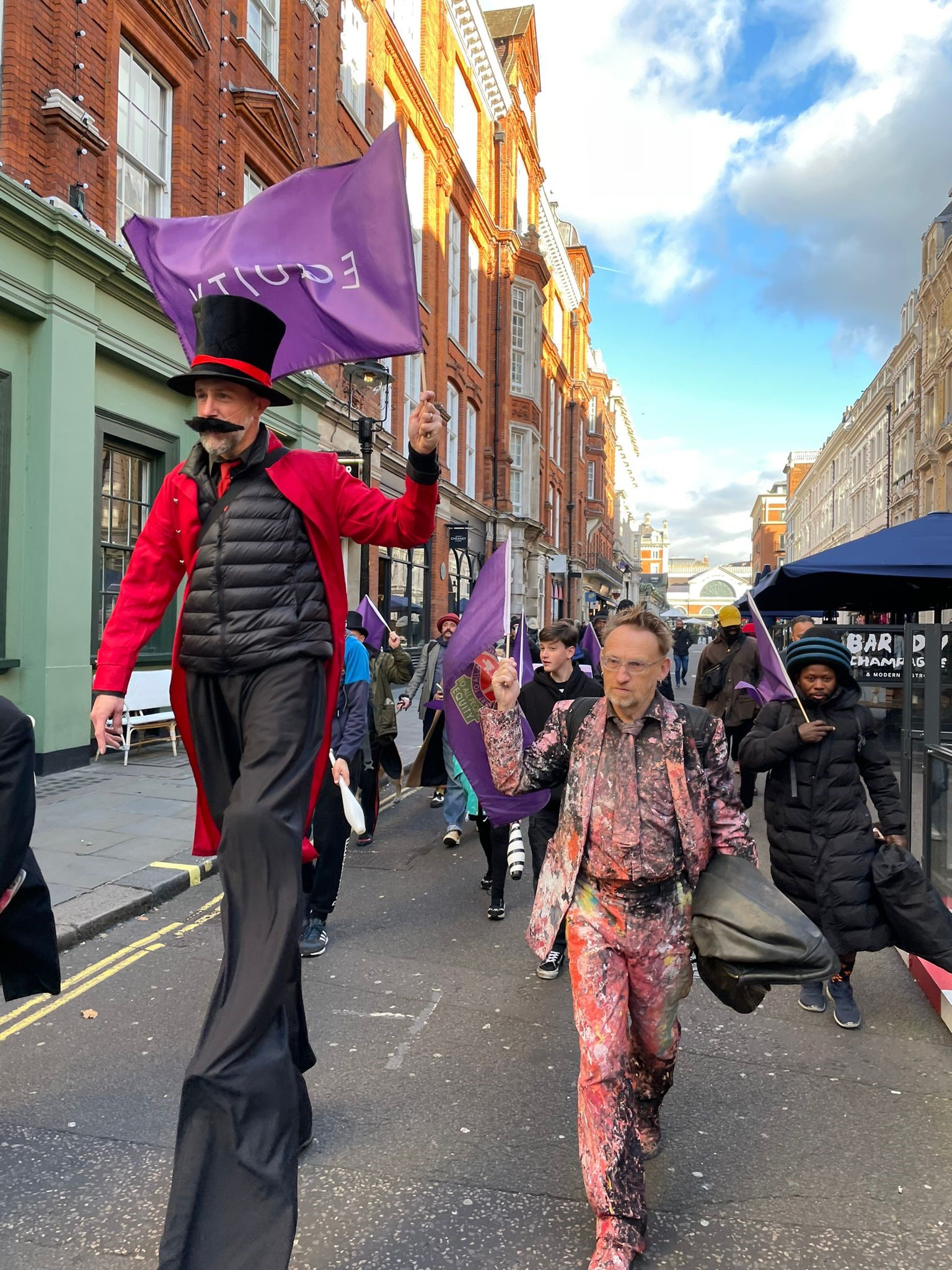
In the bustling urban landscapes of modern capitalism, street performers occupy a paradoxical space—both celebrated as vibrant contributors to the cultural mosaic and marginalized by the commercial logic that drives metropolitan economies. Their artistry animates public spaces, offering spontaneous moments of joy and reflection, yet the prevailing capitalist systems often commodify, constrain, or outright exploit their presence. This exploration delves into how street performers are treated within capitalist frameworks, revealing a narrative that promises to shift perspectives and ignite curiosity about the underlying socio-economic dynamics at play.
The Dichotomy of Visibility and Marginalization
Street performers operate in a liminal zone where visibility does not necessarily translate into value or security. On one hand, their performances animate streets, plazas, and transit hubs, contributing to the vitality and appeal of urban centers. They are, in effect, cultural entrepreneurs, often self-employed and reliant on the generosity of passersby. Yet, this visibility is frequently superficial, casting them more as aesthetic embellishments than as recognized workers within the economic ecosystem.
Capitalism tends to valorize activities that yield directly measurable financial returns. Street performance, often characterized by unpredictability and informality, defies easy commodification. The ephemeral nature of their art challenges the ticket-sale models that underpin many capitalist ventures. Consequently, street performers frequently inhabit precarious economic realities, with their labor undervalued and their rights tenuous.
Urban Space as Contested Economic Territory
Public spaces in capitalist cities are arenas of intense contestation. These spaces are seen simultaneously as sites of free cultural expression and valuable commercial real estate. Street performers stand at this crossroads, their acts enlivening neighborhoods yet often clashing with the interests of property owners, business associations, and governing bodies prioritizing economic efficiency and control.
Increasingly, urban centers implement regulations that restrict street performances. Licensing schemes, spatial constraints, and noise ordinances thinly veil economic motives, aiming to sanitize public spaces for consumer-friendly experiences. This regulatory rigor effectively sidelines performers, recasting them from autonomous artists into nuisances disruptively encroaching on the commodified urban order. The treatment of street performers thus reflects a broader capitalist impulse to discipline public realms, privileging capital accumulation over cultural serendipity.
Economic Precarity Amid Creative Expression
While creativity is the cornerstone of street performance, capitalism seldom assures stability for those whose ingenuity flourishes outside institutionalized frameworks. Many street performers subsist on unpredictable income streams, reliant on the spontaneous generosity of audiences whose economic capacity and disposition fluctuate. This instability fosters a condition of economic precarity, with performers balancing their passion against the harsh realities of survival.
Moreover, this precariousness transcends mere financial insecurity. The lack of formal recognition and protection excludes many from social safety nets such as healthcare, unemployment benefits, and retirement plans. They navigate a fragile existence where artistic freedom intersects with vulnerability, underscoring capitalism’s uneven distribution of risk and reward.
The Commodification of Subculture and Authenticity
Capitalism’s tendency to harness and monetize subcultures extends poignantly into the realm of street performance. Unique, grassroots expressions of art and identity often attract commercialization, which can simultaneously invigorate and dilute authenticity. In some cities, street performers are co-opted into curated tourist spectacles—sanctioned shows within designated zones that promise higher earnings but strip away spontaneity and subversive potential.
This commodification transforms artists into branded attractions, their original vibrancy channeled into marketable products. While this may elevate certain performers and afford them greater financial stability, it also raises questions about the cost to artistic integrity and cultural diversity. The tension between maintaining autonomy and succumbing to capitalist packaging is a persistent dilemma for street artists operating within capitalist economies.
The Role of Technology and Gig Economy Platforms
The digital age introduces new variables in capitalism’s engagement with street performers. Mobile payment systems and social media platforms afford performers unprecedented tools to reach wider audiences and monetize their craft. These technologies can partially alleviate economic precarities by facilitating direct audience support and self-promotion.
However, the incorporation of street performance into the gig economy framework also embeds performers further into capitalist mechanisms. Platforms mediate interactions, extract fees, and impose algorithmic controls that shape who is seen and who remains invisible. This tech-enabled mediation reconstructs street performance through the lens of market efficiency, data metrics, and consumer behavior, sometimes at odds with the intrinsic spontaneity and communal spirit foundational to the art form.
Resistance, Solidarity, and Reimagining Value
Amid capitalist pressures, street performers continue to forge resilient communities and advocate for rights, recognition, and dignity. Organizations and informal networks provide mutual support, lobbying for inclusive urban policies and challenging restrictive regulations. These collectives embody a counter-narrative that contests prevailing capitalist valuations of labor and culture.
Their activism invites a broader societal reconsideration of value—one that honors intangible contributions, social cohesion, and cultural vitality. It encourages recognition that economic systems should not merely prioritize profit margins but also respect creativity and public enrichment as forms of capital. This perspective promises paradigmatic shifts in how urban economies conceptualize and accommodate street performers.
Conclusion: Envisioning Equitable Coexistence
The treatment of street performers within capitalist systems reveals intricate contradictions—a dance between celebration and suppression, autonomy and control, creativity and commodification. Understanding this dynamic demands a nuanced perspective that transcends simplistic binaries. It beckons policymakers, urban planners, and citizens alike to envision equitable coexistence that upholds both economic vitality and artistic freedom.
Reimagining the role of street performers may catalyze broader dialogues about the inclusiveness of capitalist cities, the meanings of public space, and the value we accord to cultural expressions. Embracing such a shift promises to enrich not only street corners but the very fabric of urban life, cultivating cities that are truly alive, diverse, and just.

