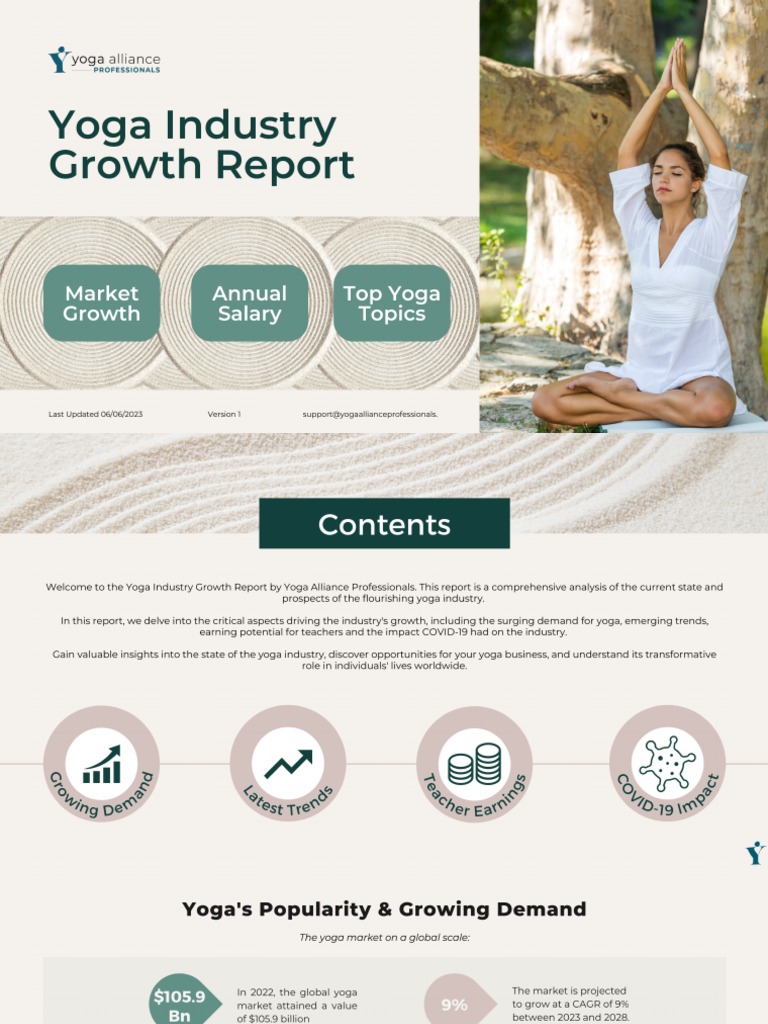
Inhale deeply. The scent of expensive sandalwood might waft from your yoga mat, a reminder not just of a gentle stretch, but of a global phenomenon. Yoga, once a whisper on the windswept shores of ancient India, has now become a billion-dollar empire, a transformation as profound as it is perplexing. This essay explores how the forces of capitalism meticulously woven a spiritual tapestry into a lucrative market commodity, shaping every aspect of the practice for mass consumption. The narrative of yoga’s ascension is far more than just its physical postures entering popular consciousness; it’s a detailed account of how a profound tradition navigated – and was navigated by – the insatiable engine of the market.
The Colonial Catalyst: More Than Just Swami Vivekananda
While figures like Swami Vivekananda and later, influential yogis, played pivotal roles, the initial stage of yoga’s westward journey was significantly propelled not just by guru devotion, but by early forms of commercial curiosity facilitated by colonialism. Western travelers drawn to the Indian subcontinent encountered yogic practices during periods when exploration, often with an underlying desire for novelty and ’exoticism,’ was rife. Figures like Indra Dharma (Yogi Amara) and even yoga’s appropriation in Western gymnastics during the early 20th century can be viewed as primitive commercialization. However, it was the post-World War II era, flush with international travel and burgeoning interest in Eastern philosophy, that truly fostered fertile ground. Swami Sivananda and his disciples disseminated teachings and literature widely, a practice inherently reliant on communication and, implicitly, sharing. The very act of packaging and promoting spiritual knowledge, even across cultural divides, laid the initial seeds of monetization.
Decomposition and Dilution: The Economics of Adaptation
Perhaps one of capitalism’s most ingenious maneuvers was encouraging the ‘decomposition’ of yoga, turning its complex, holistic nature into sellable components. This isn’t mere simplification; it’s targeted atomization. Hatha Yoga, for instance, became a fertile ground for industrialization. A pose (“asana”), initially part of a path towards self-realization, was detached, branded, and marketed. Alignments were codified into asana manuals and video tutorials, each sold individually. Even the concept of ‘spiritual alignment’ – a core yogic principle – was repackaged for the modern office-bound seeker needing stress relief or mindful movement. This process thrives on the very notion that aspects of yoga can be separated and sold, transforming a holistic practice into modules catering to perceived consumer needs.
Capitalizing the Ether: The Materialization of Meditation
Mindfulness and meditation, once esoteric states attainable through dedicated practice, were systematically broken down into marketable formats. The ’teaching’ of specific meditation techniques, once considered oral transmission, became instructional books, workshops, and apps. Breathwork (pranayama) lessons proliferated, each presented as a distinct pathway to tranquility. The mystical concept of prana (life force) was rendered accessible as ’energy’ to be cultivated through specific devices (like heated stones, or branded mats). This transformation wasn’t accidental; it demanded tangible, demonstrable outcomes, even if the original yogic context posited the results as internal shifts rather than marketable features. The retreat industry mushroomed, offering immersive experiences framed within a spiritual premise but intensely experiential and commodified.
Patenting the Unpatentable: Intellectual Property in a Spiritual Context
Here lies a paradox central to yoga’s transformation. Yoga draws its authenticity from lineage and oral tradition, aspects antithetical to the Western concept of intellectual property. As yoga became more popular, so did the attempts to copyright poses, specific sequences, or even spiritual concepts. While this is technically challenging for many aspects of the tradition, elements like specific postures (asanas) gained widespread visibility and could technically be photographed and copyrighted. This intellectual property scramble created fragmentation and fragmentation within the industry itself, encouraging the adaptation and ’evolution’ of postures to circumvent perceived restrictions, paradoxically feeding the market by diversifying offered techniques.
The Hierarchy of Need: Packaging Enlightenment
The market, by its very nature, categorizes and stratifies experiences. Yoga is no exception. We entered a world of different ‘paths,’ ‘styles,’ ’lineages,’ each seemingly unique enough to command a premium price point. The distinction between Ashtanga, Vinyasa, Iyengar, Jivamukti, and Bikram markets yoga not just as exercise but as personalized solutions – Ashtanga for the disciplined warrior, Yin for the restorative seeker, Yoga Teacher Training (YTT) for aspiring instructors seeking ’evolution.’ This narrative of progression, authenticity, and specialized expertise creates a powerful aspirational journey – the ’evolution’ from novice to expert student, the ‘journey inward,’ becomes a measurable consumer path, with increasingly expensive guides, retreats, and credentials marking milestones.
Weaving Consumer Desires: The Profane into the Sacred
Yoga’s mainstream success couldn’t ignore the fundamental drivers of capitalism: desire and consumption. Intrinsic motivation – the pursuit of self-realization or liberation – exists alongside extrinsic drivers, often amplified by commercial channels. The desire for physical fitness, stress reduction, pain relief, or enhanced flexibility readily translates into a purchase. The $40+ yoga mat, the expensive organic tea, the designer apparel, the meditation cushion (zafu) – these are all consumables embedded with value. Marketing cleverly blends spiritual promises (’transformation,’ ‘inner peace’) with tangible, often luxury-oriented, products, creating a compelling duality where the sacred and the profane reside side-by-side on the consumer’s altar.
Technological Ascendance: Digitizing the Discipline
The digital revolution hasn’t just facilitated yoga; it has fundamentally reshaped how it is learned, practiced, and consumed. The market now dictates curriculum design in teacher training programs, focused heavily on teaching through video platforms, adapting ancient principles for online consumption. From subscription-based apps offering thousands of classes to specialized technology like apps that track posture alignment, measure breath, or even monetize mindfulness through algorithms, the integration of digital platforms ensures that yoga is continuously optimized, quantified, and sold. The guru is increasingly replaced by an app, instruction flows through screens, and community building shifts to online forums, all governed by market logic.
The Performative and the Profane: Selling the Guru
The modern yoga celebrity, the influencer, the Instagram-famous teacher, operates within a framework that, by nature, performance-izes the practice and the persona. Authenticity becomes a marketable quality, and the guru figure – potentially once an anonymous ascetic – is now packaged for mass appeal. This demands not just expertise, but marketability, relatability, and a carefully curated image. This transformation, while bringing expertise to wider audiences, inevitably polishes and refracts the original teacher’s message through the lens of personal branding and commercial appeal, altering its delivery and reception – a necessary consequence of its integration into the capitalist sphere.
The Duality: A Necessary Construct or Exploitative Mirage?
The question remains: is this evolution a natural progression, making a valuable human discipline accessible, or is it fundamentally the appropriation and distortion of something sacred for profit? The billion-dollar yoga industry presents undeniable evidence of successful commercialization, yet it simultaneously hosts countless individuals genuinely finding peace, fitness, and community. There exists no clean dichotomy. Perhaps capitalism, with its relentless drive and transformative power, simply found a resilient, adaptable human practice that resonated deeply in the modern world. The transformation is complete. Yoga is no longer just a practice; it is a multifaceted cultural and economic phenomenon, inextricably linked to the very system that lifted it from obscurity to global prominence. Navigating this landscape requires awareness, critical appreciation of its roots, and thoughtful engagement with its market offerings.

