In the labyrinthine world of capitalism, understanding how future time is valued reveals profound insights into the underpinnings of economic behavior. The ubiquitous phenomenon of discounting—assigning lesser value to future benefits compared to immediate ones—is more than a dry financial concept. It is a window into human psychology, societal structures, and the relentless march of market logic. This nuanced practice not only guides investment and consumption decisions but also exposes an intricate dance between impatience, risk, and the ever-looming uncertainty of what lies ahead. Exploring how capitalism quantifies future time illuminates why this principle captivates economists, investors, and thinkers alike, hinting at deeper implications about how we as a society reckon with time itself.
The Principle of Discounting in Capitalist Economics
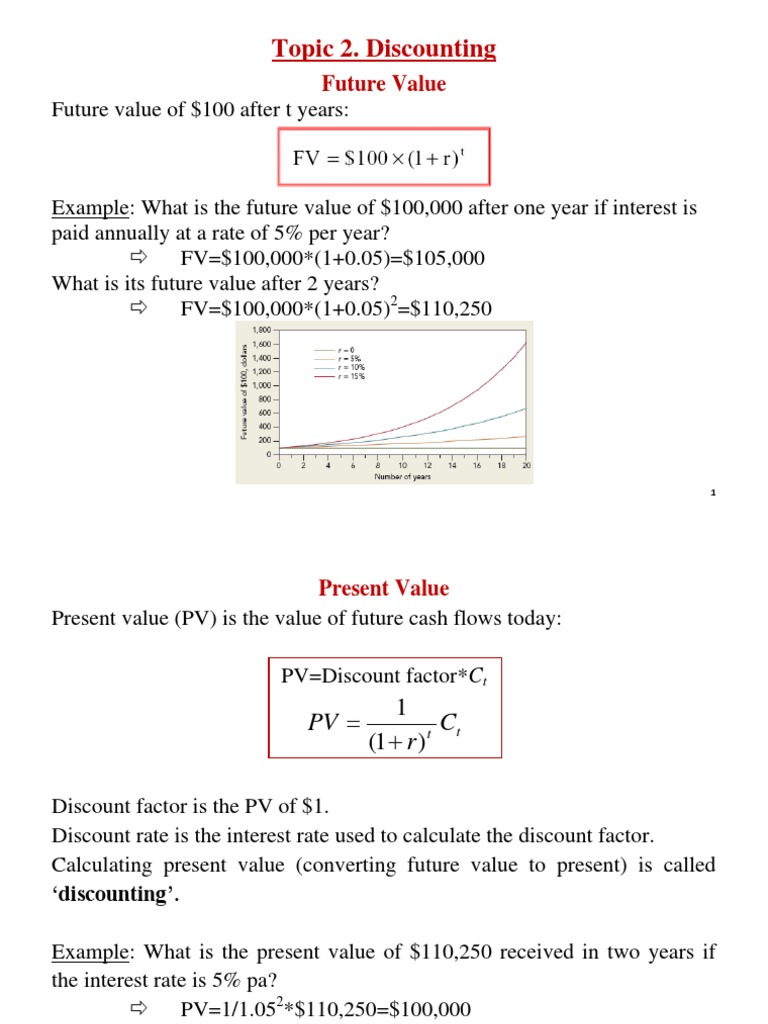
At its core, discounting stems from a simple yet potent observation: money available today holds more worth than the identical sum received in the future. This preference for immediacy is not a mere quirk of human nature but a foundational pillar within capitalist frameworks. It acts as a mechanism to reconcile the temporal gap between present sacrifices and future rewards. The process involves calculating the “present value” of anticipated cash flows, reducing future sums by a discount rate to reflect various factors such as inflation, risk, and opportunity cost.
Why does capitalism privilege the present so heavily? One reason lies in the intrinsic uncertainty embedded in the future. A dollar tomorrow is shadowed by risk—be it economic instability, changing market conditions, or personal contingencies. Discounting, therefore, quantifies a form of temporal skepticism, a built-in hedge against the unpredictability of time.
Discounting as a Manifestation of Time Preference
Time preference, the degree to which individuals favor present consumption over future consumption, is a central concept woven seamlessly into capitalist valuation. Unlike static financial calculations, time preference encompasses psychology, sociology, and philosophy. The capitalist impulse to discount future returns reflects a collective societal impatience—a prioritization of immediate gratification and tangible reward.
This impatience carries profound economic implications. It drives consumption patterns, investment horizons, and entrepreneurial risk-taking. People and institutions discount the future not merely out of cautious foresight, but due to inherent human tendencies toward immediacy and the tangible. In this light, discounting becomes a mirror reflecting broader cultural attitudes toward time, progress, and uncertainty.
Opportunity Cost: The Invisible Hand Guiding Discount Rates
Embedded within discounting lies the concept of opportunity cost, an invisible arbiter dictating why future time is devalued. Capitalism functions on dynamic choice, where resources committed to one venture foreclose alternative possibilities. The discount rate effectively encapsulates this forgone potential. It represents the returns that could be earned if capital were invested elsewhere, immediately and with certainty.
This aspect of discounting highlights the pivotal role of alternative investments in shaping how future time is priced. Higher opportunity costs translate into steeper discount rates, which heavily erode the present value of distant returns. Consequently, capital is channeled toward projects promising quicker or more certain payoffs, reinforcing capitalism’s predilection for the near term.
Risk and Uncertainty as Temporal Penalty Factors
Future rewards in capitalism are invariably shrouded in risk. This inherent uncertainty intensifies the impetus to discount future value. The farther into the future a payment or benefit is expected, the more compounded the uncertainties become—economic downturns, policy shifts, technological disruptions, or unforeseeable global events can all upend projections.
Risk-adjusted discounting integrates these contingencies into the valuation process. The discount rate is often elevated to compensate for volatility and probability of default, effectively placing a temporal penalty on risk-prone future gains. This mechanism ensures that capital allocation gravitates towards ventures with screened or mitigated risks, reinforcing a cautious preference for the immediate and tangible.
Capitalism’s Temporal Hierarchy and Its Societal Implications
Discounting erects a temporal hierarchy that privileges the present over the future, a hierarchy laden with significant societal consequences. This valuation framework frequently manifests as underinvestment in long-term projects such as infrastructure, environmental sustainability, and social welfare. The capitalist focus on short-term returns can eclipse the intrinsic value of enduring benefits, leading to systemic myopia.
Yet, this is not an immutable truth but a pattern shaped by the parameters of discounting. High discount rates tacitly devalue future generations’ welfare, raising ethical and philosophical questions. The fascination with discounting value thus transcends mere finance—it probes how societies negotiate responsibilities across time and challenges the moral calculus embedded within market logics.
The Interplay Between Discounting and Innovation
Interestingly, discounting’s impact on innovation is paradoxical. On one hand, it incentivizes rapid returns, channeling capital toward ventures promising swift profitability. This dynamic fosters a fertile ground for incremental advances and market-driven innovation cycles.
On the other hand, steep discounting can stifle investment in groundbreaking, long-horizon research whose payoffs may lie decades ahead. In sectors like renewable energy, biotechnology, or fundamental science, this temporal devaluation poses formidable obstacles. Hence, discounting shapes the trajectory of technological progress by selectively valorizing certain timeframes over others, illustrating capitalism’s intricate negotiation with future time.
The Psychological Roots and Broader Cultural Fascination
Beyond economics, the fascination with how capitalism values future time is deeply psychological. Humans are inherently time-bound beings, wrestling with the tension between immediate desires and distant aspirations. Capitalist discounting crystallizes this tension into calculable terms, rendering the abstract dimension of time into a currency with measurable worth.
This confluence of psychology and economics explains why discounting captivates scholars and practitioners alike. It reflects a perennial human dilemma: how to balance hope and caution, optimism and pragmatism, present enjoyment and future security. The cultural appeal of discounting lies in its power to quantify and manage this existential paradox, offering a language to discuss time’s mysterious sway over economic behavior.
Conclusion: Reconciling Present Value and Future Potential
Capitalism’s valuation of future time through discounting is a multifaceted phenomenon—part economic necessity, part cultural artifact, part psychological strategy. It embodies a keen awareness of uncertainty, opportunity costs, and human time preference while shaping how markets, individuals, and societies allocate resources. Yet, its effects ripple beyond spreadsheets and balance sheets, influencing our collective capacity to plan, hope, and invest in the future.
Understanding discounting is thus essential not only for grasping capitalist economics but also for engaging with deeper questions about how society values the yet-to-come. This complex interplay of time and value continues to fuel intellectual fascination, reminding us that time’s worth is not merely a technical calculation but a profound reflection of human priorities and aspirations.


