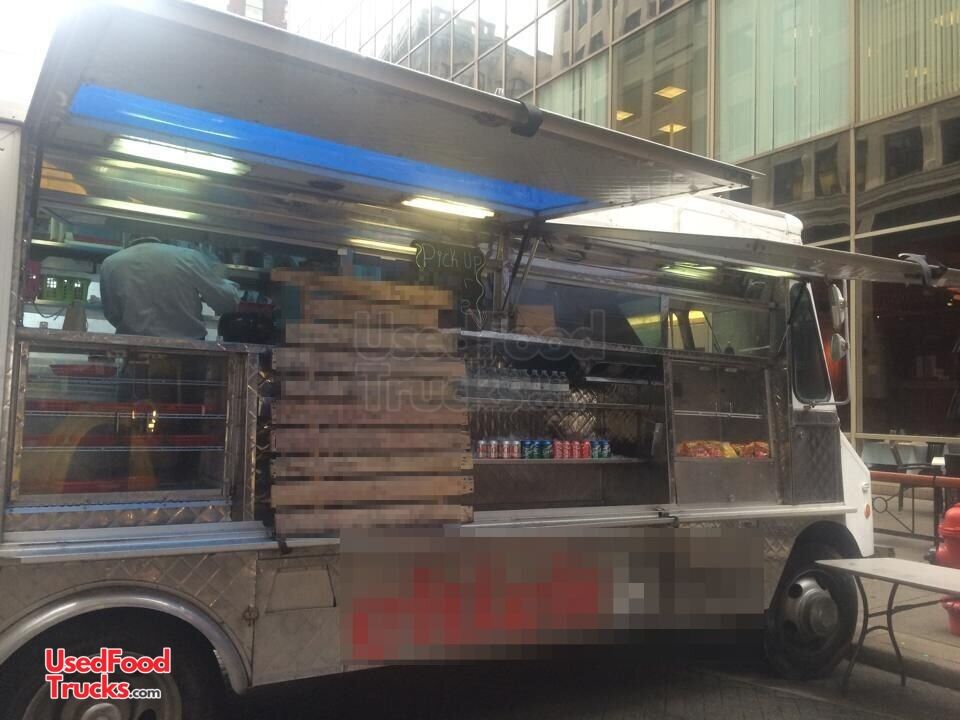
What happens when the relentless engine of capitalism shifts gears into the compact, mobile world of a food truck? How does the endless interplay of supply, demand, competition, and innovation manifest in a business confined to the constraints of wheels and a kitchen on the go? The scenario presents a dynamic crucible where the theories of capitalism are distilled into brisk transactions, customer encounters, and strategic maneuvers that can either propel the venture into profitability or stall it in obscurity. Navigating these waters demands astute comprehension of the economic forces at play, blending entrepreneurship with adaptability in a constantly shifting marketplace.
Capital as the Lifeblood: Investment and Risk in a Food Truck
At the heart of capitalism lies the concept of capital—financial resources injected with the hope of generating returns. Unlike traditional restaurants, which often require significant real estate investment and overhead, food trucks offer a tantalizingly accessible entry point. However, that ease belies significant risks. The capital invested in a food truck encompasses the purchase or lease of the vehicle itself, outfitting it with kitchen equipment, obtaining necessary permits, and covering operational costs such as supplies and labor. Each dollar is a calculated wager, betting that market conditions, consumer tastes, and pricing strategies will align favorably. This amalgamation of risk and reward draws the entrepreneur into the quintessential capitalist gamble, where the promise of profit tempts but does not guarantee success.
Supply and Demand on Four Wheels: Navigating Consumer Taste
In the microcosm of a food truck, supply and demand interplay with heightened immediacy. The inventory is perishable and limited by storage space, demanding meticulous foresight to avoid waste while meeting customer expectations. Specialization often becomes a strategic choice—a niche cuisine or signature dish that captivates a particular demographic. Yet consumer preferences can be mercurial, influenced by trends, seasons, and location. For example, a spicy fusion taco truck may thrive at a bustling downtown lunchtime but falter in a residential area during evenings. Successful operators harness data—sales patterns, foot traffic flows, and community events—to anticipate and respond deftly to fluctuations. This agile responsiveness embodies the capitalist principle of adjusting supply dynamically to maximize profit.
Competitive Market Dynamics in Local Food Culture
Competition within the food truck ecosystem is fierce and multifaceted. Unlike brick-and-mortar establishments with fixed presences, food trucks contend not only with other mobile vendors but also with established restaurants, pop-ups, and street food stalls. Location becomes a strategic battleground. Prime spots near office complexes, events, or nightlife hubs command fierce rivalry and often require permits attained through a semi-capitalistic lottery of municipal regulations or bidding processes. Differentiation is paramount—unique culinary offerings, exceptional customer service, or innovative branding can become the edge that cuts through market saturation. However, this competition also spurs continual reinvention, a hallmark of capitalist markets where survival hinges on the ability to innovate and outperform rivals.
Labor and Entrepreneurial Spirit: Human Capital in Action
The operation of a food truck weds physical toil with the entrepreneurial spirit. Owners often juggle multiple roles—chef, marketer, accountant, and customer liaison. The capitalist framework acknowledges labor as an input, with remuneration tied to productivity and value creation. For food truck operators, time is money in a compressed, high-intensity environment. Hiring employees introduces further complexity: balancing wage costs against productivity, navigating labor laws, and cultivating a team that can embody the brand ethos. This human capital is critical in scaling operations beyond a solo venture, yet it also introduces vulnerabilities intrinsic to the capitalist labor market, such as turnover and wage competition. The challenge lies in optimizing these human resources to sustain profitability while maintaining service quality.
Innovation and Adaptability: Catalysts of Capitalist Success
Innovation thrives where constraints spur creativity—and food trucks epitomize this reality. Limited space, shifting locations, and diverse clientele push operators to continuously refine menus, marketing, and operational efficiency. Agile adoption of technology—mobile payment systems, social media marketing, GPS tracking—can transform customer engagement and streamline workflows. Moreover, collaborations, pop-up partnerships, and participation in festivals or farmers markets open avenues for market penetration and brand expansion. Capitalism rewards such nimbleness, encouraging food truck entrepreneurs to reinvent traditional concepts and rethink value delivery. Failure to evolve, conversely, risks obsolescence in a marketplace that prizes novelty and responsiveness as much as quality.
The Regulatory Landscape: Constraint or Catalyst?
Capitalism imagines free markets, but in reality, regulation profoundly shapes the food truck industry. City ordinances, health regulations, zoning laws, and parking restrictions constitute a complex web of compliance that can both hinder and facilitate entrepreneurial activity. Licensing fees or restrictions on locations can serve as barriers to entry, limiting competition and potentially protecting incumbent operators. Conversely, transparent and supportive regulations can stimulate industry growth by ensuring safety, building consumer trust, and fostering fair competition. The regulatory environment tests the resilience and acumen of operators, compelling them to navigate bureaucratic challenges without losing sight of profitability and ethical responsibility.
Consumer Culture and Capitalist Feedback Loops
Consumer culture acts as both judge and jury in the capitalist theatre of a food truck. Customer feedback—through online reviews, word of mouth, and repeat patronage—creates a feedback loop reinforcing success or precipitating decline. Capitalism thrives on this decentralized adjudication, where quality and value are constantly tested in the marketplace. The immediacy of customer interaction in a food truck augments this process; operators receive direct, unfiltered responses. Mastering this dialogue can yield invaluable insights into price elasticity, quality thresholds, and brand loyalty. Ultimately, the symbiosis of consumer expectations and entrepreneurial agility defines the sustainability of the venture in a capitalist framework.
Profit and Reinvestment: The Cycle of Growth
Profits harvested from the food truck business are not merely end goals but fuel for reinvestment—the lifeblood of capitalist expansion. Operators may channel earnings into new equipment, marketing campaigns, or fleet expansion, creating a virtuous cycle of growth. Some may evolve from a solitary food truck into a reputable brand with multiple units or even brick-and-mortar establishments. This accumulation and redeployment of capital epitomize the capitalist mechanism, emphasizing scalability and wealth generation. However, prudent financial management is critical; premature expansion or cash flow mismanagement can quickly reverse fortunes, underscoring the delicate balance of risk and growth inherent in capitalism.
Conclusion: Wheel-Driven Capitalism in Motion
The food truck, a seemingly modest culinary emissary cruising city streets, encapsulates the intricate dance of capitalism on a compact stage. From capital investment and risk-taking to supply-demand calibration, fierce competition, and innovation, this mobile enterprise vividly illustrates how capitalism operates in real-time. The challenges—regulatory hurdles, labor dynamics, market volatility—pose permanent tests to the entrepreneur’s ingenuity and resilience. Yet, it is precisely these challenges that fuel capitalism’s ceaseless churn, turning a simple food truck into a vibrant tableau of economic principles in action. So the next time you order a taco from the back of a truck, consider the complex capitalist choreography that makes that bite possible.

