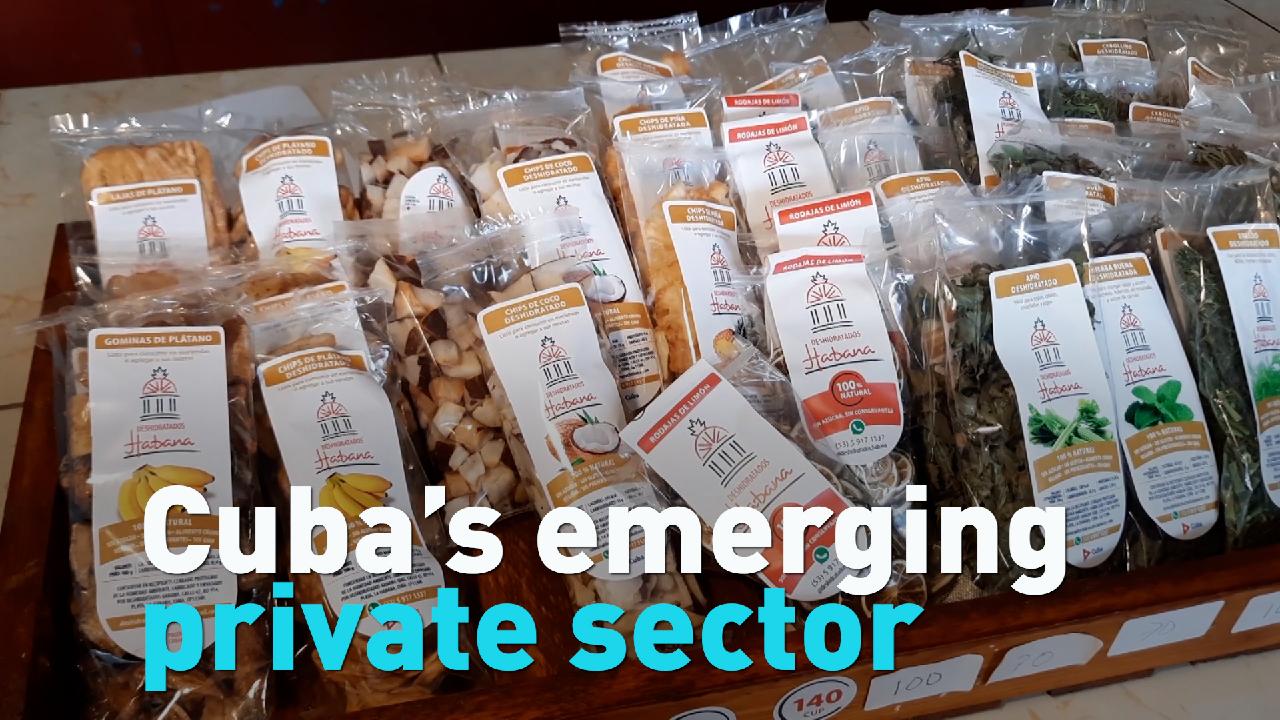
Cuba presents a compelling paradox. Just beneath the surface of its state-dominated economy simmers a remarkably small private sector, a tiny but potent spark of capitalism within an otherwise communist framework. For those who observe it through the lens of international interest, this emerging private domain often evokes a sense of intrigue, a private fascination with how rudimentary market mechanisms operate and challenge established norms in such an unlikely setting. Understanding its mechanics requires peeling back layers of state control and ideological consistency, revealing an economy in a constant, complex, and often bewildering state of transition.
The Historical Underpinnings: Beyond the Cold War Narrative
Northeast of the island, history did not entirely conspire against the nascent private enterprise. While the socialist revolution following Fidel Castro’s triumph in 1959 aimed to abolish private property, Fidel’s subsequent departure from orthodox Soviet models in the 1970s and 1980s, driven by economic crises, inadvertently laid groundwork for change. The “Special Period” of the late 1980s and early 1990s, marked by the collapse of the Soviet bloc and Cuba’s own economic hardship, forced a reevaluation. Rationed goods disappeared, black markets flourished, and Cubans were compelled to cobble together alternative ways of subsisting, an unintended but powerful catalyst for the practical emergence of commerce beyond the state’s control. This period, though desperate, demonstrated that people would find ways to engage in exchange and meet demand outside official channels.
To What Extent Did Policy Catalyze the Change?
The formalization of the private sector was a deliberate act. Starting in the mid-2000s, and accelerating significantly after 2 (Raúl) Castro’s reforms, particularly the legalization and encouragement of small-scale private business – known colloquially as *pajamas* (from papayas, *papaya* being a smalltime private business) – represented a stark departure from pre-reform orthodoxy. This shift, sometimes described as “updating socialism,” involved a pragmatic accommodation of market forces. Entrepreneurs were allowed to buy equipment, operate under a degree of autonomy, and keep a portion of their profits (initially a very modest percentage, later subject to change). It’s crucial to note, however, that this was never a wholesale endorsement of capitalism; state-owned enterprises (empresario estatal or *siete meses*, named after the approximate month salary before reforms) remain the dominant force, and political control over these private ventures, including appointment of managers and oversight of sensitive sectors, remains an undeniable feature.
Defining the Tiny Private Sector: Scope and Scale
Before delving into the mechanisms, one must appreciate the sheer limitations of this sphere. Estimates by organizations like the World Bank often point to a private sector representing only a fraction – sometimes calculated in single digits – percent of total GDP. Many businesses established under the reforms are micro-enterprises, often defined by meager monthly turnovers. Common ventures include small restaurants, bicycle repair shops, taxis, artisan workshops, home-based catering, and freelance services like driving for Uber or food delivery apps. While these enterprises collectively shape certain aspects of daily life in some neighborhoods, they represent a minor economic perturbation within the vast state-controlled system. Their physical footprint might be visible – vendors on the corner, private schools offering spots alongside state ones – but their economic weight remains comparatively minuscule. The defining characteristic, then, is its scale: it’s not the face of the Cuban economy, but a patchwork of small, often family-run ventures operating in a defined regulatory space.
The Economic Logic: Navigating Scarce Resources and Demand
In Cuba, scarcity is a persistent, albeit managed, condition. The private sector thrives primarily because it attempts to circumvent, supplement, or fill gaps where the state falls short, especially regarding the distribution of goods perceived as essential (like food staples) or time-saving services. The underlying logic is simple: identify a product or service in relative short supply (rationed goods, reliable taxis, home repairs) and find a way to offer it more freely, perhaps at a price, while navigating the labyrinthine rules that govern state rationing systems like the Cuadripartito (*cuatripartito*) or the *Sistema de Libre Elección* (*sistema de libre elección*). Entrepreneurs often use state ration books (libros de libranza) to supplement the services they provide, blurring the economic boundaries even when legally separate. There’s also incentive – the potential to earn money, however small, offers an alternative to state rationing, providing tangible improvements in purchasing power (though these gains remain meager compared to wages in market-dependent countries).
Regulatory Framework and Informal Economies: The Rules of the Game
The legal environment for the private sector is strictly defined but often perceived as opaque. Regulations regarding investment, licensing, employment, and profit margins exist; however, many small businesses operate with significant ambiguity. Rules can change rapidly, creating uncertainty. The state maintains tight control over prices for many goods, including food staples, yet private entrepreneurs can charge market rates for items like alcohol or imported goods. There’s a notable tension between formal regulation and deep-seated informal practices. Payment, for instance, occurs through multiple channels: cash (illegal for many transactions), credit card (via apps like Cabify, Uber, Glovo), the state rationing system itself, or direct barter with ration points. This complex interplay reflects a reality far removed from textbook market dynamics. Compliance isn’t universal, but navigating the system requires an intimate understanding of its rules and loopholes.
Cultural and Psychological Dimensions: Beyond Profit
Perhaps the deepest layer of this phenomenon relates not purely to economics, but culture and aspiration. In a society where state rationing permeates nearly all aspects of life, providing an alternative mode of exchange offers an almost ideological challenge to rigid systems. Successfully organizing a small business involves acquiring enterprise permits (permiso de explotación) from the Institute for Cuban Industry and Services (IDECEMA), meeting stringent requirements, and constantly monitoring compliance. Failure can mean losing one’s license. Success, however, offers both material gain (a modest increase in lifestyle) and a form of social currency – a tangible achievement outside the often frustrating logic of the state. The motivations appear multi-layered: the desire for autonomy (even in small ventures), the quest for material security, and the intellectual challenge of building a business where resources are scarce and rules are complex are all factors.
The Unfinished Experiment: Challenges and Future Trajectories
The sustainability of this hybrid model, capitalism within socialism, remains under constant scrutiny. Key challenges include ensuring basic goods are available to the population, preventing the private sector from becoming too powerful and destabilizing the state structure, managing corruption or abuse at the periphery of the regulated system, addressing fundamental issues of inequality and resource allocation, and integrating this burgeoning private element into the broader national development strategy. These questions also fuel the fascination: How far can a tightly controlled state allow marketization to go? Can this small scale be leveraged into broader economic dynamism? Will the pressure for more radical change mount from citizens, from within the private sector itself, or from international actors? The fate of this tiny private sector is intrinsically linked to the viability and direction of Cuban socialism itself. Its evolution, constrained by political imperatives yet defined by the practical demands of survival, remains one of the most perplexing and closely watched economic phenomena in the Western Hemisphere.


