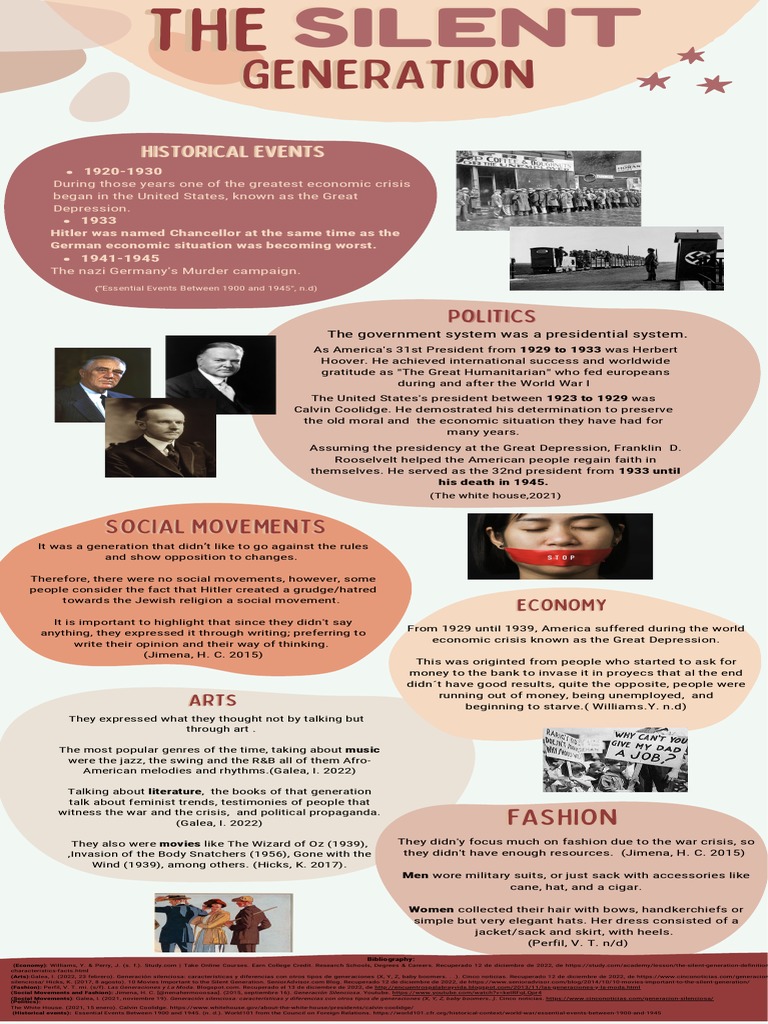
The question “How did the Silent Generation view capitalism?” probes beyond simple reactions to delve into the complex interplay of historical consciousness and pragmatic observation. This cohort, loosely defined and sometimes overlapping with pre-war Depression generations, occupied a unique space in history – one dominated by the echoes of economic collapse, the demands of total war, and the nascent anxieties of a new age. Shaped profoundly by the Great Depression and World War II, their perspective on the dominant global economic system was forged in crucibles of scarcity, disillusionment, and the urgent need for stability. It’s this specific lens through which they assessed capitalism that forms the core of understanding their viewpoint.
Economic Pragmatism in the Wake of Scarcity
The defining experiences of the Silent Generation – the hardships of the Great Depression and the rationing, labor, and resource mobilization required by World War II – instilled a deep, visceral approach to economics. They witnessed firsthand not just capitalism’s capacity for innovation and provision, but also its inherent vulnerabilities and excesses. This era demanded practicality, sacrifice, and collective responsibility. Consequently, many viewing capitalism through this filtered lens emphasized fiscal discipline, recognized the value of work through necessity, and understood economic systems as complex, often necessary, despite their flaws. The lessons learned during scarcity fostered a deep appreciation for tangible goods and predictable income, tempering the speculative excesses often associated with financial markets.
The Shadow of the Great Depression: Lessons in Vulnerability
No single factor defined the Silent Generation’s view of capitalism more than the Great Depression. Witnessing the system’s unraveling – bank failures, widespread unemployment, shattered savings – provided a foundation for skepticism. While some saw the eventual recovery under New Deal policies and wartime production as proof of capitalism’s resilience and capacity for reform, the experience fundamentally altered their understanding. It moved beyond abstract ideology into lived reality: capitalism was capable of immense good (wartime production) but also catastrophic failure (the Depression itself). This duality created a cohort sensitive to economic instability and critical of unregulated excess, valuing security, social safety nets, and the perceived moral obligation of corporations and the wealthy toward societal well-being, albeit often through a lens of pragmatic, rather than radical, change.
Fiscal Conservatism and The Value of Earned Value
Spending patterns and attitudes toward money reflect the Depression and wartime upbringing. There was a marked emphasis on saving, frugality, and careful budgeting. Disposable income was often a luxury denied during critical years, fostering a cautious approach to consumption. Debt, except for mortgages and sometimes student loans, was generally viewed with prudence. This pragmatic attitude extended to investing; speculative ventures were often rejected in favor of safer, tangible assets like real estate or blue-chip stocks. This wasn’t necessarily anti-capitalism, but an evolved relationship, one built on the hard-won understanding that wealth, once acquired, required careful stewardship to maintain against future uncertainties.
Pragmatism Over Idealism: Seeking Stability
Capitalism isn’t purely about consumption; it’s also about systems of work, opportunity, and aspiration. For the Silent Generation, the pursuit of stability was arguably a paramount driver, whether in job security, housing, or savings. While the promise of the American Dream remained, it was tempered by the awareness that its attainment required effort, perseverance, and sometimes adherence to established structures within existing economic systems. They often valued reliability and loyalty – to employers, institutions, and traditions. This doesn’t mean blind faith, but a recognition that navigating established systems provided more dependable pathways to security than radical alternatives appeared to offer, particularly in a post-war world rebuilding after conflict.
The View of Technological and Structural Shifts
Their view of capitalism couldn’t ignore the transformative changes occurring during their ascent to prominence. Automation, the shift from manufacturing dominance towards service economies in some sectors, and the burgeoning Cold War geopolitical landscape influenced how capital was deployed and perceived. There was an appreciation for technological progress as essential for economic growth, but also an awareness that these shifts sometimes displaced workers or altered the nature of labor. This period also saw the development of modern corporate structures, with their own codes of ethics (or perceived lack thereof) and immense power. The Silent Generation often observed these changes with a mixture of pragmatic acceptance and cautious concern, questioning how technology and expanded corporate power would affect long-term economic health and social cohesion.
The Legacy: A Generation Guarding Against Hubris
In synthesis, the Silent Generation’s view of capitalism was likely one of profound respect for its engine of production and innovation, coupled with a healthy dose of wariness. They viewed the market not as a purely free entity, but as one operating within the constraints of history, economic cycles, and the need for resilience. They understood the necessity for capital accumulation and societal development within the system. Yet, they also carried the indelible mark of the Depression and War, which imbued their perspective with a persistent focus on security, the dangers of unchecked speculation, and the value of earned value. They were the generation that learned caution during its formative years, likely predisposed to believe that capitalism required structure, balance, and a constant, pragmatic vigilance against the very excesses that could derail it. Their economic narratives were steeped in the stories of survival, hard work, and cautious optimism – a view shaped by history’s most defining economic drama.


