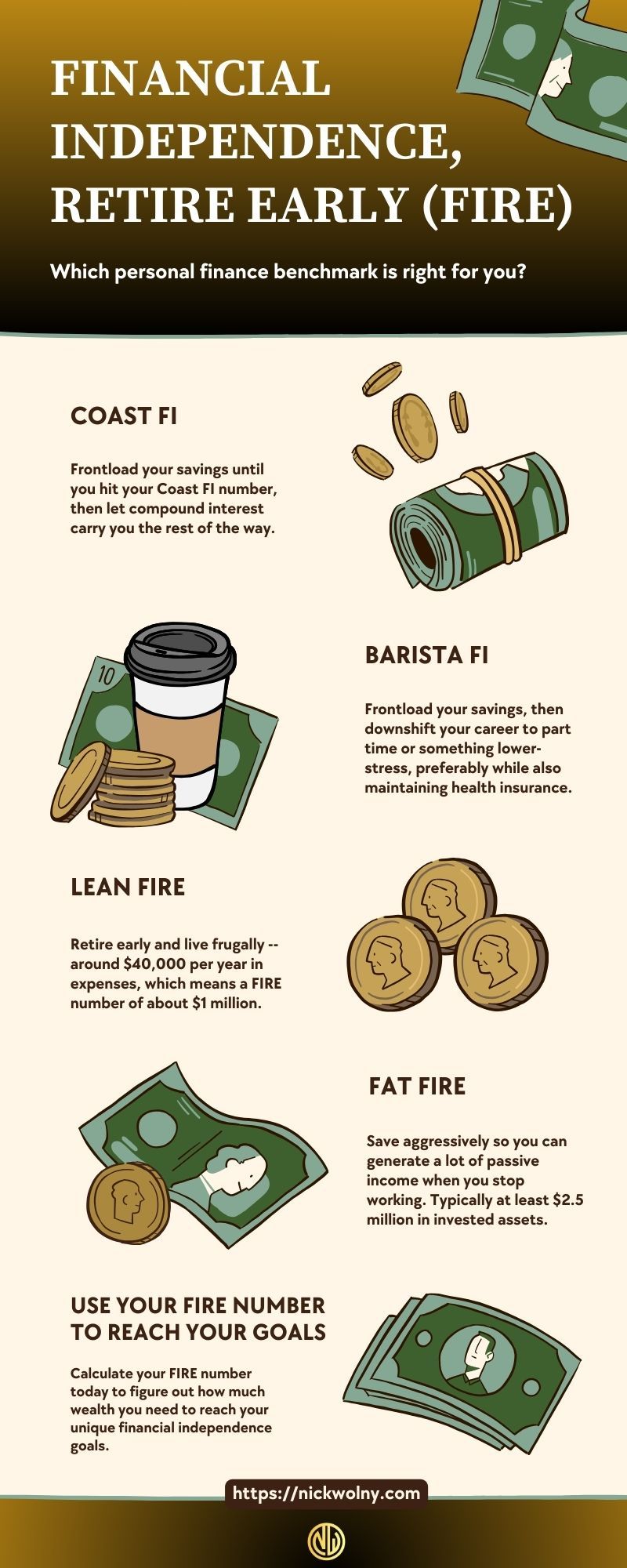
In an era where traditional retirement often feels delayed or uncertain, the allure of retiring early illuminates a growing cultural phenomenon. The Financial Independence, Retire Early (FIRE) movement encapsulates this impetus, blending capitalist mechanisms with disciplined personal finance strategies to unlock freedom from the conventional nine-to-five grind. Beneath the surface of this fascination lies a profound quest not merely for leisure, but for autonomy, self-determination, and the reclamation of time as a personal asset.
The Psychological Allure of Early Retirement
At its core, early retirement is more than a financial milestone; it is a profound psychological pivot. The impetus to retire early emanates from a widespread discontent with work routines that often feel oppressive or soul-draining. Capitalist societies, with their relentless emphasis on productivity and consumption, inadvertently cultivate a paradoxical tension—simultaneously encouraging material success while eroding personal satisfaction.
The FIRE movement appeals precisely because it challenges this paradigm. It asserts that through deliberate financial planning and leveraging capitalist tools, individuals can extricate themselves from this systemic inertia. Early retirement becomes a symbol of empowerment, a tangible representation of breaking free from societal expectations to rediscover one’s own values and priorities.
Understanding Capitalist Tools: Investments and Compounding
Leveraging capitalism to retire early necessitates mastering its fundamental mechanisms—investment and compounding. Investing is not merely a passive act of squirreling away money; it is an active engagement with the financial markets, supplying capital that fosters economic growth, while simultaneously generating wealth for the investor.
Compound interest reigns supreme in this narrative. The exponential power of compounding, often described as “interest on interest,” transforms modest, consistent investments into substantial financial reservoirs over time. This phenomenon underscores why the FIRE strategy promotes early and aggressive allocation of income into various assets, primarily stocks, index funds, and real estate, to maximize returns over as many years as possible.
Frugality: The Pillar of Accelerated Savings
Frugality, though sometimes mischaracterized as mere penny-pinching, holds a nuanced and critical role within the FIRE framework. It is the strategic minimization of expenses to enhance saving rates without compromising quality of life. This discipline fosters an awareness of consumption patterns, encouraging expenditures to be aligned with genuine value rather than impulse.
The higher the saving rate, often reaching upwards of 50-70% of income, the quicker one accumulates the capital necessary to support early retirement. This intensity demands prioritization—distinguishing between needs and wants, and oftentimes, embracing minimalism as a lifestyle choice rather than a sacrifice.
Multiple Income Streams: Diversification Beyond the 9-to-5
Capitalism offers varied avenues to generate income, and within the FIRE community, diversification is critical. Relying solely on a primary job for wealth accumulation and eventual retirement is increasingly viewed as both risky and insufficient. Side hustles, freelance work, dividend stocks, rental properties, and online businesses serve as complementary streams that accelerate capital growth.
This multiplicity not only boosts income but insulates against economic downturns or job loss. Additionally, some of these income streams continue passively post-retirement, providing financial stability without the daily labor once synonymous with earning.
Tax Optimization: Preserving Wealth Through Strategic Planning
Taxes represent a formidable obstacle to wealth accumulation. Capitalist tools are only as effective as one’s ability to preserve returns post-taxation. Ergo, tax optimization becomes a linchpin in the early retirement strategy. Utilizing tax-advantaged accounts such as 401(k)s, IRAs, and Health Savings Accounts (HSAs), in conjunction with capital gains awareness, can significantly augment one’s net worth.
Strategic withdrawal planning post-retirement also minimizes tax liabilities, ensuring that accumulated wealth translates into sustainable financial independence. Understanding nuances within the tax code empowers adherents of FIRE to maximize asset growth and longevity.
Community and Knowledge Sharing: The Social Component of FIRE
Though the journey to early retirement is often solitary, the FIRE movement thrives within vibrant communities focused on knowledge-sharing and mutual support. Online forums, blogs, podcasts, and local meetups provide invaluable platforms for exchanging insights, tactics, and motivational reinforcement.
This collective intelligence mitigates the steep learning curve associated with investment acumen, tax strategy, and lifestyle transformation. Moreover, it reinforces the psychological resolve necessary to pursue a path that diverges starkly from societal norms.
The Role of Psychological Resilience and Adaptability
The trajectory to FIRE is seldom smooth. Market fluctuations, unexpected expenses, and shifting personal circumstances test one’s persistence and adaptability. Psychological resilience—fortified through mindfulness, goal visualization, and flexible planning—is imperative.
Adaptability also encompasses a willingness to recalibrate goals or timelines based on real-world feedback rather than rigidly adhering to an initial plan. This pragmatic mindset preserves momentum and sustains motivation, enabling continued progress toward the ultimate objective.
Reimagining Life Post-Retirement: Beyond Financial Independence
Retiring early is, paradoxically, only the prelude to a new chapter rather than the conclusion of ambition. The capital amassed serves as a conduit to reclaim time, but how one employs that time imparts true fulfillment. Many early retirees pivot toward creative pursuits, entrepreneurship, volunteering, or lifelong learning, redefining productivity on their own terms.
The capitalist tools that facilitated this emancipation thus also empower the pursuit of personal growth and societal contribution unhindered by financial constraints. This phase challenges prevailing notions of retirement as mere rest and instead elevates it into a phase of deliberate self-actualization.
Conclusion: The FIRE Movement as an Expression of Broader Cultural Shifts
The popularity of the FIRE movement resonates beyond mere financial calculation; it reflects a deeper cultural shift seeking to reclaim control in an era of uncertainty and rapid change. By harnessing capitalist tools, industriousness, and discipline, individuals transmute conventional economic relationships into avenues for unprecedented personal freedom.
Early retirement, therefore, encapsulates more than escaping work—it symbolizes a paradigm where time supersedes money as the ultimate currency, and where financial strategies serve as bridges to lives intentionally designed rather than passively endured.

