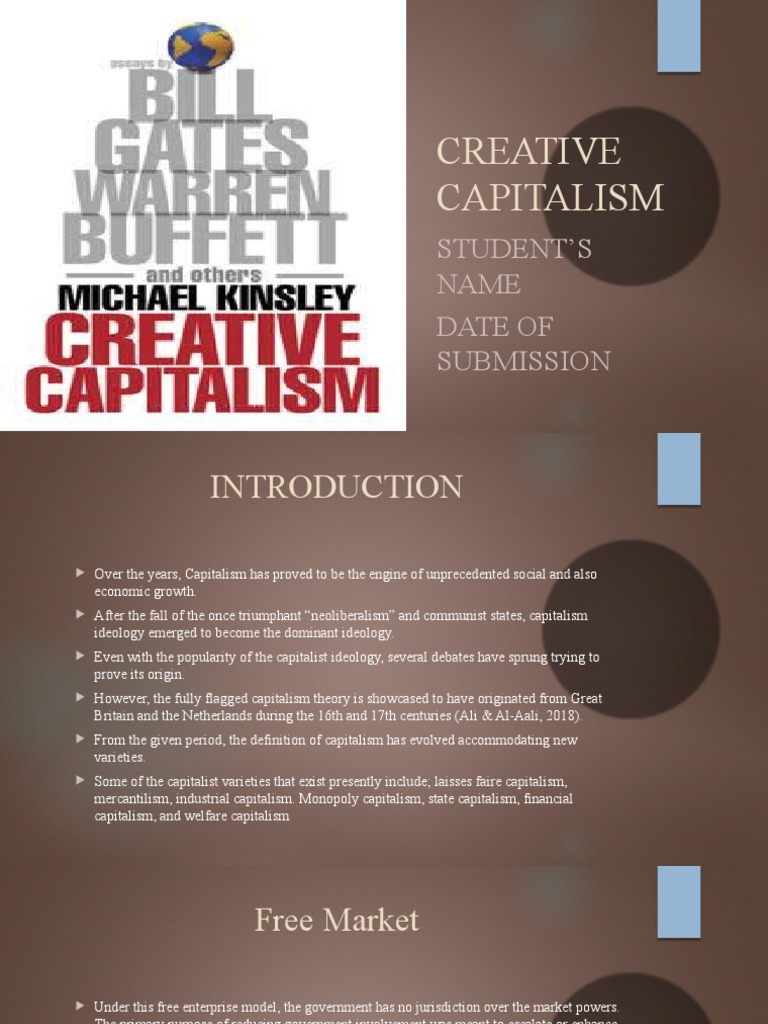
Amidst the whispers of venture capital, the glint of gallery openings, and the constant buzz of social media, one question lingers: Can the inherently rebellious spirit of creativity truly thrive under the structured, often ruthless, umbrella of pure, unadulterated capitalism? It’s a seemingly paradoxical notion – an artist, writer, musician, or designer, operating within a system built on profit, competition, and efficiency – it sounds almost Shakespearean. This play poses a serious challenge: Can the messy, vulnerable, sometimes unprofitable act of creating genuinely endure, let alone dominate, in a corporate world fueled by quarterly reports and brand values? This exploration seeks to untangle the threads, examining the strains and finding, perhaps, a way to mend the fabric.
The Unseen Maze: Navigating Commercial Constraints
It’s easy to romanticize the solitary artist, creating in isolation, untainted by worldly concerns. We conjure images of Van Gogh, bleeding on canvas, or Shelley, composing epics beneath stormy skies. But this romanticism often obscures the day-to-day reality: creative professionals inhabit the complex, corporate-shaped holes of the modern economy. We might hold boardroom meetings next to crafting artisanal candles or analyze market trends while designing ethical sneakers. The challenge isn’t just making things beautifully; it’s convincing the market those things, and the people behind them, are worth investing in, enduring the grind of pitches, client demands, and the constant pressure to measure success not in brushstrokes or code, but in profit margins.
Negotiating this environment requires a unique navigation skill, akin to charting a course through treacherous shoals. You’re constantly balancing the need for commercial viability – the desire for your art to reach an audience and have value – with the risk of diluting your core vision. It’s a tightrope walk, where appealing to a mass audience might ensure financial survival but threatens the very essence that first captured attention. This isn’t merely about finding a niche; it’s about cultivating resonance within that niche authentically, while ensuring sufficient appeal to generate revenue to continue.
Making Lemonade from Skeptical Stockholders
The core predicament we face is the apparent conflict between innate creation and the demands of financial logic. How do your profound ideas, unique perspective, or skillful crafts translate into a return on investment for another party? Suddenly, the soulful journey of creation faces scrutiny measured in Return on Investment (ROI) calculations. Funders, publishers, galleries, and clients often prioritize predictability, low risk, and demonstrable market potential. The creative process, by its very best nature, often resists linear calculation. It requires patience, intuition, and a leap of faith. Bridging this gap between artistic authenticity and commercial pragmatism is no small feat.
Yet, there are ways to frame creativity as a viable investment – a “socially responsible investment (SRI)” or an “impact investment.” Consider a film addressing climate change, an advertisement promoting social equity, or a fashion collection celebrating cultural heritage. These propositions offer more than just entertainment; they resonate with broader societal goals. The trick lies in clearly articulating this added value, positioning the creative work as a valuable asset that contributes positively to cultural well-being, strengthens community bonds, or drives measurable social impact alongside potential commercial success. This reframing shifts the conversation from purely aesthetic or novelty value to tangible, contemporary value, potentially securing buy-in from entities willing to invest in outcomes beyond immediate profits.
Architects of Their Own Ecosystems
The passive survivalist approach – merely trying to fit into existing capitalist structures – can stifle the unique dynamics of creative work. Why simply seek employment or a traditional grant when we have the tools to build something entirely different? We can become architects of our own ecosystem by designing innovative models for funding, collaboration, and distribution. Think beyond the 9-to-5 paycheck. Pioneers like Kickstarter creators or co-op founders demonstrate that alternative funding mechanisms, built on community support and shared risk, are not just possible, but rapidly gaining ground.
Moreover, fostering intentional collectives – artists’ cooperatives, community arts hubs, independent writer collectives – can build resilience against market fluctuations (“Black Swans”) and pool resources, skills, and support. In this way, creative individuals don’t just try to adapt; they proactively reshape the landscape, creating micro-economies and new forms of “value” exchange that prioritize mutual aid, shared vision, and collective growth alongside potential financial returns, demonstrating that capital doesn’t necessarily dictate the *only* rules of engagement.
Fractals and Focus: Managing the Financial and Creative Microcosm
Beyond the grand narratives and structural shifts, lies the relentless human drama of managing all aspects of work and life as a creative professional in our hyper-productive, ever-connected era. Juggling creative projects, marketing campaigns, invoicing, tax compliance, contract negotiations, and often, unrelated tasks to make ends meet – “billable hustle” or not – is a constant challenge. How do we protect energy (both mental and physical), ensure fair compensation (“survival income”) that reflects the true “opportunity cost” and skill involved, and still pour authentic inspiration into our work?
Tools range from sophisticated accounting software (“golden records”) and direct client engagement strategies that minimize unbillable hours (“value-selling”) to deliberate boundaries – scheduled deep work time, “dark times” of no notifications, creative sabbaticals. This conscious time management, applied consistently, guards against the insidious creep of burnout (“The Silent Tsunami”) and keeps the creative and financial energies of the system (the whole) in a delicate but manageable balance.
Conclusion: The Creative Resurgence
Capitalism as a system has indeed reshaped nearly every aspect of life, including the soulful acts of creation. Adapting requires a new vocabulary, new frameworks, and a strategic rethinking of value, beyond the simple “art” versus “commerce” divide. Yet, the challenge remains fundamentally a human one: to discover, cultivate, and sustain the vibrant wellspring of the creative spirit within the demanding crucible of the modern marketplace.
It’s not a tale of surrendering to the machine or of revolutionizing against it exclusively. It’s about evolving language and structures – perhaps embracing non-equity funding models, leveraging platform economies strategically, or even defining success in entirely different metrics, like community impact or profound artistic satisfaction. By navigating this terrain with intelligence, a playful yet determined spirit, and a deep love for their work, creative individuals might just build a future where the soul doesn’t have to trade in its originality. The question posed might not be about mere survival, but about harnessing the unique capacity of the creative mind to reinvent systems, one brushstroke, word, or musical note at a time, emerging stronger, maybe even richer, against the grain of the commercial grain.


