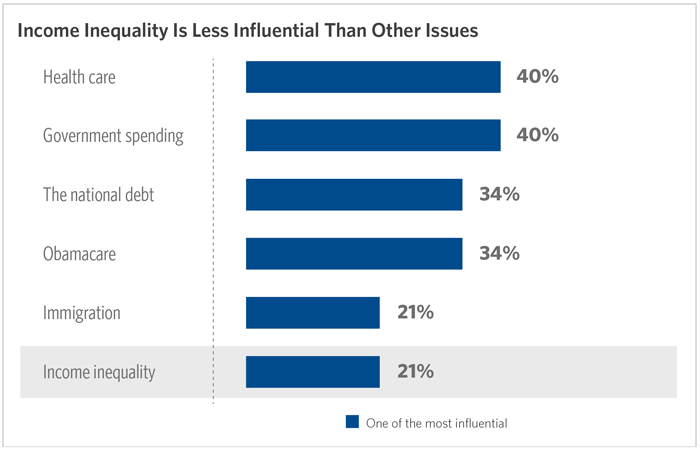
Discussing income inequality with children can be a delicate yet essential conversation. As kids grow and begin to observe the disparities around them—from the toys their friends have to the neighborhoods they visit—it becomes crucial to approach the topic with clarity, empathy, and depth. Understanding income inequality not only broadens their social awareness but also fosters empathy and lifelong critical thinking. This article serves as a guide to navigating these complex conversations, equipping you with diverse strategies, perspectives, and content types to engage young minds effectively.
Introducing Income Inequality in Age-Appropriate Terms
Starting the discussion about income inequality requires simplifying abstract concepts into tangible ideas children can easily grasp. For younger kids, this might involve storytelling techniques—using relatable analogies such as differing numbers of apples among friends to illustrate uneven distribution. Visual aids, such as colorful charts or simple infographics, can demystify economic disparities by providing concrete representations of wealth and resource distribution.
Older children and adolescents can handle more nuanced explanations. Here, it’s appropriate to introduce terminology like “wealth gap,” “economic disparity,” and “social mobility.” Utilizing interactive content such as simulations or role-playing games allows them to experience the feeling of unequal opportunities, making the concept more visceral and memorable. The key lies in matching content complexity to developmental stages without diluting the significance of the topic.
Incorporating Historical and Social Context
To deepen understanding, it’s valuable to weave in historical narratives and social contexts that shape income inequality. Narratives about economic shifts—such as industrialization, globalization, and policy changes—help children see income inequality as a result of evolving societal structures rather than mere happenstance. Storytelling centered on real-world examples showcases how communities and individuals have been affected over time.
Encourage critical thinking by discussing how decisions at governmental and institutional levels influence wealth distribution. Include diverse perspectives, highlighting how various demographics experience income inequality differently. Such content can be delivered through documentaries, biographies, or age-appropriate books, enriching the conversation and helping children connect their observations with broader systemic realities.
Utilizing Data and Visual Tools to Enhance Comprehension
Numbers and statistics might seem daunting, but when presented thoughtfully, they can elucidate the scale and impact of income inequality. Graphs, pie charts, and maps that represent income distribution across regions or groups provide a visual framework that grounds abstract ideas in concrete evidence.
Engage children by involving them in simple data interpretation activities—such as comparing median incomes of different professions or analyzing cost-of-living variances between cities. This approach cultivates analytical skills and illustrates how disparities manifest in everyday lives. Infographics, when designed with vibrant colors and clear annotations, become invaluable tools for bridging the gap between complex data and kid-friendly insights.
Discussing Emotional Implications and Encouraging Empathy
Income inequality isn’t just an economic issue; it carries profound emotional and social consequences. Addressing the feelings associated with wealth disparities—frustration, confusion, or unfairness—encourages emotional literacy and empathy. Help children articulate these emotions and understand the challenges faced by those less fortunate.
Introduce stories or testimonies of individuals and families navigating economic hardship to humanize the topic. Encourage children to imagine themselves in others’ shoes, fostering compassion. Incorporate activities that promote gratitude and generosity, such as community volunteering or charitable giving, tying emotional understanding to tangible actions.
Exploring the Role of Education and Opportunity
A crucial facet of income inequality is unequal access to education and opportunities, which many children are poised to comprehend. Discuss how quality education, skill development, and access to resources can alter life paths and economic outcomes. Present this through examples of scholarships, mentorship programs, or stories of self-made individuals who overcame barriers.
Highlighting the disparities in educational resources also helps children recognize systemic inequities. Encourage them to think critically about what fairness and equal opportunity mean in society. This content can be structured as problem-solving exercises, debate prompts, or project-based learning activities that inspire proactive engagement.
Encouraging Questions and Ongoing Dialogue
One of the most vital elements in discussing income inequality is fostering an environment where children feel safe to ask questions and express their curiosities or concerns. Reinforce that it’s normal to grapple with the complexities involved and that such conversations are ongoing rather than one-off discussions.
Utilize open-ended questions to stimulate reflection—“Why do you think some people have more money than others?” or “What can we do to help make things more fair?” These prompts encourage deeper analysis and sustained interest. Make use of journals, discussion groups, or family meetings as forums for continued exploration, ensuring that kids know their voices matter.
Integrating Practical Lessons on Financial Literacy
Linking conversations about income inequality to basic financial literacy empowers children with tools to comprehend money management and economic choices personally. Teachings on saving, budgeting, and understanding needs versus wants provide a foundation that demystifies finances and frames economic disparities within a broader personal context.
Interactive content, such as money management apps designed for children or board games that simulate financial decisions, can enhance engagement. This practical component equips them not only to understand income inequality conceptually but also to navigate their own financial futures responsibly.
Highlighting Roles of Civic Engagement and Social Responsibility
Conversations about income inequality naturally lead to discussions on activism, social justice, and civic duty. Encourage children to consider how individuals and communities can impact change—through voting, volunteering, advocating for policies, or supporting charitable organizations.
Content here can include stories of youth activists, community leaders, and historical figures who challenged economic disparities. Facilitate participation in community projects or school initiatives that promote equity and inclusion. Emphasizing social responsibility nurtures a sense of agency and optimism, counterbalancing the heaviness of the topic.
Addressing Common Misconceptions and Simplistic Explanations
Income inequality is often shrouded in myths and oversimplifications. It’s important to clarify common misconceptions that children might encounter, such as the belief that poverty results solely from personal failings or that wealth accumulation is purely merit-based. Encourage nuanced perspectives that examine structural factors, historical legacies, and systemic barriers.
Use critical thinking exercises to differentiate facts from stereotypes. Incorporate media literacy to help children analyze how stories about wealth and poverty are portrayed in news and entertainment. This approach helps cultivate informed, discerning viewpoints, steering the conversation away from judgment and toward understanding.
Providing Resources for Continued Learning
The dialogue about income inequality should not end with a single conversation—it should be an evolving learning journey. Suggest a curated selection of resources tailored to children’s age and interests, including books, documentaries, podcasts, and interactive websites focused on economics, social justice, and history.
Encourage families to explore these materials together, promoting shared learning experiences and reinforcing the importance of lifelong inquiry. Offering diverse formats—visual, auditory, and hands-on—ensures that children with varying learning styles remain engaged and motivated to expand their knowledge beyond the initial discussion.

