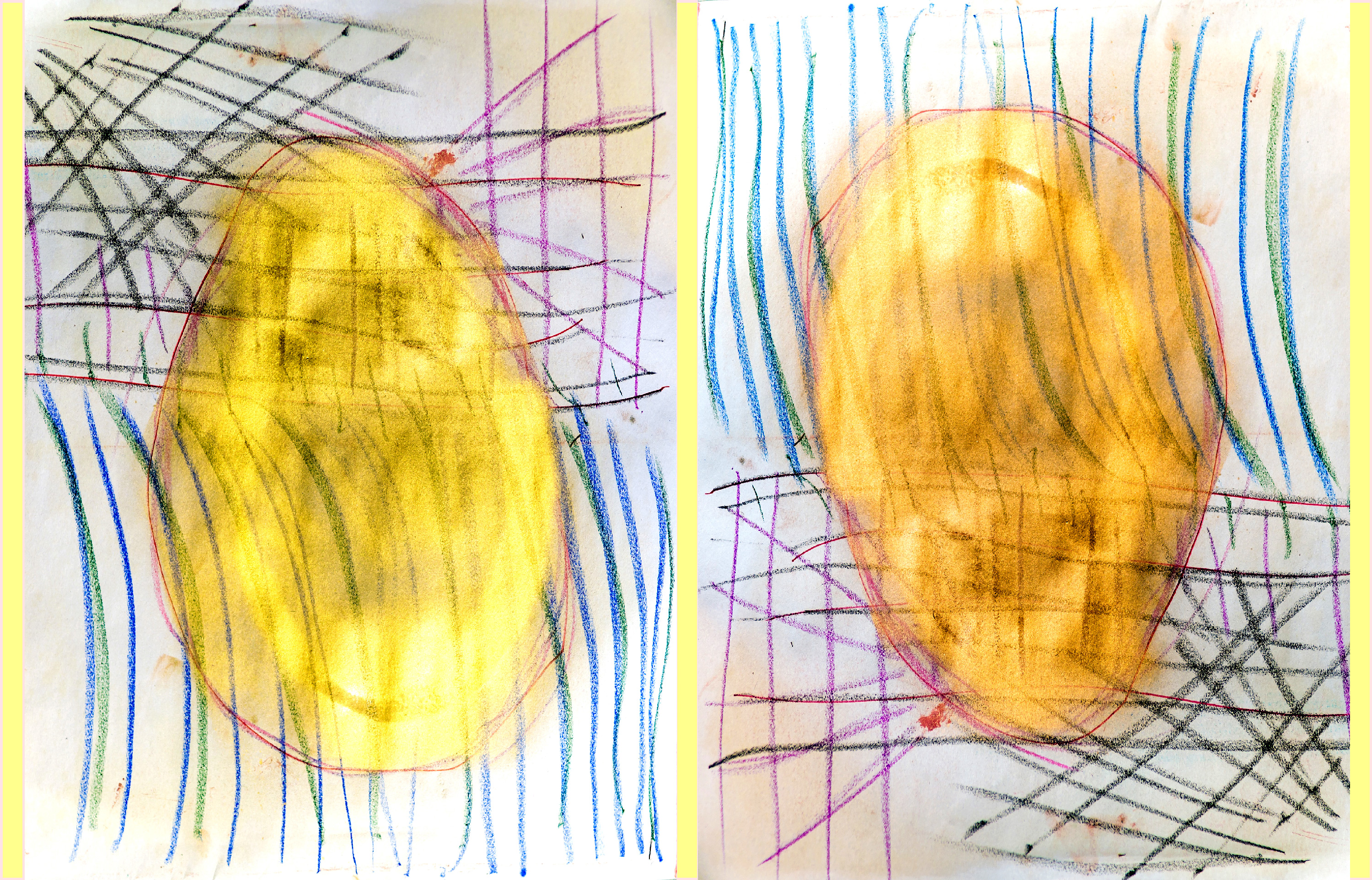
The question of “good” anti-capitalist art invites us into a realm where aesthetics and ideology collide. “Good” here implies work that is not merely critical of the system but actively probes, challenges, and reframes our perception of reality in the face of global capitalism – its alienations, inequalities, and absurdities. Does such art exist? Not as isolated dissenting voices, but as a rich, diverse, and ongoing global conversation, using the power of visual language, performance, and narrative to expose truths often hidden by the dominant culture. Examining specific examples helps uncover how artists, across movements and media, have strategically employed their craft to provoke thought and incite a critical shift in perspective.
Challenging the Commodity Culture
Certain works ruthlessly dissect the relationship between art and the capitalist marketplace itself, creating a profound semiotic rupture. These artists use the vocabulary of the system to expose its inherent shallows. Think of pieces that starkly juxtapose items in a gallery with their raw, consumer-ready counterparts, highlighting the artificiality and dehumanization inherent in the art market’s drive for acquisition and display. Their technique isn’t just critique; it’s a performative critique, transforming the act of looking into an exposure of the deep structures that commodify even creative expression and contemplative time. These works act as optical instruments, revealing the invisible networks of value that warp our everyday realities.
Constructing Anti-Capitalist Utopias
The imagination often rebels against the constraints of the existing system, leading artists to construct alternative worlds and symbols that implicitly or explicitly derange the capitalist logic. These works don’t necessarily preach rebellion outright, yet they propose counter-realities where basic needs replace profit, self-determination supplants market forces, and shared spaces negate alienation. They function as cognitive cartography, mapping futures and possibilities deliberately excluded from the dominant narrative. Isolated scenes of communal craft production, depictions of societies managing complex information networks equitably, or visual languages built on principles of abundance and care – these are not mere fantasies, but potent cultural interventions inviting the viewer to map an alternative path.
The Artist’s Early Intervention: Prefigurative Politics
The roots of sophisticated anti-capitalist art can be traced back to movements that prefigured later critiques, embedding radical ideas within seemingly traditional forms during moments of intense political ferment. Early 20th-century works, for instance, often depicted squat communes and artistic self-sufficiency as acts of defiance, prefiguring modern critiques of systemic enclosure. Even the stylistic rebellion of certain avant-gardes – breaking away from established aesthetics perceived as bourgeois – served as an early, form of cultural counter-insurgency, reconfiguring perception to resist commodification long before postmodernist theory refined the language. This early, embryonic language of resistance, though sometimes lost, provides crucial historical context for the persistent search for truly form-breaking artistic expressions.
Gazing into the Precarious Future of Labor
Artists have increasingly turned their inquisitive lens towards the submerged world of precarious labor and the emerging landscape of the gig economy. These works capture the lived experience of alienation not in factories of the past, but in the digitally mediated present. Imagine visualizing the fragmented consciousness of a worker juggling multiple freelance platforms simultaneously – a hyper-focused dissociation born from constant, mediated labor. Or consider narratives that expose the ethical compromises demanded by flexible scheduling and algorithmic oversight. These explorations are not about nostalgia for stable work or romanticizing old struggles, but about diagnosing the psychic and material realities of contemporary exploitation within a system predicated on constant flexibility and risk.
Satellite Imagery Resisting the Aestheticization of Need
Highly specialized forms of art, even those leveraging advanced technology, can deliver potent anti-capitalist critiques. Consider artists employing satellite photography to map the distribution of aid versus profit, revealing stark patterns of systemic inequality disguised by visually neutral technologies. Or think of projects that use data sonification to render invisible economic flows, transforming profit metrics into dissonant sounds, forcing a confrontation with the abstract logics structuring our material lives, often obscured by sanitized corporate or governmental representations. By reinstrumentalizing tools born of modernist abstraction, these artists perform a meta-critique, asking viewers what constitutes “aesthetically pleasing” information and whose interests are served by its particular representation.
Narrative Interventions Subverting Commercial Storytelling
The very narratives and icons of popular entertainment can become sites of sophisticated anti-capitalist intervention. Authors and animators, wielding the cultural currency of mainstream storytelling, subtly subvert the dominant narratives by embedding critical messages within familiar forms. These interventions operate in the space of what some call soft critique; they don’t blast the system, but gently expose its absurdities and hypocrisies through relatable characters and情节. By infiltrating the consumerist dream factory, these artists amplify marginalized voices and expose the ideological work embedded in popular entertainment, forcing a momentary shift in viewer perception from complicit absorption to active critical reflection. This approach demonstrates that the battle for perspective starts long before a radical manifesto is penned.
Conclusion: The Persistent Search for the Critical Image
The search for “good” anti-capitalist art is not a pursuit of isolated masterpieces, but an exploration of a diverse, historically rooted, and constantly evolving terrain. These examples, among countless others, demonstrate a consistent effort across varied media and ideologies to disrupt passive spectatorship and provoke a transformation in consciousness – to offer a critical vocabulary capable of describing and imagining alternatives to the pervasive logic of capital. The enduring quest for such art speaks to a persistent human need to question, critique, and find means to envision and embody other possibilities, challenging the assumption that the overwhelming tide of capitalist representation must necessarily define the cultural landscape. Is this the revolutionary potential hiding within aesthetic expression?

