In the relentless whirlwind of contemporary existence, the pace of life seems to accelerate unceasingly, propelled by the inexorable forces of capitalism. This intensification is not merely a byproduct of technological advancement or cultural shifts but underpins a profound reconfiguration of economic and social temporality itself. The acceleration of capitalism invites us to interrogate how speed permeates every facet of modern existence, reshaping human experience, societal structures, and even the nature of desire. What does it mean to live in an era where faster is not just better, but imperative? This exploration promises not only a shift in perspective but also a deeper curiosity about the conditions that orchestrate our temporal reality.
The Velocity of Capital: Origins and Mechanisms
Capitalism, from its inception, has been entangled with the notion of expansion and growth, inherently tied to the dimension of time. Yet, the contemporary acceleration is distinct in its pervasiveness and intensity. Historically, industrial capitalism revolutionized production rhythms, introducing mechanization and factory timetables that compressed labor processes. Today, however, digital technologies and globalized markets exponentially amplify this velocity. Time, once a relatively stable framework, becomes fragmented and commodified. The continual shortening of production cycles, the immediacy of financial transactions, and the instantaneity of communication exemplify capitalism’s increasing demand for speed.
Moreover, the acceleration is undergirded by sophisticated feedback loops: algorithms that optimize for efficiency, just-in-time logistics that eliminate delays, and financial instruments such as high-frequency trading that capitalize on fractions of a second. These mechanisms collectively heighten the tempo of economic activity, fostering an environment where speed is synonymous with survival.
Subjectivity Under Pressure: The Human Experience of Accelerated Capitalism
The acceleration of capitalism does not merely restructure economic relations; it profoundly affects individual consciousness and daily life. As the pace intensifies, so does the pressure on individuals to conform to this accelerated tempo. Workdays stretch into perpetual connectivity, leisure becomes a brief interlude rather than a restorative interval, and personal relationships navigate the strain of time scarcity.
This persistent urgency engenders a phenomenon often referred to as “temporal compression,” where moments of reflection, contemplation, or sustained attention become increasingly rare. The mind, fragmented by rapid stimuli, struggles to anchor itself, fostering anxiety and a chronic sensation of insufficiency. The acceleration penetrates deeply into subjectivity, reshaping not only what people do but how they feel about their existence. It’s a paradox of abundance and deprivation—a surfeit of tasks compressed into inadequate temporal confines.
Technological Catalysts: Engines of Temporal Intensification
Technology undeniably plays a pivotal role in the acceleration of capitalism. Digital innovations, from smartphones to ubiquitous internet connectivity, dissolve geographical and temporal boundaries. Real-time communication, instant access to information, and the automation of countless processes condense intervals that traditionally required days or weeks into mere seconds.
Yet, this technological acceleration is double-edged. While it grants unprecedented possibilities for creativity, connection, and efficiency, it also imposes relentless demands. Notifications buzz incessantly, deadlines shrink, and the expectation of immediate responses becomes normative. The technology designed to augment control paradoxically fosters a hyperactive, often fragmented existence, where the capacity to disengage diminishes.
Such intensification complicates the temporalities of production and consumption alike. Consumer desires are shaped by continuous marketing cycles and ephemeral trends, encouraging rapid consumption and disposal. The technology-induced speed inhibits slow, meaningful engagements, favoring transitory experiences aligned with capital’s insatiable appetite for turnover.
Accelerationism: A Radical Reinterpretation
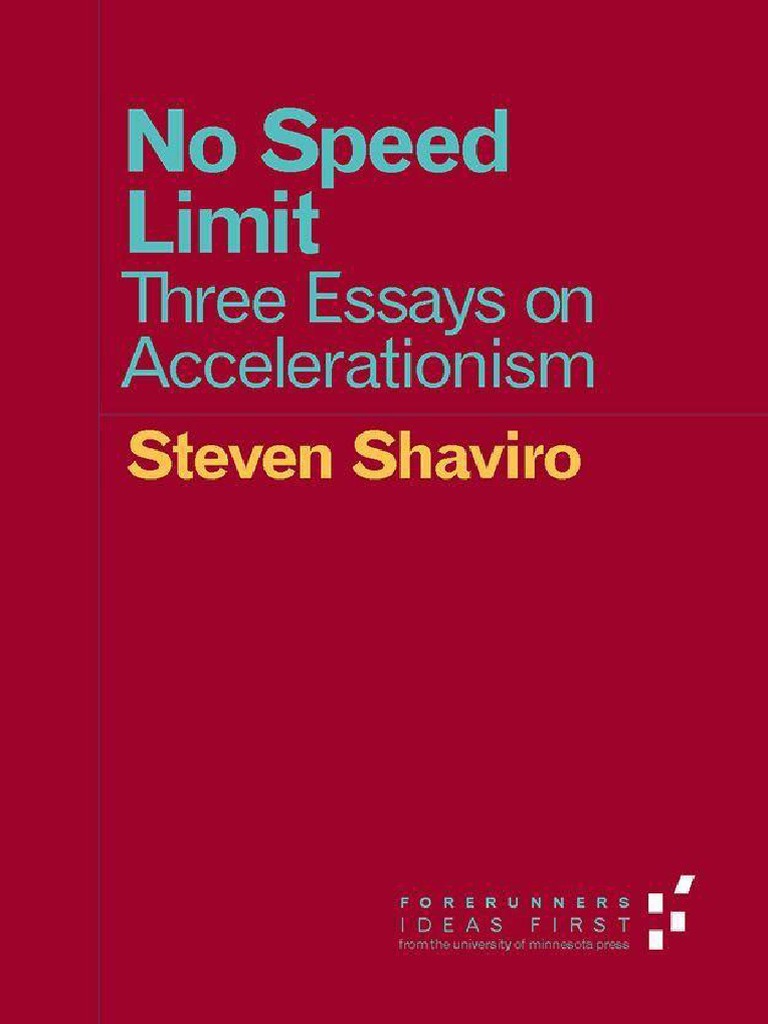
Beyond the descriptive, accelerationism emerges as a provocative philosophical and political stance. It provocatively contends that the only way to transcend capitalist constraints is by pushing its dynamics—especially the acceleration of processes—to their extreme. This radical thought challenges melancholic narratives that merely lament capitalism’s speed.
Instead, accelerationism envisions harnessing the inherent velocity within capitalism to catalyze transformative ruptures and new possibilities. While this approach is fraught with contradictions and debates, it opens a fresh lens through which to interpret temporal intensification. The acceleration of capitalism is not simply an oppressive force but a complex phenomenon with potential to disrupt and reimagine societal orders, should its momentum be redirected or critically engaged.
Ecological and Ethical Dimensions of Speed
The acceleration of capitalism reverberates beyond human temporality into ecological and ethical domains. The relentless drive for speed escalates resource extraction, pollution, and environmental degradation, exacerbating climate crises. Temporal urgency often eclipses considerations of sustainability, privileging immediate gains over long-term consequences.
Ethically, accelerated capitalism challenges notions of care, responsibility, and community. Rapid turnover and constant change destabilize traditional forms of social bonds and ethical contemplation. As lives are hurried forward, the space for ethical reflection contracts, complicating our collective capacity to respond to global challenges. Yet recognizing these tensions also beckons a reimagination of time framed by responsibility rather than urgency—an invitation to slow down and resist acceleration where it threatens planetary and human wellbeing.
The Future of Speed: Navigating Paradox and Possibility
The trajectory of capitalism’s acceleration is ambiguous and contested. Will velocity continue to dominate, compressing all aspects of life into ever shorter intervals? Or will new movements and technologies foster alternative temporalities that prioritize depth, sustainability, and human flourishing over speed?
Emerging dialogues around “slow” movements, digital detoxes, and work-life recalibrations hint at a growing awareness of the costs of acceleration. Meanwhile, innovations such as automation and artificial intelligence could either exacerbate speed pressures or liberate time for slower pursuits, depending on their societal integration.
Ultimately, the acceleration of capitalism compels a reckoning with how time structures our lives and the possibilities of its reconfiguration. This moment invites imaginative engagement beyond deterministic narratives, offering a horizon where speed can be both a source of disquiet and a catalyst for novel futures.

