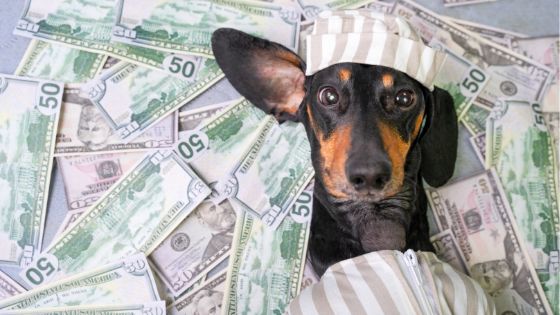
The contemporary pet industry has transformed into a sprawling capitalist enterprise, one that extends far beyond the simple purchase of pet food and toys. This sector, pulsating with innovation, commodification, and consumer fervor, promises not merely a window into economic trends but a profound shift in how society perceives pets themselves. The growth trajectory of this industry unveils intricate layers of human psychology, market adaptation, and cultural evolution, inviting a reevaluation of traditional attitudes around pet ownership. As the capitalist pet industry accelerates, it beckons curiosity about the forces propelling its expansion and the latent implications interwoven in its rapid development.
The Genesis of the Capitalist Pet Industry
The pet industry as it exists today is the cumulative result of decades of evolving consumer behavior and economic strategizing. Historically, pets were largely utilitarian or simple companions, cared for out of necessity or affection within modest means. However, the late twentieth and early twenty-first centuries marked a profound metamorphosis. Rising disposable incomes, urbanization, and shifts in family dynamics converged to redefine pets as cherished family members rather than mere animals. This cultural paradigm shift fertilized fertile ground for market growth. Corporations, recognizing new demand contours, began harnessing capitalist mechanisms to monetize this affection with unprecedented intensity.
What was once a niche market—pet food, basic veterinary services—morphed into a complex ecosystem of luxury goods, high-tech accessories, specialized healthcare, and experiential services. This broadening of scope signaled more than diversification; it highlighted the emergence of a distinctly capitalist model predicated on continuous innovation, marketing sophistication, and the commodification of the human-animal bond.
Economic Dynamics Driving Explosive Growth
The pet industry’s expansion is undergirded by a confluence of economic factors that epitomize capitalist growth trends. Chief among these are rising pet adoption rates, demographic shifts such as aging populations seeking companionship, and millennials prioritizing pets as a component of lifestyle identity. Consumer spending patterns reveal an increasing willingness to invest in premium products and services, from organic pet foods to wellness treatments inspired by human healthcare trends.
Capital influx into the industry is another critical driver. Venture capitalists and private equity firms are aggressively funding startups focusing on innovative pet technology, online retail, and subscription models that promise recurring revenue streams. This influx of capital encourages disruptive innovation, fostering rapid product development cycles and aggressive marketing campaigns. The industry’s elasticity, able to adapt and capitalize on emerging consumer trends, exemplifies a robust capitalist dynamism.
The Commodification of the Human-Animal Bond
At the heart of the capitalist pet industry lies a fascinating, albeit complex, transformation: the commodification of emotional relationships. Pets have transcended their traditional roles, occupying psychological and emotional spaces akin to children or confidants. This anthropomorphization fuels demand for products and services that cater not only to physical needs but also to emotional enrichment.
Luxury pet spas, designer apparel, genetically tailored foods, and even pet mindfulness products abound, appealing to consumers’ desires to project care and status through their pets. This commodification generates poignant questions about authenticity and ethical consumption. Are these offerings enriching the lives of pets, or primarily serving human desires to express identity and social standing through animal companions? The capitalist pet industry revels in this interplay of genuine care and market exploitation, illustrating the complexities of modern consumerism.
Technological Innovation and Its Impact
Technological advances have catalyzed the pet industry’s expansion, introducing products and services previously unimaginable. Smart collars equipped with GPS and health monitors, AI-driven pet toys, and telehealth veterinary consultations exemplify how technology intersects with pet care to create new market niches. These innovations do more than satisfy convenience; they engender new consumer expectations around monitoring and enhancing pet wellbeing.
Moreover, technology facilitates data collection and personalized marketing—cornerstones of contemporary capitalism. Pet-owning consumers are tracked, analyzed, and targeted with tailored advertising, promoting continuous purchase cycles. Subscription services leveraging technology also ensure steady revenue, embedding consumers within an intricate web of service plans and loyalty programs. The capitalistic symbiosis between technology and consumer behavior underscores the industry’s sophistication and relentless growth.
Globalization and Market Expansion
The capitalist pet industry is no longer confined to Western markets; it is a global juggernaut expanding rapidly into emerging economies. Urbanization and rising middle-class populations in regions such as Asia-Pacific, Latin America, and the Middle East create burgeoning markets ripe for capitalist ventures. Multinational corporations deploy strategic expansions, adapting products to local tastes while maintaining universal brand appeal.
Global supply chains and e-commerce platforms further facilitate this expansion, enabling cross-border commerce and access to diverse product portfolios. This globalization introduces complexities around cultural attitudes towards pets, regulatory environments, and economic disparities, challenging companies to innovate while respecting local nuances. The pet industry’s global reach exemplifies capitalism’s capacity to transcend borders and morph according to diverse socio-economic landscapes.
Environmental and Ethical Considerations
Amidst the dazzling growth and innovation, the capitalist pet industry confronts growing scrutiny concerning its environmental and ethical footprints. The production, packaging, and transportation of pet products contribute to resource depletion and pollution. Meanwhile, practices such as overbreeding and questionable sourcing of raw materials raise ethical alarms.
Consumers, increasingly conscious of sustainability, are steering demand toward environmentally friendly and ethically sourced products. Industry players respond with green initiatives, cruelty-free certifications, and transparent supply chains. This emerging eco-conscious dimension introduces intriguing tensions between capitalist growth imperatives and sustainability goals, hinting at future transformations within the market fabric.
The Future Trajectory: Beyond Consumption
Looking forward, the capitalist pet industry promises even more profound shifts. Predictive analytics, biotechnological advances, and niche markets such as pet biotechnology and longevity treatments hint at a future where pets’ lifespans and health can be optimized in ways mirroring human healthcare. This future reframes pets not only as companions but as entities worthy of advanced scientific investment.
The industry might also witness a recalibration of values, balancing commodification with genuine welfare improvement. Innovative business models integrating community engagement, education, and animal advocacy may emerge alongside traditional commercial enterprises. Such developments could redefine capitalism’s role—not merely as a profit engine but as a catalyst for ethical coexistence between humans and animals.
In essence, the capitalist pet industry embodies a multifaceted phenomenon—one that challenges perceptions, stokes curiosity about human-animal relationships, and exemplifies the adaptability and complexity of modern capitalism. Its growth is not just a tale of economics but a narrative weaving culture, technology, and ethics into the intimate fabric of everyday life.


