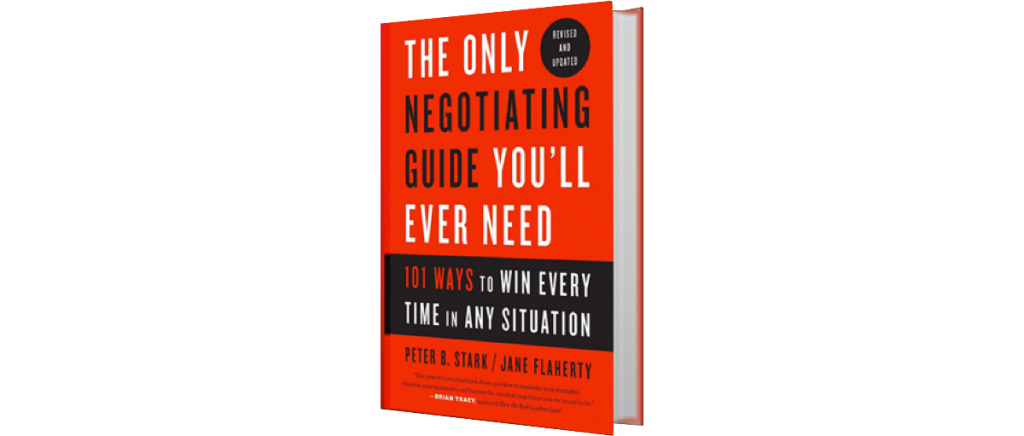
In the vast arena of commerce and exchange, negotiation is more than just a transactional tool; it is an intricate dance of psychology, strategy, and persuasion that has captivated the capitalist spirit for centuries. The fascination with negotiating everything—from the smallest purchase to the grandest merger—speaks to a deeper human impulse: the relentless pursuit of value, advantage, and mastery over uncertainty. This guide delves into the quintessential elements of negotiation through the lens of capitalism, unraveling why it remains a cornerstone of economic interaction and how one can harness its principles effectively across all facets of life.
The Essence of Negotiation in Capitalism
Negotiation under capitalism is not merely about securing a better price or contract; it is fundamentally about creating opportunity where none was apparent. It embodies a dynamic interplay between scarcity and desire, risk and reward. At its core, capitalism thrives on competition, and negotiation is both the battleground and the bridge for competing interests. This unique economic system incentivizes individuals and businesses to sharpen their negotiating acumen, because every exchange potentially translates into profit, growth, or strategic advantage. The deeper fascination arises from negotiation’s ability to turn abstract potential into tangible gain—a process that mirrors capitalism’s relentless engine of innovation and efficiency.
Psychological Undercurrents: Understanding Human Behavior
Negotiation is as much a psychological game as it is a financial one. Recognizing the cognitive biases, emotional triggers, and social cues that influence decision-making is critical. Factors such as anchoring bias—the human tendency to rely heavily on the first piece of information offered—often set the tone for how negotiations unfold. Furthermore, understanding the art of empathy can unlock hidden reserves of trust and cooperation, creating conditions for mutually beneficial agreements. Capitalists who excel in negotiation comprehend that beneath every number and contract lies the intricate psychology of their counterpart, making emotional intelligence indispensable.
Strategic Frameworks and Preparation
Effective negotiation demands meticulous preparation anchored in strategic frameworks. One foundational approach involves BATNA (Best Alternative To a Negotiated Agreement), which equips negotiators with a concrete understanding of their fallback options. Capitalists recognize that negotiating without a well-defined BATNA is akin to sailing without a compass—risky and directionless. Another pillar is the identification of interests rather than positions; delving beneath superficial demands to uncover underlying needs can expand the pie before division. In practice, preparing scenarios, anticipating objections, and formulating concessions in advance transform negotiation from spontaneous confrontation to a calculated chess game.
The Art of Persuasion and Leverage
Leverage is the fulcrum upon which the negotiation seesaw tilts. It can be fashioned through information asymmetry, timing, or tangible resources, but its ultimate power lies in persuasion. Persuasion, however, is a subtle craft that transcends mere argumentation. It involves narrative construction—framing offers and counteroffers in ways that resonate with the counterpart’s worldview and values. Capitalist negotiators deploy storytelling to align interests, justify demands, and foster commitment. Mastery of rhetoric and presentation can convert even skeptical parties into enthusiastic collaborators, making persuasion an indispensable attribute.
Overcoming Common Pitfalls and Psychological Barriers
Many negotiators falter due to cognitive pitfalls such as loss aversion, where the fear of potential loss overshadows prospective gains, leading to overly cautious or irrational decisions. Similarly, escalation of commitment—persisting with a failing stance due to prior investments—can blind negotiators to more advantageous alternatives. Another frequent error is conflating negotiation with confrontation, which generates unnecessary antagonism and stymies collaboration. Successful capitalists identify these barriers early and deliberately recalibrate their approach, maintaining objectivity and focusing on value creation rather than scorekeeping.
Negotiating Beyond Business: A Universal Skill
While negotiation is most vividly associated with business deals and corporate boardrooms, its applicability transcends commercial settings. Every decision involving exchange—whether negotiating salaries, real estate deals, or even social agreements—benefits from an understanding of negotiation principles. Capitalists view negotiation as a universal language of interaction, a skill that empowers individuals to navigate complexity and ambiguity in various domains. This universality feeds the fascination with negotiation itself, as it is a tool for agency and empowerment in an unpredictable world.
The Ethical Dimension: Balancing Aggression and Fairness
Capitalist negotiation often walks a tightrope between competitive assertiveness and ethical conduct. While the prevailing narrative celebrates toughness and cunning, the long-term sustainability of relationships and reputations demands fairness and transparency. Ethical negotiation fosters trust and opens pathways for future collaborations, which in turn augment economic value. Recognizing this, adept negotiators integrate principles of integrity within their aggressive pursuits, harmonizing ambition with responsibility. This ethical balancing act enriches the negotiation process and reveals why the capitalist fascination with negotiating is not just about winning—but winning well.
Conclusion: The Dance Continues
The capitalist’s obsession with negotiating everything stems from more than just the prospect of profit; it is a reflection of humanity’s ceaseless quest to comprehend and command the forces of exchange. Negotiation encapsulates the enigmas of trust, power, psychology, and strategy, making it an endlessly compelling endeavor. By mastering its multifaceted dimensions—psychological insight, strategic preparation, persuasive leverage, and ethical balance—individuals and enterprises can transform negotiation from a mere transactional act into a profound exercise in value creation and personal empowerment. In the grand theater of capitalism, the dance of negotiation continues to intrigue, challenge, and reward those who dare to engage with it fully.


