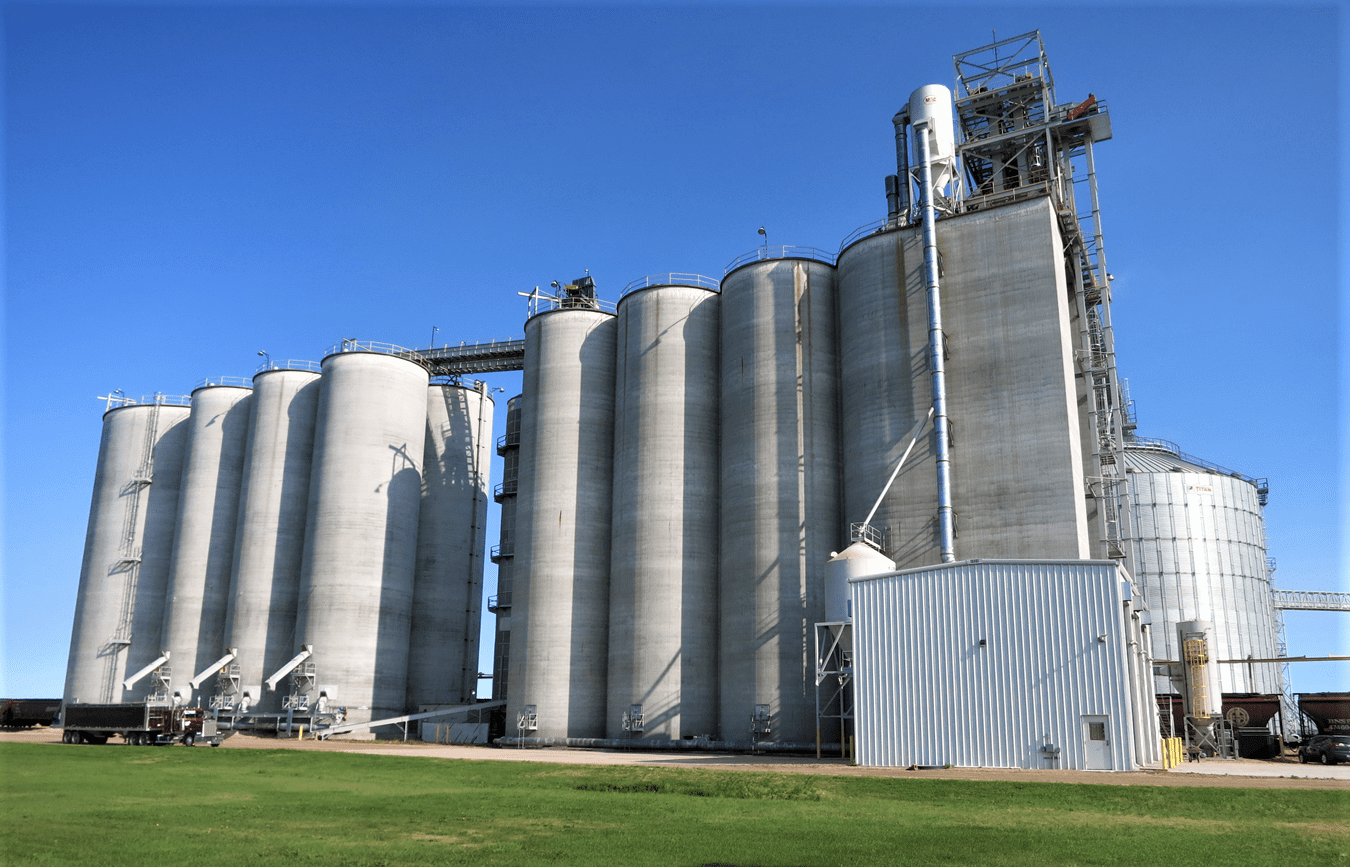
The consolidation of agribusiness under capitalism is a significant phenomenon shaping the modern agricultural landscape. It represents a fundamental transformation from a predominantly small-scale, independent farming sector to a complex web of large, integrated enterprises. This trend, driven by the inherent mechanisms of a capitalist economic system, has profound implications for productivity, market dynamics, resource utilization, labor relations, and the socio-economic fabric of agricultural regions.
The Historical Context: From Fragmented Farms to Integrated Systems
Capitalism, by its very nature, thrives on competition, capital accumulation, and economies of scale. Agriculture, initially a mosaic of diverse smallholdings, gradually succumbed to these pressures. Historically, land was a primary factor of production, often held by numerous small owners. Capitalism incentivized consolidation, promising greater efficiency and profitability. The shift began subtly, with individual farm expansions and the rise of specialized production (e.g., focusing solely on corn or cattle). Over time, technological advancements in mechanization, fertilizers, and seeds further diminished the economic viability of small, diversified farms, pushing them towards the periphery or merging with larger operations.
This historical trajectory wasn’t solely an economic calculation; it was often facilitated by government policies favoring large-scale agriculture, subsidies, and infrastructure development that disproportionately benefited concentrated landholdings. The post-World War II era saw an accelerated pace of consolidation, driven by innovations that demanded larger capital investments and sophisticated management capabilities, systematically challenging the independence of smaller agricultural entities.
Economies of Scale and Technological Integration
One of the most cited drivers for agribusiness consolidation is the pursuit of economies of scale. Larger operations can distribute fixed costs—such as those associated with advanced machinery, expensive inputs like genetically modified seeds, and sophisticated irrigation and drainage systems—across a greater volume of output. This mathematical effect is crucial for remaining competitive in a global market. Access to modern technology, often requiring significant upfront investment or specialized knowledge, is heavily skewed towards larger farms and agribusiness corporations.
Furthermore, consolidation enables deeper integration into the technological supply chain. From precision agriculture systems using GPS and drones for planting and monitoring, to advanced data analytics for optimizing yields and resource use, the adoption frontier is typically climbed by entities with substantial financial and managerial resources. This integration extends to processing, storage, transportation, and marketing, creating vertically integrated supply chains that minimize costs and maximize control.
The Rise of Corporate Power and Market Dominance
The formation of large agribusiness conglomerates—often referred to as industrial agribusiness or corporate agriculture—has fundamentally altered market structures. These entities, ranging from giant seed and chemical companies (often termed input suppliers) to vast commodity trading firms and food processors, exert considerable influence across the agricultural value chain.
Downstream processing and retailing giants, with their immense buying power, have increasingly dominated procurement, often favoring contracts with large-scale suppliers that align with their standardized, efficient production models. This dynamic creates powerful feedback loops, incentivizing further upstream consolidation to secure favorable supply terms and reduce transaction costs.
Simultaneously, the proliferation of commodity trading houses, sometimes operating with less transparency than established farm businesses, has added another layer of complexity. Their role in physical commodity trade and futures markets underscores the financialization of agriculture, linking food prices directly to global financial systems. This concentration of economic power shapes commodity price discovery mechanisms and influences farm-level revenues, often contributing to volatility.
Resource Control and Land Ownership
Consolidation directly impacts land ownership patterns. While total cultivated land remains a factor, the ownership has increasingly shifted towards fewer entities. Large-scale farming corporations and wealthy landowners often acquire extensive tracts, sometimes displacing smaller communities or forcing land consolidation through purchases or leases.
Controlling vast areas allows these integrated players to dictate crop rotations, planting schedules, and potentially the land use itself, raising concerns about biodiversity, soil health, and sustainable resource management. The allocation of capital resources within the consolidated farm also shifts priorities from diversified sustainability towards specialized, often monoculture, maximization based on market demand – even if that demand is from multinational food processors driven by cost-effectiveness rather than nutritional value.
The Regional Economic Impact
The presence of large agribusiness operations in rural areas presents a complex, often debated, economic profile. On one hand, consolidation can bring capital investment, potentially higher wages (though often scaled by the size of operations), infrastructure development (roads, processing plants), and potentially more job opportunities than might exist in smaller, diversified agriculture.
On the other hand, the socio-economic characteristics of these large agribusiness zones can be stark. They often feature low residential density, reliance on seasonal employment with significant fluctuations tied to harvest cycles, potentially inadequate local services and amenities (especially outside the primary corporate towns), and significant environmental footprints (e.g., concentrated animal feeding operations, chemical runoff). The economic benefits are often unevenly distributed, sometimes favouring the corporations more than the surrounding communities.
Resilience and Systemic Vulnerability
Proponents argue that consolidated agribusiness is necessary for resilience. Large-scale operations can diversify their geographic footprint, hedge price risks in commodities markets, employ sophisticated risk management strategies, and invest in research and technology to mitigate climate-related risks. They possess the scale and capital to recover from localized shocks more readily.
However, this heightened scale also introduces systemic vulnerability. If a major agribusiness entity experiences a cybersecurity breach, or if a significant financial crisis impacts the global banking system that funds these behemoths, the negative consequences can ripple across vast swathes of the economy and agriculture itself. Furthermore, diversification, often a strategy employed to cushion agribusiness against climate fluctuations (growing a variety of crops or raising different types of livestock on the same land), is frequently sacrificed for the scale and efficiency demanded by the corporate model itself.
Governing the Consolidated Agribusiness System
The scale and reach of modern agribusiness necessitate and influence complex regulatory frameworks. National governments and international bodies (like the WTO) attempt to govern issues ranging from food safety and pesticide regulations to market subsidies and trade agreements involving agricultural commodities. Multinational corporations operating within these frameworks engage in sophisticated lobbying efforts, shaping policy to their advantage.
This dynamic raises questions about effective governance. How do democratic institutions manage industries whose influence extends across borders, impacting food sovereignty, environmental regulations, and labor rights? The complexity of multi-step supply chains adds layers to regulatory oversight, making the policing of standards and the prevention of market distortions an ongoing challenge within the dominant agribusiness structure.
Conclusion: Navigating the Consolidated Future
The consolidation of agribusiness under capitalism is a defining feature of contemporary food production and land use. Driven by the relentless pursuit of efficiency, scale, and integration, it has created formidable industrial giants controlling significant portions of the agricultural output and input markets globally. While offering certain efficiencies and potential buffers against some market shocks, it also presents complex socio-economic, environmental, and systemic risks.
Understanding the forces behind and the consequences of this consolidation—how historical land ownership evolved, how technological dependence grew, how market structures shifted, how regional economies adapted, how vulnerability factors operate, and how governance functions—provides essential context for navigating the future of food systems. The ongoing interplay between capital accumulation, technological advancement, market competition, and the socio-political environment will continue to shape the trajectory of this monumental sector towards capitalism.


