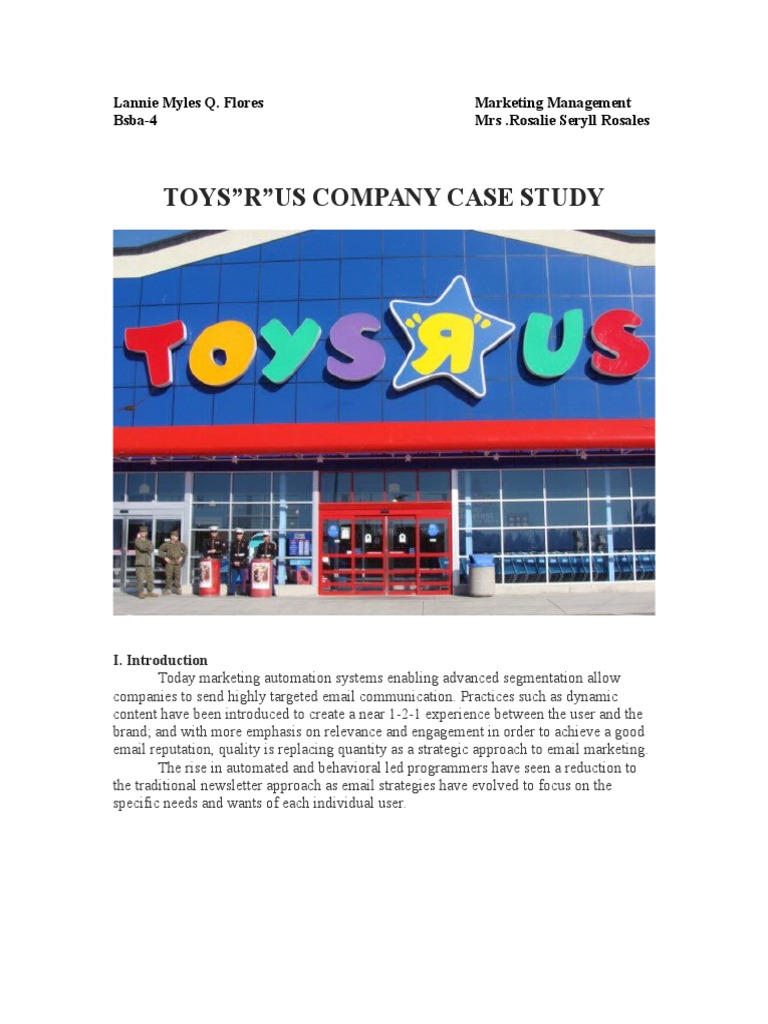
The story of Toys R Us, once a towering giant in the retail landscape, serves as a compelling case study in capitalism’s ruthless evolution. Its decline offers more than a tale of a company’s missteps; it represents a complex confluence of market disruptions, strategic failures, and broader economic currents. Delving into the downfall of Toys R Us presents an opportunity to reconsider the fragility of corporate empires amid shifting consumer paradigms and technological upheavals. This narrative promises to unravel the layers behind an emblematic collapse and provoke a reconsideration of how businesses navigate—and sometimes falter in—the relentless churn of capitalism.
The Rise and Regal Domination of Toys R Us
At its zenith, Toys R Us was not merely a retailer; it was the quintessential temple of childhood retail fantasies. Established in the mid-20th century, the company pioneered the concept of a dedicated toy superstore, transforming a cluttered, fragmented toy market into an immersive, captivating shopping experience. Its ascendancy was driven by aggressive expansion, savvy marketing, and a seemingly unassailable grip on toy distribution networks. The name Toys R Us was synonymous with choice, convenience, and delight, capturing the hearts of millions and commanding a significant share of the retail toy market.
This dominance, however, rested on certain assumptions typical of the era: sustained consumer spending, low-cost debt financing, and minimal competitive disruption. The brand exuded confidence, buoyed by steady revenues and an almost iconic presence in shopping malls across America and beyond. Yet, underneath this regal façade, fissures were quietly emerging—fissures that would, over time, widen into irrevocable cracks.
The Shifting Retail Landscape: A Paradigm Under Siege
At the heart of Toys R Us’s demise lies the brutal transformation of retail itself. The latter decades of the 20th century and the dawn of the 21st marked a tectonic shift. E-commerce exploded onto the scene, fundamentally reshaping consumer behavior. The convenience of online platforms, coupled with the ability to compare prices instantly, eroded the captive customer base of traditional brick-and-mortar stores.
Toys R Us was slow to adapt. Its enormous physical footprint became a double-edged sword. While grandiose stores offered experiential value, they also implied elevated overhead costs, inflexible operational structures, and a diminishing return on investment. Competing digital giants crunch the margins with dynamic pricing algorithms and streamlined inventories, whereas Toys R Us found itself tethered to an increasingly archaic model. This lag in technological adoption reflected a broader strategic rigidity.
Financial Overleveraging: The Debt Trap
One cannot disentangle the company’s downfall from the financial architecture underpinning its operations. A pivotal moment was the leveraged buyout (LBO) in 2005, when Toys R Us was taken private through a deal saddled with $5 billion in debt. This heavy financial burden constrained agility, forcing a disproportionate share of earnings to service interest payments rather than reinvestment into innovation or competitive maneuvering.
This debt-induced strain hampered critical areas such as store modernization, e-commerce investment, and marketing initiatives. The obligation to meet fixed financial commitments tightened cash flow and diminished resilience. In capitalism’s unforgiving marketplace, the weight of such encumbrances is profound—exacerbating vulnerabilities at precisely the moment when flexible, nimble responses became imperative.
Failures in Strategic Innovation
Toys R Us’s inability to reinvent itself in the face of shifting dynamics highlights a classic pitfall in corporate stewardship. While competitors like Amazon seized the digital revolution and Walmart leveraged supply chain efficiencies, Toys R Us remained tethered to legacy operations. Its attempts to launch an online platform were perceived as half-hearted and tardy, eclipsed by digital natives that had perfected the online shopping experience.
Moreover, Toys R Us underestimated the evolving expectations of consumers. The contemporary toy buyer demanded not just a product, but a multi-dimensional experience intertwined with digital engagement, convenience, and value. Competitors integrated entertainment, customization, and even social community building into their strategies—dimensions Toys R Us largely overlooked until it was too late.
The Impact of Consumer Behavior and Market Competition
Consumer preferences metamorphosed beyond mere transactional purchases. The proliferation of electronic devices, video games, and digital media distinguished the landscape—altering what toys meant to children and their parents alike. Physical toys faced growing competition from intangible digital entertainment, a trend partially neglected by Toys R Us which remained focused on traditional merchandise.
Simultaneously, discount retailers and big-box stores intensified competition by offering comparable products at lower prices. The resultant compression of profit margins left Toys R Us vulnerable. Capitalism thrives on adaptability, yet the company struggled to find its footing amid an array of aggressive competitors who challenged pricing, branding, and consumer engagement with fresher approaches.
The Cultural and Symbolic Loss: More Than a Business Collapse
For many, the closure of Toys R Us stores was not just a business event; it was a cultural reckoning. The brand had transcended the realm of commerce to become a social institution—one that conjured nostalgia, childhood memories, and the excitement of discovery. Its fall signaled a broader narrative about the ephemerality of once-dominant brands and the rapid obsolescence wrought by relentless market forces.
The demise posed profound questions about capitalism’s complexity—how it rewards innovation yet punishes inertia harshly, how it commodifies culture, and how even iconic entities are vulnerable to the ceaseless tide of disruption. It underscored the paradox that in capitalism, history is as much about relentless renewal as it is about loss and obsolescence.
The Broader Lessons of Toys R Us’s Demise
At a systemic level, Toys R Us exemplifies several critical lessons for businesses navigating contemporary capitalism. First, the imperative for relentless innovation and adaptation cannot be overstated. Market dominance is transient unless continually earned through strategic foresight and responsiveness to consumer evolution.
Second, financial structures must be carefully calibrated to balance growth ambitions with operational flexibility. Excessive debt can stifle creativity and responsiveness when the environment demands it most. Lastly, embracing technological advances proactively is crucial to maintaining relevance. The digital transformation is not a mere adjunct to business but the core determinant of survivability.
Toys R Us’s downfall thus offers a cautionary tale but also a prism through which to view capitalism’s dual nature: its capacity to create monumental success and to render it obsolete with equal force. In appreciating this duality, businesses can better anticipate change, harness disruption, and perhaps avoid a similar fate.

