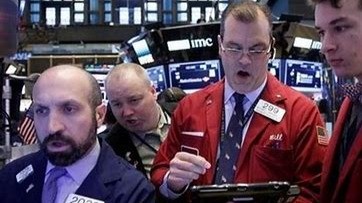
The air these days buzzes with whispers about the shifting tides of the economy. ‘Quarterly Capitalism’ – the term itself feels like a scar on the financial landscape. It conjures images of a relentless, treadmill-like rhythm dictated by four-month intervals. Boards feverishly pore over numbers, management spins narratives, investors demand reassurance, and it all compresses into measuring the value generated in less than a turn of the calendar page. Is this the monolithic beast that’s finally showing its cracks, or just a phase before the gears grind to a halt in an even stranger configuration? Let’s journey through the currents of this debate.
The Mechanics of the Machine
Quarterly capitalism isn’t merely a catchy phrase; it’s a system, deeply entrenched. Its core engine: the pressure cooker of Wall Street expectations. Since the 1980s, financial engineering, the rise of activist investors, and the increasing dominance of funds managing colossal sums have amplified the impact of quarterly earnings. Managers, desperate for analyst consensus and fund manager approval, often cut corners, delay investments in future growth, or engineer accounting ‘magic’ to make targets met. Think of it like a relentless internal combustion engine, consuming resources – time, talent, creativity – and churning out exhaust fumes of unsustainable business models, delayed innovation, and employee burnout.
Why the Crackling Sparks?
Perhaps the most glaring reason for questioning its endurance is its tangible downsides. Innovation stalls when focused myopically on near-term profit. Tesla, for instance, has navigated this gauntlet for a while, pushing forward despite the quarterly pressures. Its long-term ambition necessitated tolerance, even encouragement, from its investors. But can this dynamic scale? Many profitable ventures, particularly in biotech, infrastructure, or education, often generate meaningful returns beyond the short cycle. The imperative to constantly produce growth signals inherent risks might simply be too high for foundational innovation.
Human Friction and Fissures
The system grinds against another inconvenient truth: talent. The constant churn – companies buying each other in frenzied M&A sprints to outperform a few hours before earnings release, followed by inevitable write-downs – disorients employees. They’re told one way, feel another as they witness the next round of cuts or changes. Long-term loyalty, once the bedrock of American enterprise, erodes. Workers feel like cogs in a machine designed for quarterly profit targets, not for building enduring legacies. This internal friction isn’t lost on regulators either. Mounting pressure to quantify environmental impact or social responsibility – ‘ESG’ – forces these quarterly-focused entities to stretch their accounting muscle in ways that feel increasingly artificial. Focusing solely on narrow windows inevitably demands uncomfortable compromises.
Seeds of Change: The Unwinding Begins
Against this backdrop, cracks aren’t just forming; they’re beginning to widen. Frustration with ‘quarterly theatre’ – the elaborate, sometimes comical narratives spun to explain minor beatings – is palpable. Activist investors now push for governance changes, demanding longer horizons and metrics beyond pure profit. We see the emergence of ‘growth fund’ investors with patient capital, understanding that real progress needs breathing room. And internally, companies are proactively rethinking the structure. They’re shortening reporting cycles, integrating forecasting across longer planning horizons. The goal? To break the tyranny of speed.
The Future Scape: Beyond the Four-Wall View
The whispers of its ’end’ might signify not an abrupt collapse, but a transformation into something different. A new landscape might emerge, less brutal in its short-term demands. Here, cyclical patterns could become more elongated or fluid, tied less to artificial calendar segments and more to genuine business rhythms or market feedbacks. We could witness a rise of stakeholder capitalism, where meeting payroll, safeguarding the planet, and nurturing communities aren’t afterthoughts for quarterly reports, but core components valued as intrinsically valuable entities in their own right.
Glimmers of a Different Pattern
The future might hold companies designed for enduring value. These could be characterized by flatter organizational structures that empower those further down the line, fostering genuine innovation embedded across the value chain, not just originating from a corner office. The very notion of ownership might evolve, perhaps towards cooperative elements or radically different organizational forms where incentives align more closely with long-term health and customer loyalty. Is worker-centricity the hidden trend?
The Bigger Picture: A Global Economy Remodeling
Focusing solely on the quarterly dance distracts from the larger economic ecosystem. Is the core issue really quarterly reports, or is it a symptom of broader pressures – rising geopolitical instability demanding cautious investment, decoupling disrupting supply chains, inflation unsettling price sensitivity? Can a global economy genuinely function on a seven-month rhythm, comfortable enough to allow buildings to age, investments to mature without the perceived urgency of an imminent quarterly deadline? The question itself might be flawed.
Conclusion: The Aftermath of the Tumult
The so-called ’end of quarterly capitalism’ isn’t necessarily a utopia dawned. Instead, perhaps it signals a redirection, a growing awareness that the system, while seemingly robust, is brittle. What emerges could be an economic model attuned to the complex, long-term symphony of real-world forces – technological, environmental, social. It might mean a truce with slower cycles, a recognition that building a mountain takes longer than a mountain of debt funded for just three and a half months. We’re still untangling the threads, wrestling with the old metrics while searching for the new ones. The narrative of ‘quarterly capitalism’ was compelling because its effects were visible. Whether its obsolescence sparks a more durable, genuinely prosperous future? That remains to be seen, but the signs of the old order’s weariness are unmistakable.

