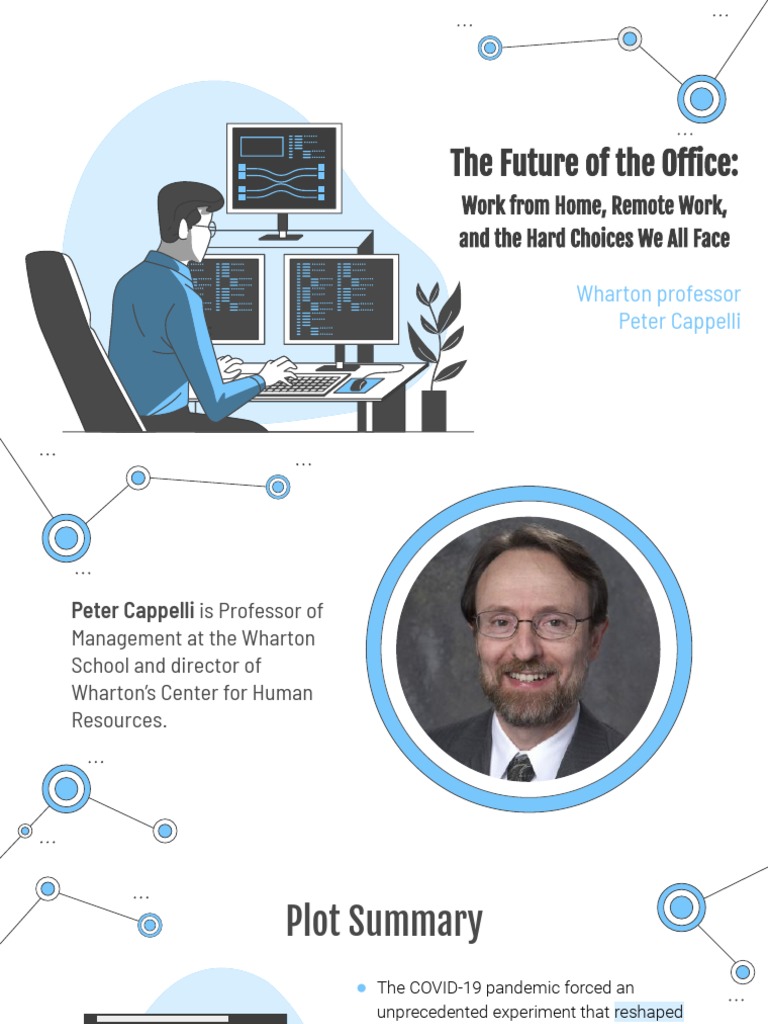
As the capitalist office continues to evolve, the future of the workplace promises a profound shift in paradigms that challenges traditional notions of space, productivity, and human interaction. The canvas upon which economic ambition and human endeavor intertwine is being redrawn, not merely by technological advancements but by an emergent philosophy that reimagines what work means. The forthcoming era beckons a transformative perspective—one that fuels curiosity, compels adaptation, and redefines the contours of corporate life.
Redefining Space: From Static Cubicles to Dynamic Ecosystems
The archetypal office, with its regimented cubicles and omnipresent fluorescent glow, is inching toward obsolescence. The future workplace is not confined to sterile corridors but morphs into a versatile ecosystem where spatial fluidity reigns. These environments transcend mere functionality; they are designed to catalyze creativity, foster collaboration, and nurture well-being. Modular workstations, augmented reality conference rooms, and biometric sensors coalesce to produce spaces that respond to individual and collective needs with unprecedented agility.
At the core of this spatial revolution lies a profound understanding of human behavior. Spaces will no longer be dictated by hierarchical mandates but conceived as ecosystems supporting diverse working modalities—quiet focus, spontaneous brainstorms, or social synergy. Such environments promise not only enhanced productivity but a reinvigoration of the social fabric underlying the capitalist enterprise.
Technological Synthesis: The Convergence of AI and Human Ingenuity
Artificial intelligence and machine learning are poised to become ubiquitous collaborators rather than mere tools within the capitalist office. This synthesis radically amplifies human ingenuity, allowing employees to transcend mundane tasks and immerse deeper in strategic innovation. AI-driven analytics decrypt complex datasets with unprecedented speed, enabling decision-makers to foresee trends and pivot with alacrity.
Yet, this is not a tale solely of automation displacing labor. Instead, it portends a coalescence where human intuition and emotional intelligence integrate seamlessly with algorithmic precision. Intelligent assistants anticipate needs, streamline workflows, and facilitate personalized experiences. The future workplace, therefore, is a crucible where cognitive augmentation transforms the nature of work, raising compelling questions about ethics, empathy, and the essence of human contribution.
Distributed Workforces: Liberation or Fragmentation?
The centrifugal forces mobilizing remote work have irrevocably altered the geographic and sociocultural fabric of employment. Capitalist offices are no longer tethered to physical headquarters; instead, they form a constellation of distributed nodes united by digital infrastructure. This dispersal offers unprecedented flexibility, dismantling barriers of commute and geography, and democratizing access to global talent.
However, this newfound autonomy poses paradoxical challenges. The dissolution of physical proximity risks eroding the serendipitous interactions and intangible bonds that underpin corporate culture. Organizations must grapple with sustaining identity, trust, and cohesion amidst this virtual diaspora. Innovative strategies—including immersive virtual environments and robust communication protocols—are emerging to bridge distance and nurture a sense of collective purpose.
Well-Being as Capital: The Ascendancy of Psychological Safety
In the capitalist office of the future, well-being transcends buzzword status to become a strategic imperative. Corporations increasingly recognize that psychological safety, emotional resilience, and holistic health are intrinsic to sustained productivity and innovation. Workplaces will embed mental health support within their organizational DNA, leveraging technologies to monitor stress indicators and personalize wellness programs.
This paradigm shift posits well-being not as the antithesis of capitalism but its enabler. The tacit acknowledgment that human capital’s vitality directly influences the bottom line heralds a more humane and sustainable capitalism. By cultivating environments where vulnerabilities can be voiced without reprisal, organizations unlock latent creative potential and fortify collective resilience against volatility.
Ethical Architecture: Navigating Power and Surveillance
As technological surveillance capabilities intensify, the future workplace must navigate the precarious balance between oversight and autonomy. Traditionally, capitalist offices have wielded surveillance in the name of efficiency and security. Yet, emergent ethical frameworks demand transparency, consent, and respect for privacy, challenging entrenched power asymmetries.
The architecture of digital oversight will be reimagined to empower employees rather than subordinate them. Consent-driven data policies, decentralized identity management, and algorithmic accountability offer pathways toward a more equitable workplace. This delicate recalibration speaks to a deeper cultural evolution—one where trust replaces suspicion and governance is democratized within corporate hierarchies.
Reskilling and Lifelong Learning: The Cornerstones of Workforce Agility
The relentless pace of change mandates that workers continuously refine and reinvent their skills. The capitalist office will transform into a dynamic academy where learning is decentralized, personalized, and woven into daily routines. Gamification, virtual reality simulations, and AI-driven mentorship will make the acquisition of knowledge engaging and responsive to individual learning styles.
This shift signifies more than mere adaptation; it reflects an ethos where intellectual curiosity is prized, and human potential is seen as an evolving resource. Organizations that cultivate this culture of continuous education will not only survive disruption but harness it as a crucible for innovation and competitive advantage.
Environmental Stewardship: The Green Imperative in Office Design
The future workplace increasingly embodies a commitment to sustainability, reflecting the broader societal urgency around environmental stewardship. Green architecture, energy-efficient technologies, and sustainable materials constitute not only ethical choices but imperative competitive differentiators. Beyond physical design, corporate policies will integrate circular economy principles and reduce carbon footprints within operational frameworks.
This alignment with planetary health resonates profoundly within the capitalist narrative, suggesting that profit and preservation are not mutually exclusive but interdependent. The conscientious office becomes a microcosm of global responsibility, fostering a workforce attuned to ecological mindfulness and purposeful innovation.
Conclusion: Embracing Uncertainty as Opportunity
The future of the capitalist office is not a deterministic blueprint but a dynamic journey through uncertainty. It demands a fundamental reconsideration of what workspaces symbolize and how they cultivate human potential. By embracing technological symbiosis, psychological well-being, ethical governance, and environmental mindfulness, the office of tomorrow transcends its traditional role to become a crucible for reinvention.
In this unfolding narrative, curiosity is the north star guiding both individuals and organizations. The capitalist office is poised at an inflection point where innovation is inseparable from empathy, where space is an active participant in productivity, and where the human spirit remains the most invaluable asset. To engage with this future is to participate in a profound reimagining of work itself—inviting all to rethink, retool, and reengage with a world in flux.

