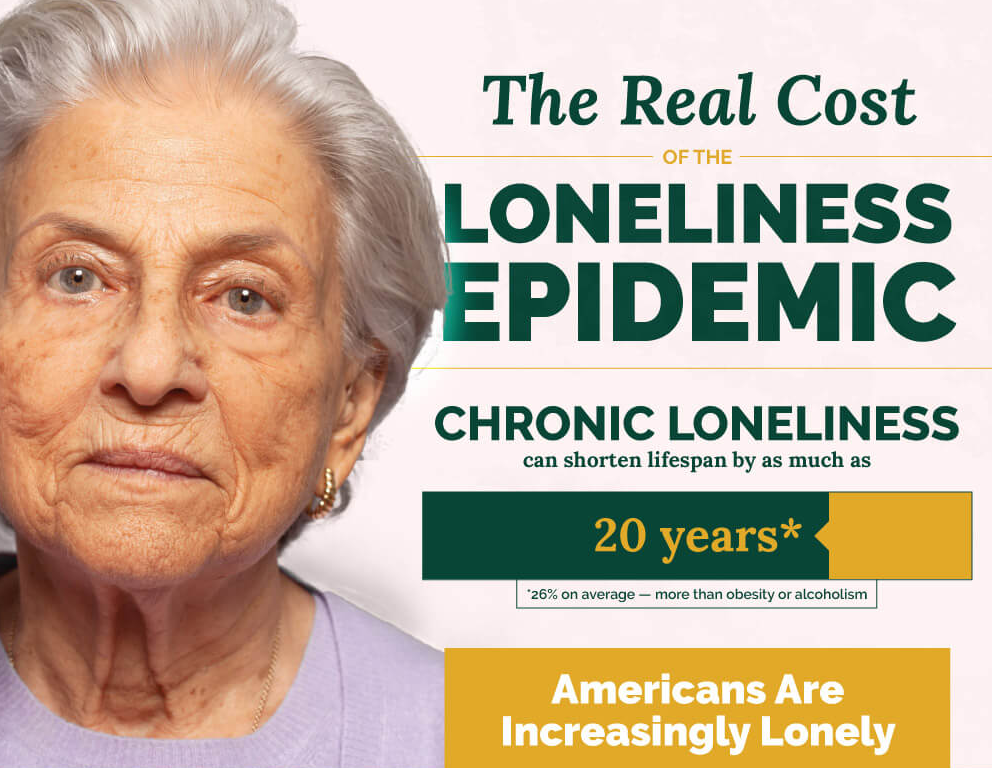
The modern experience, for many, is inextricably linked with connection. Yet, paradoxically, we may be fostering an environment where genuine, deep connection is more elusive than ever. As we navigate the complexities of contemporary life driven by a particular economic system, the consequences extend beyond mere economics, touching upon the fundamental human need for belonging. We stand at a critical juncture, observing a profound, widespread disconnection – a loneliness epidemic – whose roots, perhaps most corrosively, trace back to the ideologies and structures of capitalism itself.
The Quantified Solitary Individual
At the heart of the capitalist paradigm lies the concept of the individual as a unit of measurement, a commodity, and a participant in an endless market. Human interaction, once viewed as inherently meaningful and relational, becomes filtered through the lens of quantifiable value. Relationships are assessed by social media engagement, professional connections by network utility, and even friendships by their conversion potential into ‘free’ labor or consumer patronage. We inhabit environments designed to validate our status within competitive hierarchies, often at the expense of fostering deeper, more vulnerable, and less performative forms of closeness. The relentless drive for validation and status signals, central to this system, paradoxically encourages emotional detachment, framing connection itself as a performance to be curated, not a state of being to be cultivated.
Rhythms of Dehumanization in the Workplace
The workplace, traditionally a potential crucible for community and shared purpose, has become, under capitalism (especially its intensified, globalized form), often a zone of alienation. The demand for maximum efficiency, constant productivity, and low costs frequently trumps the cultivation of human connection. Precarious work, characterized by job hopping and project-based assignments, fragments communities of shared labor and experience. The drive for individual performance metrics can breed competition rather than collaboration, turning colleagues against one another in the pursuit of perceived gain. Furthermore, the deskilling of work and the deskilling of society more broadly, erodes shared understanding and the potential for empathic resonance, replacing it with specialized, often disconnected, expertise. Commutes, increasingly long and isolating, further sever the link between home life and work life, fracturing the potential for seamless, integrated community. Isn’t it a telling irony that the system which demands our labor more than anything else, often paradoxically fails to give back a sense of collective belonging?
Consumerism: A Substitute for Connection?
Consumism, a monstrous child of capitalism, offers a seductive alternative to authentic connection. Possessions, advertisements promise, are talismans of identity, status, and ultimately, happiness. Building curated lives online, constructing an ‘ideal’ self, becomes more compelling (and marketable) than engaging with the messy, imperfect reality of fellow human beings. The constant stream of curated perfection can paradoxically deepen feelings of inadequacy and disconnection, fostering comparison rather than empathy. Genuine connection requires vulnerability and shared experience; consumer culture encourages the presentation of a flawless facade. The pursuit of the ideal, the accumulation of the perfect product, can create a veneer of satisfaction that masks underlying emotional vacancy. We trade authentic emotional bonds for materially mediated symbols of belonging, often at a significant cost to our collective well-being.
Promises of Connection Unfulfilled
Capitalism fundamentally redefines promises, framing them within a context of deliverable outcomes and measurable gains. The promises it makes about connection – the American Dream’s promise of prosperity leading to contentment, the digital age’s promise of hyper-connectivity – often remain unfulfilled or deliver a hollow product. Virtual interactions, while connecting us in numbers unseen before, cannot replicate the depth, nuance, and physiological benefits of face-to-face engagement. The language is performative, the interactions fleeting, often lacking the sustained investment required for true intimacy and mutual understanding. The seductive language of opportunity and progress offered by capitalism belies a system often structured for extraction and isolation, leaving many souls hollowed out, yearning for connection that technology and market logic simultaneously enable and undermine.
Networking, Not Knowing
The redefinition of relationship over recent decades has been profound. ‘Networking,’ a term borrowed from the business world, has become the contemporary euphemism for relationship-building, often with a transactional undercurrent. While maintaining connections is vital, this focus can shift the emphasis from genuine care and reciprocal support towards utility and potential gain. This instrumentalization of connection, while pragmatic in a competitive world, risks eroding the more profound bonds that resist easy quantification or transaction. When relationships are primarily assessed for their potential contribution rather than their intrinsic value, authenticity takes a backseat. The erosion of ’thick’ social ties, characterized by shared history, sacrifice, and intimacy, gives way to ’thin’ connections focused on information exchange and mutual benefit, further fragmenting the fabric of community.
The Need for Meaning Reconsidered
Capitalism, with its relentless focus on material acquisition and economic output, often fails to provide meaning beyond consumption. When work and material possessions are seen as the endgame rather than means towards something more fulfilling, a void is created. This vacuum, unable to be filled by the relentless pursuit of wealth, often manifests as profound loneliness. Meaning derived solely from external validation or material accumulation is fragile and inevitably hollow. It fails to satisfy humanity’s deep-seating need for purpose, understanding, and transcendence. A system devoid of a richer, more humanistic foundation struggles to nurture the social fabrics necessary to combat its own byproduct: widespread loneliness. We require a reimagining of value that encompasses well-being, purpose, and relational depth, not just transactional worth.
The road ahead demands a reckoning. Recognizing loneliness as more than a social ailment, acknowledging it as a symptom perhaps of capitalism itself, is a crucial first step. We must cultivate spaces – digital and analog, economic and social – that foster deep, meaningful connection unconstrained by market logic or performative expectations.

