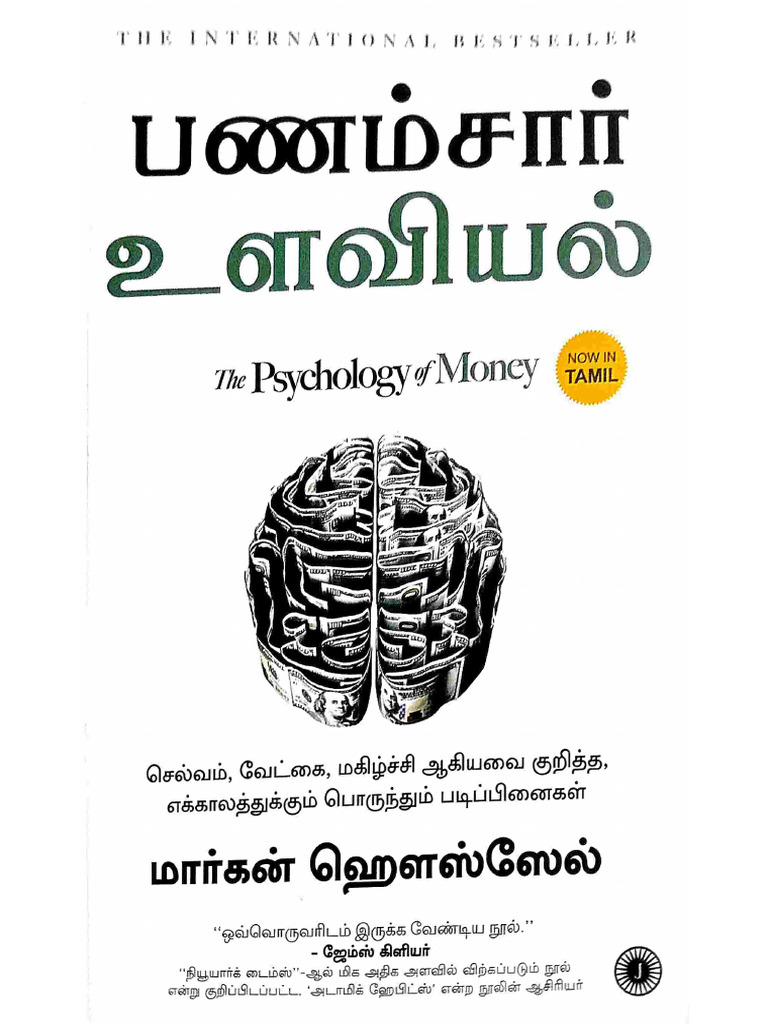
This exploration delves into the fundamental, almost unspoken, psychological currents shaping our relationship with money under the pervasive framework of capitalism. We rarely consider money as a mere medium of exchange, stripping it down to its essence reveals a complex interplay of primal drives, social constructs, and the very structure of our economic system, profoundly influencing not just our finances, but our sense of self and place in the world.
Scarcity, Value, and the Engine of Exchange
The inherent logic of capitalism rests upon a perpetual dance with scarcity. But the perception of scarcity isn’t solely material. It’s cultivated and manipulated – not just by limited resources, but by the system’s deliberate stretching of perceived value. Concepts like “exclusive access,” “limited editions,” and “exclusive memberships” tap into deep-seated human desires for distinction, often irrespective of actual need. This manufactured sense of scarcity fuels consumerism, transforming everyday items into symbols of status. Think beyond tangible goods; it applies to experiences, attention, even creative work, all valued intrinsically within certain capitalist niches. This framing constantly reminds individuals of unmet desires and potential gains, setting the stage for the ongoing psychological negotiation between want and possession, between perceived gain and the effort required to achieve it.
The Acquisition Imperative: The Pursuit and the Possession
Capitalism encourages, almost demands, a mindset focused on acquisition. But acquisition often feels profoundly different from, say, the satisfaction derived from a learned skill or a completed project. Possession implies mastery, control, a tangible anchor in a fluid world. Yet, the psychology of money under capitalism frequently renders acquisition an anxious, ongoing process. The “ratchet effect” – where windfalls or debt reductions are treated as permanent increases, lowering the baseline for future assessments – underscores the persistent feeling of striving. Success feels incomplete or temporary, fueling a constant drive to “be more.” This perpetual chase can overshadow the intrinsic value of what’s already achieved, leading to a paradoxical state where material accumulation becomes an end in itself, a measure of worth rather than a means to unlock possibilities. The weight of this pursuit is often heavy, shaping self-identity around net worth and market success.
The Hoarding instinct and the Misery of Consumption
A deep cultural imperative exists to amass wealth. This fosters a powerful ‘hoarding instinct’ – the psychological comfort found in accumulation. Having assets, savings, investments, provides a concrete feeling of security and preparedness. However, this can dangerously imbalance priorities, privileging accumulation over the psychological benefits of mindful consumption and necessary expenditure. Spending – even on essentials, necessities, or desired experiences – is often psychologically taxing. There’s the “pain of paying,” a documented phenomenon where the act of spending money activates similar neurological responses to physical pain, evoking feelings of loss and deprivation. This can lead to a distorted relationship with money, where saving feels natural and virtuous, while spending requires significant mental accounting and justification. Yet, the capacity and willingness to spend are absolutely essential, not just for immediate needs, but for future growth, societal contribution, and the very dynamics of economic exchange that capitalism thrives on.
Scarcity Tactics as Marketing and Mind Control
Marketers, adeptly leveraging the psychological principles described, operate as subtle architects of need and desire. They engineer scarcity – through tactics like “limited stock,” “exclusive offer,” or the implied competition for a product – directly invoking the primal fear of missing out and the allure of unique value. This isn’t mere advertising; it’s a fundamental operating principle of capitalism itself, translated into a language of limited availability and high demand. This constant manipulation reinforces the perception of money and possessions as tools for navigating this manufactured scarcity, embedding consumerist anxieties deep into the collective mindset. One understands not just *what* is bought, but *why* it feels necessary to buy it.
Security Through Accumulation or the Fear of Scarcity
Psychologically, money serves as a primary symbol of security, particularly the security provided by liquid wealth – cash. This is perhaps the most potent link between money and human psychology under capitalism. Accumulating capital offers a buffer against future uncertainties, a tangible means of control and preparedness. This security, however, is often illusory and dependent on the prevailing economic conditions and asset valuations. Paradoxically, wealth can sometimes breed vulnerability by encouraging lifestyle inflation or detaching from necessary frugality. But the feeling itself – that sense of safety derived from accumulated assets – remains deeply ingrained. The constant negotiation between acquiring security and the perceived benefits of spending (which paradoxically also provides security by enabling experiences, education, relationships, and contribution) defines the complex psychological landscape.
The Debt/Money Paradox: Scarcity Financing and Future Anxieties
Capitalism introduces a uniquely paradoxical relationship with money through debt. Debt effectively uses future scarcity (the inability to pay) to fund immediate consumption or investment. This taps directly into our psychological aversion to scarcity. While debt allows unprecedented leverage – enabling homeownership, education, business launch – it simultaneously creates a future obligation and anxiety. The constant monitoring of debt-to-income ratios, the pressure to meet payment deadlines, fosters a distinct feeling: the obligation is as psychologically anchored as any asset. This represents a fascinating adaptation of scarcity principles, transforming future deprivation into a mechanism for present possibility, albeit one laden with inherent stress and the ever-looming spectre of potential default. The feeling generated is complex: both enabling and constraining, both liberating and burdensome.
Gaining Mastery over a Complex System
Ultimately, understanding the psychology of money under capitalism involves grappling with its inherent complexities and the cognitive biases it exploits. It demands moving beyond simplistic notions and appreciating the intricate interplay between motivation, social constructs, and systemic imperatives. It requires recognizing the power structures embedded in financial narratives and the ways money is interwoven into subjective identity. It’s about navigating the system with greater awareness – understanding the emotional hooks, appreciating the role of narratives, and making conscious choices rather than reactive ones based on unmanaged anxieties or fleeting desires. This mastery involves not just managing finances effectively, but achieving a deeper sense of psychological equilibrium in one’s relationship with money.
Perspectives Evolve: Money, Meaning, and Future Reflections
The interplay explored here – acquisition, hoarding, spending, debt, the symbolic weight of worth – illustrates just how profound the influence is. Capitalism doesn’t just present financial challenges; it constantly performs a subtle psychological choreography that frames success, failure, value, and belonging. Acknowledging this dance is the first step towards managing it, perhaps even transcending the purely transactional view. The future will likely see this relationship further shaped by technology, evolving social norms, and shifting interpretations of value. However, the enduring core of the psychological negotiation with money under capitalism – a negotiation between deeply ingrained human desires, societal expectations, and the relentless logic of market exchange – remains profoundly human. This understanding, nuanced and informed, holds the potential for more intentional and fulfilling engagement with the money that structures our world.

