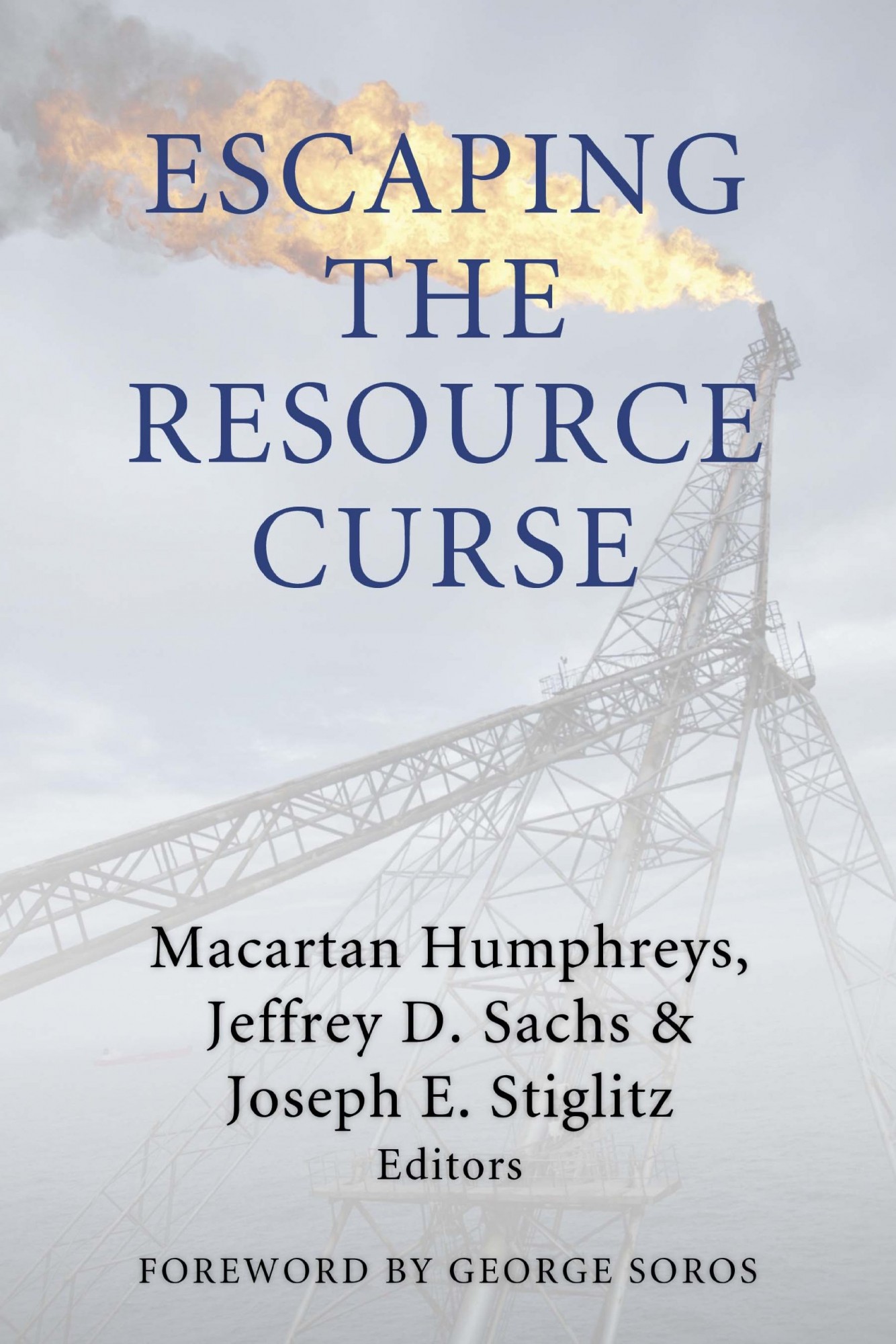
The phenomenon known as the “resource curse” stands as one of the most paradoxical dilemmas confronting resource-rich nations today. While bountiful natural endowments such as oil, minerals, and gas should ostensibly lay the foundation for prosperity, countless countries have found their potential stifled, mired in economic stagnation, political instability, and social unrest. Under capitalism—a system predicated on competition, innovation, and capital accumulation—this enigma takes on distinct dimensions that challenge conventional wisdom. Peering through this prism offers not only a shift in perspective but also a provocation to reimagine the interplay between resources, markets, and governance in a globalized economy.
The Paradox of Plenty: Unraveling the Resource Curse
The resource curse, sometimes called the “paradox of plenty,” encapsulates a counterintuitive truth: abundance in natural resources can lead to suboptimal development outcomes. Instead of propelling economic growth, resource wealth frequently engenders dependency, volatility, and corruption. Traditional economic narratives might expect a straightforward correlation—more resources equal more growth—but reality defies this linearity. Underlying this paradox are complex mechanisms emanating from rent-seeking behavior, Dutch disease effects, and distorted incentives that emerge within capitalist frameworks.
Central to the puzzle is the manner in which resource rents—the profits generated from natural resource extraction—are channeled through capitalist markets and institutions. In many cases, the inflow of substantial resource revenue inflates national currencies, undermining the competitiveness of non-resource sectors, a malady known as the Dutch disease. This structural imbalance subsequently impedes diversification, locking economies into volatile commodity cycles. More perniciously, accrued wealth often concentrates power within elite groups, breeding rentier states where governance is skewed toward safeguarding resource rents rather than inclusive development.
Capitalism’s Double-Edged Sword: Markets and Resource Dependency
Capitalism thrives on innovation, competition, and the efficient allocation of resources through market mechanisms. Yet, in context of the resource curse, these same mechanisms may falter. The very profitability of extractive industries disincentivizes diversification, creating monocultures within national economies. Capital accumulation becomes tethered to finite commodities, tethering growth prospects to fluctuating global prices. Market signals, which typically guide resources toward their most productive uses, become distorted as resource rents overshadow other economic activities.
Moreover, capitalist enterprises invested in resource extraction often wield disproportionate influence. Their lobbying efforts can sway regulatory frameworks and fiscal policies, cultivating an environment where economic and political power overlap. This fusion under capitalism exacerbates rent-seeking behaviors, incentivizing short-term profit maximization over sustainable development. It thereby perpetuates cycles of boom and bust, which ripple through societal structures, heightening inequality and social fragility.
Governance and Institutional Fragility in Resource-Rich Economies
Institutions are the sinews that bind economic activities and social contracts under capitalism. However, in resource-rich nations, institutions frequently exhibit fragility or dysfunction, undermining economic performance and democratic accountability. The influx of resource rents can erode transparency and weaken checks and balances. This affliction often manifests as corruption, where governance becomes a vehicle for elite capture rather than equitable policy formulation and implementation.
The rentier state framework elucidates this phenomenon in capitalist contexts. Governments flush with resource revenue can dispense patronage, diminishing citizens’ reliance on taxation and subsequently reducing pressures for accountable governance. This dynamic fosters political complacency and stifles civic engagement, perpetuating a cycle where resources breed dependence not only economically but also politically. Consequently, the capitalist imperative of responsive institutions and innovation finds itself compromised under the shadow of resource wealth.
Economic Volatility and Global Market Dynamics
Another dimension that elevates the resource curse under capitalism is the susceptibility of resource-dependent economies to global commodity market shocks. Prices for oil, metals, and other minerals are often volatile, influenced by geopolitical tensions, technological shifts, and speculative capital flows. This volatility injects an element of uncertainty that undermines long-term planning and investment.
Capitalist markets, while efficient at allocating capital under stable conditions, struggle to provide safeguards against these exogenous shocks. The interconnectedness of global markets transmits external instabilities quickly and broadly. For countries reliant on resource exports, this means that domestic economic health becomes hostage to external whims—demand fluctuations in distant markets, decisions by multinational corporations, or abrupt changes in technological preferences. Such vulnerability challenges the stability and sustainability imperative at the heart of capitalist economic evolution.
Reimagining the Resource Curse: Toward Sustainable Capitalism
Despite the grim spotlight on resource wealth, the situation is not etched in stone. Shifting perspectives within capitalist ideology open pathways to escape the resource curse. Diversification, innovation, and robust institutional reforms are pivotal in this transformation. Rather than viewing resources as a straightforward boon, a more nuanced approach recognizes them as a platform upon which to build resilient and adaptive economies.
Strategic sovereign wealth funds, transparent meritocratic governance, and investments in human capital stand as powerful countermeasures. Harnessing capitalist tools—venture capital, competitive markets, and entrepreneurial dynamism—resource-rich countries can channel rents into sectors with long-term growth potential. Progressive taxation and sound regulatory frameworks mitigate rent-seeking and ensure equitable wealth distribution. Furthermore, integrating environmental sustainability augments capitalism’s traditional pillars, aligning economic imperatives with planetary limits.
Case Studies: Illustrations from the Global Terrain
Countries such as Norway and Botswana offer instructive paradigms where capitalism has been harnessed to transcend the resource curse. Through prudent management of resource revenues, investments in education, and strong institutional frameworks, these nations have woven resource wealth into the fabric of inclusive development. Their experiences reveal that capitalism, complemented by deliberate policy choices and governance reforms, can metamorphose resource abundance from a bane into a blessing.
In contrast, nations with weaker institutions, such as Venezuela or Nigeria, exemplify how unbridled resource wealth under capitalism can exacerbate inequality, entrench political instability, and suppress economic diversification. The distinction lies not in the presence of capitalism per se, but in how capitalist mechanisms interact with institutional quality and policy orientations.
Conclusion: A Provocation for Rethinking Resource Wealth in Capitalism
The resource curse under capitalism unveils profound contradictions and challenges that provoke reconsideration of the nexus between natural wealth and economic development. It beckons policymakers, scholars, and citizens alike to reassess simplistic assumptions about prosperity and to grapple with the subtleties embedded within capitalist systems. By embracing complexity and leveraging sophisticated governance and economic strategies, resource-rich countries can unlock the transformative promise of their endowments. The journey is fraught with difficulty but ripe with potential—a compelling narrative of resilience and reinvention in the age of capitalism.


