In the sprawling metropolis of modern capitalism, ride-sharing emerges as a chimeric engine, an amalgamation of innovation and disruption steering the trajectory of urban mobility. It unfolds not merely as a service but as a profound reconfiguration of economic and social paradigms. This phenomenon, epitomized by Uber, stands as a lighthouse in the fog of traditional commerce—guiding a new epoch where technology, convenience, and entrepreneurial agility intersect.
The Metamorphosis of Urban Transport
Like a river redirecting its course, the ascent of ride-sharing precipitates a tectonic shift in the landscape of urban transport. Conventional taxi services, once the stalwart conduits of city travel, find themselves challenged by a fleet powered not by entrenched medallions but by app-based algorithms and peer-to-peer connectivity. This transformation is not a mere iteration but a revolution—a fundamental reimagining of how people traverse public spaces.
The allure of on-demand rides, crystalized through a handheld device, encapsulates a powerful allure. It democratizes access to mobility, transcending geographical and temporal constraints. The once static, opaque processes of hailing a cab have evaporated into an instantaneous symphony of data, GPS signals, and user feedback. This dynamic choreography is seamless, yet beneath its surface lies a complex web of logistical acumen and artificial intelligence.
Uber as a Symbol of Capitalist Reinvention
Uber represents more than the convenience of a ride; it is a totem of capitalism’s evolving face. It embodies the ethos of flexibility, entrepreneurship, and disruption. Within its ecosystem, drivers assume the mantle of micro-entrepreneurs—those who monetize their assets and time, navigating fluctuating market demands. This paradigm echoes the gig economy’s larger motif, where traditional employment models are supplanted by contingent and decentralized labor.
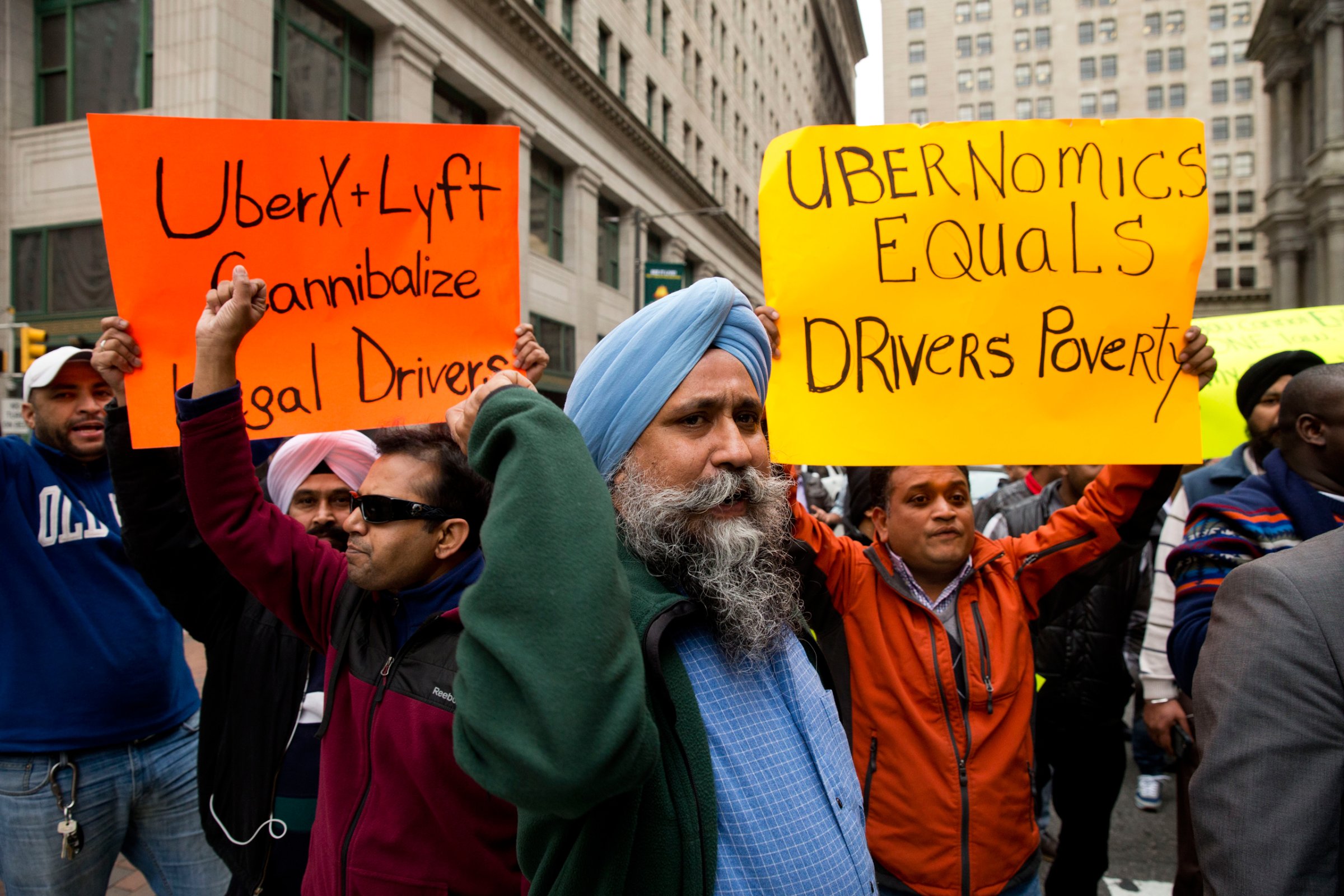
Yet, this reinvention is a double-edged sword. The promise of autonomy is tempered by precariousness, as drivers grapple with algorithmic management and income volatility. The invisible hand of the market becomes coded into software, an omnipresent arbiter that recalibrates wages and opportunities with minimal human intervention. In essence, Uber’s capitalism is a digital marketplace orchestrated through data streams rather than the pulsations of boardrooms and labor unions.
The Technological Alchemy Behind the Curtain
At the heart of ride-sharing’s ascendancy lies a technological alchemy—a sophisticated interplay of mobile technology, geospatial intelligence, and real-time analytics. Algorithms serve as the unseen conductors of this logistical orchestra, optimizing routes, matching supply with demand, and dynamically pricing rides in response to fluctuating conditions. This delicate balance ensures efficiency at scales previously unattainable.
This technological scaffolding is not merely functional; it is strategic. Surge pricing, often contentious, exemplifies the fluidity of a market responsive to immediate needs rather than rigid tariffs. It incentivizes availability during peak demand, aligning individual incentives with collective utility. Such mechanisms underscore the unique appeal of ride-sharing: an adaptive system where outcomes emerge from the interaction of countless micro-decisions facilitated by cutting-edge technology.
Social and Economic Implications: A Tapestry of Contradictions
The rise of ride-sharing weaves a tapestry rich with socio-economic complexities. On one hand, it alleviates urban congestion, reduces the need for private vehicle ownership, and broadens employment opportunities. It reclaims dormant car seats and unused time, converting overlooked resources into vibrant components of an economic engine. The sharing economy thus promises a form of capitalism ingrained with sustainability and distributed value creation.
However, the narrative is fraught with contradictions. Cities wrestle with regulatory challenges as ride-sharing blurs the boundaries between private enterprise and public service. Incumbent stakeholders, such as taxi unions and municipal authorities, confront upheaval, stirring debates about labor rights, competition, and consumer protection. Moreover, the ephemeral workforce faces issues of fair compensation and social security, provoking discourse on the future of work in this algorithm-driven era.
The Cultural Resonance and Behavioral Shift
Beyond economics and technology, ride-sharing resonates culturally, engendering a behavioral shift in urban mobility paradigms. It cultivates an ethos where convenience eclipses ownership, reflecting broader generational changes in consumption and possession. The car, once a powerful symbol of independence and status, becomes a shared utility—part of an infrastructure of transient access rather than permanent attachment.
This cultural transition is emblematic of a society in flux, embracing fluidity and connectivity. It nurtures new social interactions and urban experiences, as passengers become participants in a communal journey rather than isolated drivers on solitary paths. The ride-sharing experience, with its ratings, feedback loops, and digital interfaces, humanizes the transactional, weaving personal narratives into the fabric of mobility.
Future Trajectories: From Ride-Sharing to Autonomous Ecosystems
Looking forward, the trajectory of ride-sharing points toward autonomous ecosystems where self-driving technology, electric vehicles, and integrated urban planning converge. The metaphorical gears of this evolution promise a ride smoother and more efficient, yet fraught with complex regulatory and ethical quandaries. As AI assumes a greater role, questions about accountability, privacy, and societal impact loom large.
The vision is a seamless intermodal system, where ride-sharing amalgamates with public transit and emerging micro-mobility options, orchestrated through intelligent platforms that anticipate demand and optimize flow. In this future, Uber’s initial spark ignites a broader revolution—one where capitalism’s contours are redefined by the fusion of human ingenuity and machine precision.
Ultimately, the rise of ride-sharing is a narrative about transformation—of economies, technologies, and cultures. It reflects capitalism’s persistent capacity to reshape itself in response to the rhythms of innovation and human need. Like a compass in the swirling currents of modern commerce, Uber’s model guides us toward an uncharted horizon, compelling us to rethink what it means to move, to work, and to connect in the 21st century.

